The Future Trends of EV Chargers in Australia: Powering the Next Generation
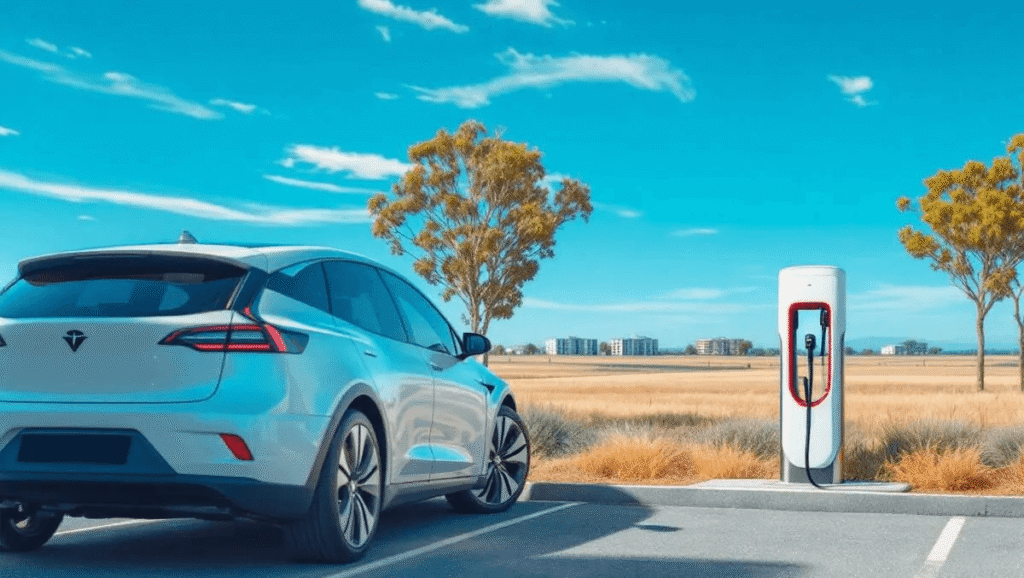
Why EV Charging Matters Now More Than Ever in Australia? Australia is shifting gears toward a clean-energy future, and at the heart of this transition lies the rapid evolution of EV charging infrastructure. In 2025, The Future Trends of EV Chargers in Australia are not just about technology, they’re about shaping a sustainable economy, reducing carbon emissions, and building smarter cities. As more Australians ditch petrol vehicles for electric mobility, EV chargers are becoming as essential as traditional fuel stations. With improved affordability, faster charging speeds, and government-led innovation, the EV charging sector is entering a transformational era. Australia’s EV Market Growth in 2025 Australia’s Electric Vehicle (EV) market is entering a phase of rapid acceleration in 2025, driven significantly by the introduction of the new Vehicle Efficiency Standard (NVES), which compels manufacturers to increase their supply of low-emission models. This policy shift, combined with federal incentives like the Fringe Benefits Tax (FBT) exemption, is fueling growth that is forecast by some to see EV sales account for over 10% of all new car sales. Furthermore, a growing range of more affordable models and the progressive expansion of the national fast-charging network are crucial factors in easing consumer range anxiety and making electric ownership increasingly accessible across Australian states. Electric vehicle uptake in Australia is skyrocketing. By 2025: EVs represent over 18–22% of new vehicle sales. Major cities like Sydney, Melbourne, and Brisbane are rolling out city-wide charging policies. Fleet electrification has become a priority for corporates and government agencies. This rapid adoption has created massive demand for advanced EV charger networks, from home chargers to ultra-rapid DC charging hubs. Australian Government Policies Driving EV Charger Adoption The Australian government is employing a multi-faceted approach to accelerate EV charger adoption, primarily through targeted grants and strategic national consistency. The Driving the Nation Fund supports programs like the DRIVEN Charger Rebate Stream, which financially assists automotive dealerships and repairers in installing chargers, boosting public visibility and industry readiness. Furthermore, the National Electric Vehicle Strategy is focused on establishing minimum operating standards for public charging infrastructure, ensuring drivers experience reliable and interoperable charging across the country. This federal push, coupled with state-level co-funding schemes for businesses and public sites, is rapidly building out the charging network necessary to support increasing EV sales. Australian federal and state governments are aggressively supporting EV infrastructure growth. National EV Strategy Australia’s National EV Strategy includes: Funding public charging networks through ARENA. Mandating EV-ready building codes. Providing incentives for EV charger installation. State-Level Incentives Different states offer unique benefits: Victoria: $3,000 EV rebate + charging infrastructure grants NSW: Stamp duty waivers + 500+ new fast chargers Queensland: Electric Super Highway expansion WA: $22.6M charging network rollout Government support ensures businesses, homeowners, and fleet operators have every reason to switch to EV charging solutions. Types of EV Chargers Dominating the Market The EV charger market is primarily dominated by two core types: Level 2 AC chargers and DC Fast Chargers (Level 3). Level 2 AC chargers are the reliable workhorse, dominating residential, workplace, and destination charging due to their lower installation cost and suitability for extended parking periods. Conversely, DC Fast Chargers, which bypass the vehicle’s onboard converter to deliver power rapidly, are crucial for public charging along highways and in high-turnover commercial areas, rapidly adding significant range in minutes. Globally, the widespread adoption of Type 2 and CCS (Combined Charging System) connectors is standardizing infrastructure, although the high-speed deployment of DCFC is the key trend supporting long-distance EV travel. As infrastructure expands, several charger types are gaining traction: AC Chargers Popular for homes and workplaces Slow to moderate charging speed Affordable and energy-efficient DC Fast Chargers Ideal for highways and public stations Can charge EVs up to 80% in 20–40 minutes Essential for long-distance travel Ultra-Rapid Charging Technology 150kW to 350kW chargers Delivers 7–10x faster charging compared to AC units Supports high-performance EVs like Tesla, BYD, Kia EV6 These technologies will shape Australia’s EV charging ecosystem in 2025 and beyond. Smart EV Charging Systems: The Future Is Intelligent Smart charging is revolutionizing how Australians power their EVs. IoT Integration IoT-connected chargers allow: Remote monitoring Predictive maintenance Usage analytics and performance tracking Smart Billing & Load Management Dynamic pricing Efficient energy distribution Prevents grid overload These features make charging more convenient and cost-effective. Trends Shaping the Future of EV Chargers in Australia The future of EV charging in Australia is being defined by a transition to smart, grid-integrated solutions. This involves the widespread adoption of Vehicle-to-Grid (V2G) technology, which allows EVs to function as mobile batteries that can feed surplus energy, often harvested from Australia’s abundant rooftop solar, back into the grid during peak demand. Furthermore, smart charging platforms are becoming standard, enabling dynamic load balancing and optimising charging times to off-peak periods, thereby supporting grid stability and reducing consumer electricity costs. Finally, the rapid deployment of ultra-fast public charging stations and innovative solutions for apartment and regional areas are key trends aimed at eliminating range anxiety and ensuring equitable access across the country. Here’s where the future gets exciting. Bidirectional Charging (V2G & V2H) Bidirectional chargers allow EVs to: Power homes (V2H) Support the grid during peak hours (V2G) This turns EVs into mobile power banks. Wireless Charging for EVs No cables required Perfect for public parking, shopping centers, and fleets Currently in pilot stages across NSW and Victoria Solar-Powered Public Charging Stations Combining solar with battery storage makes Australia’s charging infrastructure: Eco-friendly Grid-independent Highly efficient Battery Swapping Infrastructure Although early, battery swapping offers: 2-minute battery replacement Lower EV upfront costs India and China are pioneering this trend, and Australia is slowly following. The Role of Renewable Energy in EV Charging Solar + EV Integration Australia’s strong solar adoption makes home EV charging affordable. Benefits include: Lower electricity bills Zero-emission driving Daytime charging maximizes solar generation Grid Stability & Microgrids Microgrids support remote areas by: Balancing load Reducing blackout risks Supporting rapid charger deployment Growth of Public Charging Networks in Australia Australia’s public charging
Benefits of a 10.5kW Solar System in Brisbane: Cost, Savings & Performance
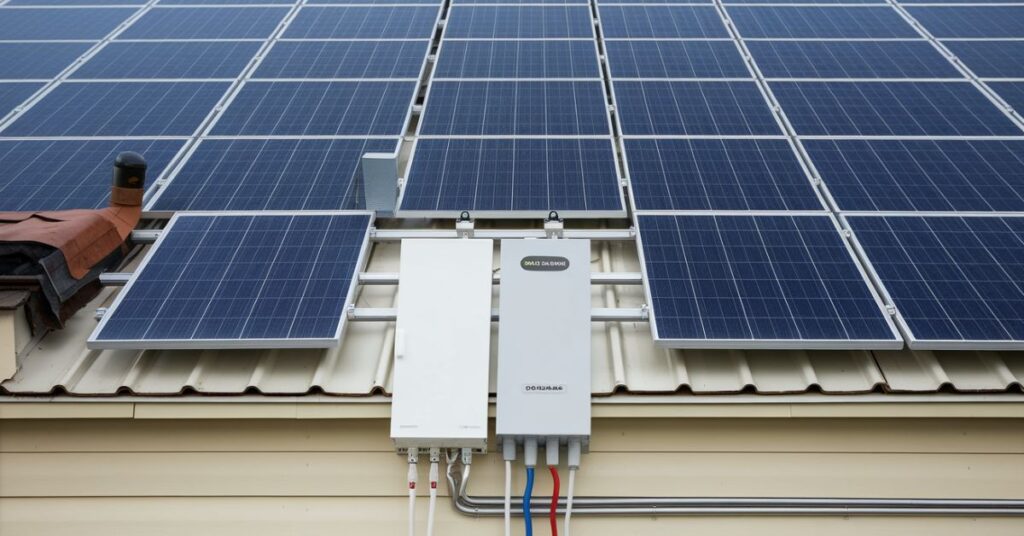
Brisbane is one of Australia’s brightest and fastest-growing solar regions, making it an idyllic location for homeowners and small businesses to invest in solar energy. Among the numerous system sizes obtainable, a 10.5kW solar system has become gradually prevalent due to its balance of high power output, outstanding return on investment, and suitability for medium-to-large households. In this blog, we discover the top advantages of selecting a 10.5kW solar system in Brisbane, helping you decide whether it’s the correct investment for your property. Advantages of a 10.5kW Solar System Perfectly Suited to Brisbane’s High Sunshine Levels Brisbane relishes over 280 sunny days per year, making it one of the best locations in Australia for solar installation. A 10.5kW solar system benefits hugely from this sunshine, generating reliable and high energy output throughout the year. Higher solar yield Greater cost savings Faster return on investment Even during winter, Brisbane’s climate safeguards dependable production. Ideal for Medium-to-Large Households & Home Offices Solar energy systems are remarkably appropriate for medium-to-large households and home offices due to their advanced energy demands. These bigger consumers benefit meaningfully from the substantial electricity generation capacity of modern photovoltaic (PV) installations, which can offset significant portions of their utility bills. Furthermore, the expected daily energy consumption patterns of home offices, which often topmost during daylight hours, align flawlessly with the sun’s peak production, maximizing the return on investment. Installing a solar system is a financially and ecologically sound choice for these property types, providing both long-term savings and energy independence. A 10.5kW solar system naturally produces around 40–45 kWh of energy per day, depending on conditions. This makes it appropriate for: Families with high electricity usage Homes with multiple air conditioners Households using electric hot water systems Properties running home offices Small businesses operating from home If your consumption habits are moderate to heavy, this system size provides a prodigious balance of production and affordability. Significant Reduction in Electricity Bills With electricity prices increasing in Queensland, homeowners are turning to solar to cut down on monthly expenses. A 10.5kW solar system can decrease your electricity bill by: 60% to 90% for most homes Even greater savings with a solar battery Extra credit via feed-in tariffs By exporting excess energy back to the grid, you can earn rebates that additional lower your electricity costs. Excellent Long-Term Financial Returns A properly installed 10.5kW system can bring a robust return on investment (ROI), often within 3 to 5 years, depending on usage and tariff rates. Financial benefits include: Lower upfront cost compared to larger systems Long lifespan (25+ years for panels) Minimal annual maintenance High daily energy yield When used proficiently, this system can save homeowners thousands of dollars every year, making it one of the most lucrative investments in the solar market. Compatibility With Solar Batteries Brisbane’s growing demand for energy independence has made battery-ready systems more popular. A 10.5kW solar system pairs well with widespread batteries like: Tesla Powerwall Sungrow LG Chem BYD Alpha ESS With a battery installed, you can: Reduce grid reliance Avoid peak electricity prices Protect your home from blackouts Increase overall savings This future-proofs your home energy system as Brisbane moves toward a more sustainable energy infrastructure. Maximises the Advantages of Queensland Government Incentives Although Queensland currently does not offer state-level rebates for solar, homeowners benefit from federal STC incentives, which meaningfully lower the upfront installation cost. A 10.5kW system allows you to claim more STCs, reducing the total investment required. Furthermore, Queensland’s feed-in tariff programs provide ongoing financial benefits for surplus energy production. Increases Property Value Solar energy systems significantly increase a home’s property value, making it a valuable long-term asset. Multiple studies have shown that homes prepared with owned solar panels sell for a finest associated with parallel non-solar homes, often recovering and even prodigious the initial installation cost. This upsurge is chiefly due to the potential of lower future electricity bills, a vastly required feature for prospective buyers, efficiently making the home more attractive on the real estate market. Therefore, investing in solar power is not just an energy prime, but a tactical financial enhancement to the property itself. A 10.5kW solar system is a prodigious value-add for Brisbane homes. Buyers prefer properties with: Lower running costs Reliable solar systems Modern energy-efficient upgrades Studies show that homes with solar can sell more quickly and at a higher price compared to those without. Eco-Friendly and Sustainable Energy Choice Solar power, primarily through photovoltaic (PV) panels, generates electricity with zero greenhouse gas releases during operation, straight combating climate change and air pollution caused by fossil fuels. As the sun is a practically inexhaustible and renewable resource, its utilization safeguards a long-term, secure energy supply that severely reduces our reliance on finite, non-renewable sources. This shift towards solar power promotes worldwide energy independence and leads the way toward a cleaner, more resilient energy future. Choosing solar decreases your carbon footprint by lowering dependence on fossil fuels. A 10.5kW solar system can offset tons of CO₂ each year, contributing to a cleaner and greener Brisbane. Environmental benefits: Decreases greenhouse gas emissions Promotes cleaner energy Supports Australia’s renewable energy targets For eco-conscious homeowners, this is an expressive long-term environmental investment. Allows for EV Charging at Home Electric vehicle ownership in Queensland is growing rapidly. A 10.5kW solar system provides enough power for daily EV charging without causing a spike in your grid usage. Benefits include: Free or low-cost charging Reduced transport expenses Sustainable driving powered by solar If you’re planning for an electric vehicle in the future, this system size is ideal. Future-Proof Solution for Growing Energy Needs With the rise of electric appliances, home automation, and EVs, energy demand is increasing every year. A 10.5kW system ensures you’re prepared for these growing requirements. Supports new appliances Reduces long-term power dependence Enhances energy resilience This makes it a smart long-term upgrade for modern Brisbane households. In Conclusion : A 10.5kW solar system in Brisbane offers an influential mix of high performance, outstanding savings, and long-term sustainability.
How Effective Are Solar Inverters in Australia? A Complete Guide

As solar energy endures to govern Australia’s renewable landscape, one component gently plays the chief role in making your solar system really convenient, the solar inverter. It is often called “the heart of the solar system” because it converts the raw DC electricity produced by solar panels into usable AC power for homes and businesses. But how effective are solar inverters in Australia? With the country’s exclusive climate conditions, rising solar adoption, and increasing technological innovations, their efficiency becomes an imperative consideration for any homeowner or business planning to shift to solar. This comprehensive guide explores solar inverter performance in Australia, factors influencing their effectiveness, the best types obtainable, efficiencies, benefits, challenges, and real-world tips to maximise their lifespan. Are Solar Inverters Effective in Australia? Why Solar Inverters Matter in Australia? Australia has one of the peak solar installation rates in the world, with millions of households relying on rooftop systems. While solar panels often get the spotlight, inverters are doing the heavy lifting. The solar inverter is the important “brain” of any Australian solar system, converting the direct current (DC) electricity produced by solar panels into alternating current (AC) power, which is the serviceable electricity for homes and the grid. In the rapidly growing Australian solar market, a quality inverter is crucial for maximizing energy effectiveness and ensuring the whole system operates safely under the country’s strict grid compliance standards. Furthermore, with the rise of home batteries, modern hybrid inverters are becoming key for energy independence, permitting homeowners to store excess solar power and use it during peak-price evening hours or during a blackout. Key reasons solar inverters are crucial in Australia: They convert DC to AC, making solar energy usable. They maximise system efficiency by tracking panel output. They protect your solar system by monitoring voltage, current, and grid conditions. They enable smart energy management through monitoring apps. They improve safety, expressly with modern shutdown features. Given the country’s hot summers, varying radiation levels, and strict electrical standards, solar inverters must achieve consistently and efficiently. How Effective Are Solar Inverters in Australia? Modern solar inverters available in Australia are highly effective, boasting peak conversion efficiencies of 97% to over 99% in converting DC solar power into usable AC electricity. Their real-world effectiveness is improved by compliance with strict Australian Standards, like AS/NZS 4777.2, which safeguards safe and stable operation with the national grid, specifically under Australia’s harsh, high-temperature conditions. Furthermore, advanced types, such as micro-inverters and optimisers, meaningfully improve output by mitigating power loss from partial shading, making solar systems actually even on complex or obstructed roof layouts usually found across the country. High Conversion Efficiency Most modern inverters used in Australia offer efficiencies between 95% and 98.5%, which means minimal energy loss during conversion. Top brands like Fronius, SMA, GoodWe, and SolarEdge often reach peak efficiencies above 98%. Optimised for the Australian Climate Australian conditions, high UV, dust, salt spray in coastal zones, and extreme summer heat, are demanding. Trustworthy inverters sold in Australia are tested to endure: High ambient temperature Humidity Dust and dirt Coastal corrosion Many models include features like active cooling, heat-resistant components, and IP-rated enclosures. Compliance with Australian Standards All approved inverters must comply with standards such as: AS 4777 – Grid connection of energy systems CEC (Clean Energy Council) accreditation This ensures homeowners get inverters that execute securely and efficiently. Smart Energy Monitoring Australian consumers demand better control over their energy usage. Modern inverters include: Real-time production tracking Consumption monitoring Fault detection and alerts Mobile app integration This increases system effectiveness by helping users adjust load usage or detect issues early. Types of Solar Inverters and Their Effectiveness in Australia 1. String Inverters These are the most common and cost-effective. Effectiveness: Reliable and efficient (95–98%) Best for homes with minimal shading Lower cost and easier servicing Limit: If one panel is shaded, entire string performance drops 2. Microinverters Installed directly under each panel. Effectiveness: Excellent in shading conditions Increases overall energy yield Provides panel-level monitoring Higher cost Good performance in complex roof layouts 3. Hybrid Inverters These allow connection to solar batteries. Effectiveness: Ideal for future-proofing Manage solar, battery, and grid seamlessly Useful for regions with high electricity costs Slightly more expensive 4. Off-Grid Inverters Used in remote areas. Effectiveness: Provide complete energy independence Reliable and robust Require proper sizing and maintenance Factors Affecting Solar Inverter Effectiveness in Australia Even the best inverter performance depends on several conditions: Temperature High heat can reduce efficiency. In areas like the Northern Territory or rural Queensland, inverters benefit from: Shaded installation spots Good ventilation Active cooling systems System Design Incorrect sizing or poor installation reduces effectiveness. Shading Panels affected by shade influence inverter efficiency, especially with string inverters. Maintenance Inverters have an average lifespan of 10–15 years, shorter than panels. Regular checks improve reliability. Grid Conditions Voltage rise issues in some Australian suburbs can affect the inverter output. Benefits of Highly Effective Solar Inverters in Australia Vastly effective solar inverters are dominant in the Australian market, straight translating to maximum financial return and system reliability. Their chief benefit is meaningfully higher energy yield: inverters with 98%+ efficiency ensure minimal power loss during the conversion from DC to AC, resulting in more usable electricity and lower power bills. Secondly, many high-end inverters offer advanced energy management features, including real-time performance monitoring via apps and unified integration with hybrid battery storage. This permits Australian homeowners to maximise self-consumption by storing midday excess power for evening use, meaningly increasing energy independence and providing critical backup power during grid outages. ✔ Maximum Power Production High-efficiency inverters ensure more usable electricity, boosting savings. ✔ Lower Power Loss Less conversion loss = more energy = better return on investment. ✔ Better Performance in Hot Conditions Australian-approved inverters are designed to handle heat stress. ✔ Improved Monitoring Homeowners get full control over their system’s health and energy production. ✔ Battery Compatibility Hybrid inverters support future battery upgrades, enhancing long-term value. Challenges Solar Inverters Face in the Australian Environment Solar inverters
Why Are EV Chargers the Future of Australia?
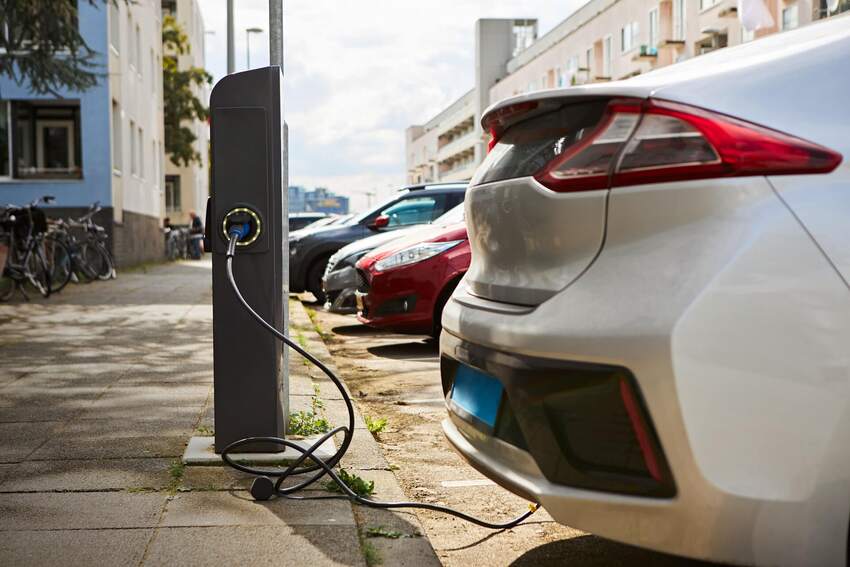
Australia is undergoing a significant shift in the transportation and energy landscape, and electric vehicles (EVs) are at the centre of this transformation. With growing fuel prices, growing climate awareness, and government initiatives supporting sustainable mobility, EV adoption is accelerating faster than ever. Naturally, this growth brings one essential question to the spotlight: Are EV chargers the future of Australia? The answer is a clear yes, EV charging infrastructure is set to become one of the most vital pillars supporting Australia’s modern energy ecosystem. Below, we discover the key reasons why EV chargers are not just significant but inevitable for Australia’s future. EV Chargers the Future of Australia Rapid Adoption of Electric Vehicles Nationwide Australians are accepting EVs at record speed. As more consumers shift from petrol and diesel cars to electric alternatives, the demand for consistent charging points endures to skyrocket. The modern Australian buyer prioritises: Lower running costs Environmental responsibility Energy independence Long-term savings As EV sales rise, a robust and prevalent EV charging network will be vital to support this upward trend. Government Policies Driving Clean Transportation Federal and state governments are deeply pushing clean energy mobility. Key initiatives include: Subsidies and rebates on EV purchases Zero-emission vehicle (ZEV) mandates Grants for EV charging station installations Investment in public infrastructure and smart charging technology These initiatives clearly show that Australia is preparing for a future where EVs rule the roads and chargers will form the pillar of this transformation. Lower Operating Costs and More Affordable Energy One of the sturdiest reasons EV chargers are the future is modest economics. Charging an EV costs meaningfully less than fuelling with petrol or diesel. For homeowners and businesses, particularly those using solar, the aids are even superior: Charge your EV at home using solar energy Save thousands annually on fuel Reduce dependency on fluctuating fuel prices Cheaper operational costs make EV ownership far more attractive, pushing the necessity for convenient charging options everywhere from homes to highways. Solar + EV Chargers: A Perfect Australian Combination Australia is one of the brightest countries in the world. Obviously, combining rooftop solar with EV chargers is a game-changer. Homeowners and businesses can: Power EVs with clean, free solar energy Cut grid electricity consumption Reduce carbon footprint Achieve true energy independence With over 3 million Australian households already using solar, integrating EV chargers is becoming a usual next step. EV Chargers are Boosting Business Growth Businesses across Australia are installing EV chargers because they appreciate the commercial opportunity. Charging stations are: A powerful tool for customer attraction A source of additional revenue through paid charging A modern upgrade that enhances brand image A necessity for commercial fleets transitioning to EVs From shopping centres to hotels, offices, parking stations, and petrol stations, EV charging is providing a standard convenience, much like Wi-Fi. Creating a Smarter, Greener Energy Grid EV chargers are not just plugs for cars; they’re clever energy devices. Modern chargers can: Optimise charging during off-peak hours Support load balancing Integrate with home batteries and solar systems Help stabilise the electricity grid As Australia moves toward a renewable-powered future, EV chargers will show a central role in building a clever and flexible energy ecosystem. Environmental Benefits Supporting National Climate Goals Australia is devoted to achieving net-zero emissions, and EVs are key to meeting these targets. EV chargers donate to this mission by enabling: Reduced greenhouse gas emissions Lower air pollution in cities A shift toward clean and renewable energy sources More chargers mean more EVs and more EVs mean a cleaner, healthier Australia. The Future is Electric, and Charging Infrastructure Is the Foundation Whether it’s homes, businesses, or public locations, EV chargers are pretty a necessity. As technology evolves, we will see: Ultra-fast chargers across highways Wireless charging technologies AI-powered charging optimisation Integration with smart homes and smart cities Australia is making for an entirely electric transport network, and EV chargers are the foundation of that future. Conclusion EV chargers are not just an accessory for electric vehicles; they are the engine driving Australia’s transition to cleaner, cheaper, and more well-organized transportation. With government support, booming EV sales, solar integration, and chief investments in infrastructure, EV charging is set to develop as one of the defining technologies of Australia’s future. As the nation moves toward sustainability and energy independence, EV chargers will endure to shape how we live, work, travel, and influence our daily lives. The shift is already happening, and the future is unquestionably electric. FAQs on EV Chargers and Their Future in Australia Why are EV chargers important for Australia’s future? EV chargers are essential for supporting the growing number of electric vehicles in Australia. They help reduce dependence on fossil fuels, support clean energy goals, and ensure convenient charging access for EV owners. Are EV chargers becoming more common in Australia? Yes. Both government and private sectors are rapidly installing EV chargers across highways, cities, workplaces, and public locations. Home charging solutions are also becoming popular as EV adoption increases. How many EV chargers does Australia need? Experts estimate that Australia will need tens of thousands of public chargers in the next decade to meet rising EV demand. This includes fast chargers on highways and slow chargers in residential and commercial areas. Can EV chargers be powered by solar energy? Absolutely. Many Australian households use rooftop solar to power home EV chargers. This helps reduce charging costs and contributes to greener, more sustainable transportation. Can businesses benefit from installing EV chargers? Definitely. Businesses can attract customers, increase foot traffic, earn revenue from charging, and enhance their brand by offering modern, environmentally friendly facilities. Are EV chargers necessary for rural Australia? Yes. Rural regions are crucial for long-distance travel. Installing regional chargers improves mobility, supports tourism, and ensures EV owners can travel freely without range anxiety. Will EV charging become faster in the future? Yes. Technology is rapidly advancing. Ultra-fast chargers, wireless charging pads, and AI-based energy management systems are emerging, making future charging even quicker and more convenient. Are
Understanding Solar Feed-In Tariff in Australia

A Solar Feed-In Tariff is a credit you receive from your electricity retailer for any excess electricity your rooftop solar panels generate and send back to the main grid. These tariffs are designed to encourage the uptake of renewable energy, offering a payment (usually in cents per kilowatt-hour or c/kWh) that appears as a credit on your electricity bill. FiT rates in Australia are not uniform; they vary significantly across different states/territories, between electricity retailers, and can be structured as either a flat rate or a time-varying rate (higher during peak demand). While initial premium tariffs were very generous, current standard rates are generally lower, making the self-consumption of solar energy (using it yourself rather than exporting) the most financially beneficial strategy for new solar owners. Many Australians are beginning to question whether solar is still a smart investment now that several solar bonus schemes and installation discounts are winding down. The short answer? Yes, solar energy continues to be an excellent way for households to cut their electricity bills, as long as you know how to find a good deal. Today, most electricity retailers offer competitive feed-in tariffs as part of their standard plans. Some even provide specialised options designed specifically for solar owners. While solar plans work much like regular electricity plans, there’s one key difference: you still pay for the electricity you use, but you also earn money back through feed-in tariffs for the excess energy your system exports. Below, Goal Solar breaks down the feed-in rates from Australia’s leading solar providers, highlighting where households can unlock the best value. Understanding Solar Feed-In Tariff And Solar Suppliers Australia A feed-in tariff (FiT) is a small credit homeowners receive for any excess electricity their solar system sends back to the grid. If you don’t have a solar battery, any solar energy you don’t use instantly is automatically exported to the shared electricity network, where it’s used by other households and businesses. Most residential solar systems earn a feed-in tariff ranging from around 7 to 16 cents per kWh for the energy they export. Instead of receiving this as cash, the credit is simply deducted from your electricity bill, helping reduce your overall energy costs. Is There A Premium Solar Feed Available In the Tariff? You may have heard that some feed-in tariffs can go as high as 60 cents per kWh. Sounds incredible, right? Unfortunately, these premium rates are only available to homeowners who installed and registered their solar systems many years ago, generally before 2011, depending on the state. In simple terms, if you haven’t had solar for a long time or you’re planning to install a system now, you won’t qualify for these older premium tariffs. And realistically, there are no signs that similar high-value solar bonus schemes will return anytime soon. However, homeowners in South Australia and Queensland who joined their state’s incentive programs before they closed will continue receiving premium feed-in rates until 2028. Meanwhile, customers under Victoria’s bonus scheme will keep their premium FiT benefits through 2024. Gross vs. Net Feed-In Tariffs A gross feed-in tariff means your electricity retailer pays you for every unit of solar energy your system sends to the grid, while you are still billed separately for all the electricity you use. Because most states now prefer net feed-in tariffs—also called export metering—gross tariff schemes are slowly disappearing from the market. Today, South Australia, Queensland, Victoria, Tasmania, New South Wales, and the Australian Capital Territory all use net feed-in tariffs. Under this model, you only earn credit for the excess solar power your system produces after your home or business has used what it needs. If your solar system doesn’t generate enough energy at any point, you’ll still purchase the extra electricity from the grid as usual. Important: Energy Matters recommends choosing an electricity retailer that is solar-friendly. The right retailer ensures you won’t be disadvantaged elsewhere on your bill once your solar system is installed. Some providers may even offer bonus incentives on top of any legislated feed-in tariff rates where applicable. Know More About Feed-in Tariff in Australia While a high feed-in tariff may sound attractive, it doesn’t always guarantee the best overall deal. When comparing electricity plans, it’s essential to review the Energy Price Fact Sheets to understand the full picture. Be mindful of costs linked to solar metering, as some retailers charge solar customers additional daily supply fees. In many cases, plans offering higher feed-in tariffs may also come with increased electricity usage or supply charges, so it’s important to weigh whether the higher FiT truly offsets these extra costs. If you have a larger solar system, around 5kW or more, you may still benefit from a high feed-in tariff, even if it comes with slightly higher usage rates. High FiTs can also be advantageous for households that export most of their solar energy to the grid, such as families who are away from home during the day. On the other hand, if you have a smaller solar system or a battery storage setup, you’re less likely to export significant excess energy. In such cases, choosing a plan with lower electricity rates may be more beneficial than prioritising the feed-in tariff. The same applies to households that use most of their daytime solar production while at home. Demand for Feed-in Tariffs in Australia The demand for feed-in tariffs in Australia continues to grow as more households invest in solar systems and look for ways to maximise their energy savings. With rising electricity prices, homeowners are increasingly interested in retailers that offer competitive rates for exporting excess solar power back to the grid. Many Australians now compare feed-in tariffs just as carefully as they compare electricity usage rates, making it a key factor when choosing an energy provider. Overall, the push for better feed-in tariffs reflects a broader shift toward smarter, more cost-effective energy management across the country. Is Income from a Feed-In Tariff Taxable? Currently, there is no specific tax
How a 10.5kW Solar System Can Maximise Your Savings in Brisbane

Brisbane’s sunny climate and rising electricity prices have made solar power one of the cleverest investments for homeowners and businesses. Among the several system sizes available, a 10.5kW solar system stands out for its ability to bring high energy output, strong savings, and long-term reliability, particularly for households with increasing energy demands. Whether you’re a big family, running appliances during the day, or looking to future-proof your home with EV charging and battery storage, a 10.5kW system offers outstanding value and performance. This blog discusses the key advantages of picking a 10.5kW solar system in Brisbane. Top Benefits of 10.5kw Solar System in Brisbane Perfectly Suited to Brisbane’s Sunny Climate Brisbane adores more than 280 sunny days per year, making it one of Australia’s best provinces for solar energy generation. A classy 10.5kW system can yield between 38–46 kWh of electricity per day, depending on panel quality, alignment, and seasonal changes. This steady solar output makes it easier for homeowners to counterpoise big energy loads and attain superior energy independence. Significant Savings on Electricity Bills With electricity prices enduring to rise, a 10.5kW solar system delivers considerable financial relief. Reliant on usage patterns and whether a battery is paired with the system, homeowners can save $2,000 to $4,000 per year on electricity bills. If you consume most of your electricity during the day or shift usage to solar hours, the savings become even more notable. Over 20–25 years, the system can effortlessly pay for itself and bring outstanding ROI. Ideal for Larger Homes & High Energy Consumption A 10.5kW system is flawless for: Larger families Homes with air conditioners running frequently Properties with pools Households using electric hot water systems EV owners or those planning future EV charging Small home-based businesses If your monthly energy bill is steadily high, a 10.5kW system delivers sufficient generation capacity to vividly reduce grid dependence. Supports Battery Storage for Maximum Independence Brisbane homeowners are progressively pairing solar systems with batteries like the Tesla Powerwall, Sungrow, or LG RESU. A 10.5kW setup harvests an adequate surplus of daytime energy that can simply fill a battery. This permits you to: Use stored power at night Protect your home during blackouts Reduce peak-hour electricity charges Further cut electricity bills, sometimes down to near zero With solar battery prices progressively becoming more reasonable, a 10.5kW system makes for a unified and future-proof solar + storage combination. Future-Proof Your Home for Electric Vehicles EV adoption is quickly cumulative across Queensland. Charging an electric vehicle entails a consistent energy source, and a 10.5kW solar system is more than proficient of powering an EV daily. This permits homeowners to: Charge their EV at home for free (using solar) Reduce dependence on public chargers Lower long-term transportation costs A 10.5kW system safeguards you won’t essential costly upgrades in the future as your energy requirements grow. Attractive Payback Period Most Brisbane homeowners see a payback period of 3–5 years, depending on: Installation quality Energy usage patterns Feed-in tariff rates Battery integration Given the high daily output and comparatively low cost of solar systems today, a 10.5kW system is one of the most monetarily worthwhile solar investments. Increase in Property Value Homes with solar systems, particularly bigger ones like 10.5kW, tend to have: Higher buyer interest Better resale value Faster market sale time Energy-efficient homes are becoming a precedence for buyers, making your property more attractive if you indicate to sell. Environmentally Friendly Choice Installing a 10.5kW solar system decreases your carbon footprint meaningfully. On average, such a system can offset more than 14 tonnes of CO₂ emissions per year. By selecting solar, you contribute to: Cleaner air Reduced reliance on fossil fuels A more sustainable Brisbane It’s an investment that benefits both your household and the planet. Supports Air Conditioning and Everyday Appliances Brisbane summers can be scorching, and running air conditioners for long hours often leads to high electricity bills. A 10.5kW solar system produces sufficient energy to securely power: Multiple air conditioners Refrigerators Washing machines Ovens Dishwashers Smart home systems Pool pumps This makes day-to-day living more reasonable, particularly during the highest summer months. Flexible Roof Configuration A 10.5kW solar system characteristically requires 22–26 panels, depending on wattage. Most Brisbane homes have plenty of roof space to accommodate this size, and solar installers can design split-orientation layouts to maximise generation. Whether your roof faces north, east, or west, a specialised solar panel installer can optimise performance. How a 10.5kW Solar System Can Maximise Your Savings A large 10.5kW solar system is ideal for Australian homes with high daily energy consumption (e.g., those with a pool, multiple air-conditioners, or an electric vehicle) as it can generate a substantial amount of power—typically between 36 kWh to 40 kWh per day in Melbourne. This high output ensures that you can offset nearly all your daily energy needs, drastically reducing or even eliminating your grid electricity bill, which is significantly more expensive than the low feed-in tariff you receive for exporting excess power. By generating excess energy, the system also provides a robust platform for adding a solar battery in the future, allowing you to capture and store power for use during the expensive evening peak and achieving maximum financial independence from the grid. In Conclusion : A 10.5kW solar system in Brisbane is a commanding, future-ready solution for homeowners looking to slash electricity bills, increase energy independence, and make a long-term investment in sustainability. Thanks to Brisbane’s plentiful sunshine, a high-capacity solar system like this offers outstanding energy output, strong financial returns, and the flexibility to support modern lifestyles, whether it’s powering big households, air conditioning, or electric vehicles. If you wish for a solar system that brings supreme performance, lower bills, and long-term consistency, a 10.5kW solar system setup is one of the cleverest selections you can make in Brisbane today. FAQs: Advantages of a 10.5kW Solar System in Brisbane How much energy does a 10.5kW solar system produce in Brisbane? In Brisbane’s sunny climate, a 10.5kW solar system can produce around 38–46 kWh
How Climate Change Affects Solar Power Efficiency in Australia

Climate change primarily affects Australian solar power efficiency through rising temperatures, which cause a thermal derating effect. This means for every degree a panel’s temperature exceeds 25 °C, its efficiency drops. Additionally, the increased frequency of extreme weather events like severe heatwaves, dust storms, and prolonged bushfire smoke can reduce solar irradiance, block the panels, and accelerate physical degradation, ultimately lowering the system’s long-term output and reliability. Australia is one of the sunniest continents, has incorporated solar power as a cornerstone of its energy transition. With more than three million rooftop systems and numerous utility-scale solar farms, the nation is a worldwide leader in solar uptake. However, as the very climate it seeks to mitigate endures to change, new challenges arise for preserving peak solar efficiency. It’s a paradox: the solution to climate change is itself being squeezed by the problem. Climate Change Affects Solar Power Efficiency in Australia The Heat is On: Temperature and Efficiency It’s a mutual misconception that solar panels love extreme heat. While they require essential sunlight (irradiance) to produce electricity, the cells themselves operate best in cooler temperatures, naturally around 25 °C. As climate change energies more recurrent and stronger heatwaves across Australia, solar panel surface temperatures can soar far above this optimal point, often reaching 70 °C or more on a hot day. The Thermal Derating Effect The primary influence of this heat is recognised as the thermal derating effect. For every degree a panel’s temperature rises above its optimum, its competence subtly declines. Efficiency Loss: Most crystalline silicon panels lose between 0.3% and 0.5% of their output efficiency for every 1 °C increase above 25 °C. Reduced Lifespan: Lengthy exposure to risky heat can also quicken the degradation of the photovoltaic (PV) materials and components over time, possibly shortening the system’s overall lifespan and increasing maintenance costs. In Australia’s particularly hot regions, this means that panels often produce less power than expected right when demand for air conditioning is at its peak. Extreme Weather and Physical Damage Climate change isn’t just about heat; it’s also about the escalation of extreme weather events that pose a straight physical threat to solar infrastructure. Bushfires and Smoke: Australia’s shocking bushfire seasons are becoming longer and more severe. While panels are usually resilient to the fire itself, the resulting smoke and ash can harshly reduce output. Studies have shown system output in smoke-hazed cities can drop by 15% to 45% due to the atmospheric particles scattering and blocking sunlight. Cyclones and Severe Storms: Augmented occurrence and intensity of cyclones, hailstorms, and high winds threaten the structural integrity of both rooftop and utility-scale installations, demanding costly repairs and system downtime. Hail, in particular, is a leading cause of insurance claims for solar farms. Dust and Soiling: Increased drought and wind can lead to more recurrent dust storms. Dust and dirt gather on the panel surface, a phenomenon called ‘soiling’—which blocks sunlight and meaningly decreases generation until the panels are cleaned. Variability in Weather Patterns Climate change presents higher hesitation and variability in local weather systems, which affects the obviousness and stability of the solar energy supply. Cloud Cover and Intermittency: While some regions may experience more clear-sky days, others may see increased, sudden, or prolonged cloud cover events. These “solar ramps”, rapid, unpredictable changes in sunlight strength, complicate grid management and forecasting for electricity providers. Regional Differences: The impact is not uniform. Research suggests that while some areas in Eastern Australia may experience slightly increased long-term solar resource availability, other regions, mainly in Western Australia, may face increased intermittence issues and condensed reliability, underscoring the requirement for tailored solutions. Adapting and Innovating for a Resilient Future Contempt these climate-related challenges, solar power remains the most cost-effective path to decarbonising Australia’s energy system. The solution lies in strategic adaptation and technological innovation. Technology and Design Low Temperature Coefficient Panels: Selecting panels designed to preserve a higher output despite high operating temperatures is decisive for installations in hot climates. Enhanced Ventilation: For rooftop systems, safeguarding adequate space between the panels and the roof permits for greater airflow, providing the required passive cooling to mitigate the thermal derating effect. Bifacial Technology: These panels capture light from both sides (direct sunlight and reflected light from the ground), which can help boost overall output and may benefit from diverse mounting structures that endorse airflow. System Integration Battery Storage: Integrating solar battery storage is the most current solution for intermittency. Batteries store surplus solar energy produced during sunny periods for use when output drops due to heat, cloud cover, or at night, providing grid stability and consistent power. Hybrid Systems: Combining solar with other variable renewables like wind power at the same site can aid in smoothing out the energy supply, as wind often peaks when solar is lower (e.g., at night or during cloudy weather). Maintenance and Planning Regular Cleaning: Proactive and steady cleaning, chiefly in dusty or ash-prone areas, is vital to combat soiling and preserve maximum efficiency. Localised Climate Assessments: For large-scale projects, severe, localised risk assessments using climate change models must be shown to select the most resilient components and ideal site locations. The transition to a renewable energy grid is a worldwide necessity, and Australia is on the front lines. By understanding how climate change impacts solar efficiency from the microscopic physics of PV cells to the macroscopic damage of risky weather, the nation can implement smart, resilient strategies. The goal is to safeguard that solar energy not only powers Australia’s future but does so with unwavering reliability, even as the climate around it shifts. Opportunities Amid Climate Change While climate change poses challenges, it also presents opportunities for innovation and adaptation in the solar sector. Manufacturers are developing: Heat-resistant solar panels that perform better under high temperatures. Self-cleaning coatings to combat dust, ash, and debris buildup. Smart solar monitoring systems that detect and adjust to environmental changes automatically. Furthermore, the increased insistence to fight climate change has driven stronger government support for renewable energy, leading
Why a 6.6kW Solar System is an Ideal Choice for the Sunny State in Australia

Australia is one of the sunniest countries on Earth, making it the flawless place to harness solar energy. For homeowners looking to decrease electricity costs and squeeze clean energy, a 6.6kW solar system has emerged as one of the most prevalent and cost-effective decisions, chiefly in the sunny states such as Queensland, Western Australia, South Australia, and New South Wales. But what makes the 6.6kW system the ideal choice for these regions? Let’s discover the key motives why this solar setup strikes the seamless balance between performance, affordability, and long-term savings. 6.6kW Solar System is an Ideal Choice for the Sunny State Perfectly Sized for the Average Australian Home A 6.6kW solar system is the sweet spot for most medium to large households in Australia. It naturally contains around 16 to 18 panels (depending on wattage) and can produce 25–30 kWh of electricity per day under ideal sunlight conditions. For sunny states that relish plentiful daylight throughout the year, this size can securely cover a household’s daily energy requirements, including air conditioning, lighting, and appliance usage, while still exporting surplus energy back to the grid for credits. Another key factor is the balance between cost and return. While larger systems are available, the 6.6kW size often represents the “sweet spot” in terms of upfront investment, government incentives, and payback period. Australian households are eligible for Small-scale Technology Certificates (STCs), which deliver an upfront discount on the cost of your solar system. A 6.6kW system proposes a decent number of STCs, making the preliminary outlay more manageable and ensuring a robust return on investment. It’s a noteworthy upgrade from smaller systems without the larger price tag of commercial-sized installations. Excellent Return on Investment One of the chief reasons the 6.6kW solar system is so prevalent is its high return on investment (ROI). With the present cost of solar panels and government incentives, most systems pay for themselves within 3 to 5 years. Homeowners in sunny regions appreciate an even sooner payback due to the higher solar irradiation levels, which means superior energy generation and savings. Beyond that, households can expect free or very low-cost power for 20+ years. Maximises Government Rebates and Feed-in Tariffs Australia’s federal Small-scale Renewable Energy Scheme (SRES) proposes lavish rebates for qualified solar installations based on system size and location. The 6.6kW system is the most prevalent size that maximises rebate value while enduring within the residential cap for single-phase properties. Furthermore, surplus energy formed during the day can be distributed back to the grid under Feed-in Tariff (FiT) programs, permitting homeowners to earn credits or decrease future bills. Ideal for the Sunny Climate Sunny states such as Queensland and Western Australia adore over 250–300 days of sunshine per year, providing outstanding conditions for solar energy generation. A 6.6kW system performs remarkably well in these conditions, producing reliable electricity even during partial cloud cover. With modern panel technology and inverters, you can expect steady performance year-round, ensuring energy freedom and long-term reliability. Future-Ready and Battery-Compatible As energy storage technology becomes more reasonable, numerous Australian homeowners are adding solar batteries to their systems. A 6.6kW solar setup pairs effortlessly with widespread battery sizes like 10–13kWh, providing sufficient generation to charge the battery during the day and power the home at night. This flexibility permits homeowners to transition to near-total energy independence, dipping dependence on the grid and protecting against rising electricity prices. Cost-Effective Without Overcapitalising While bigger systems (like 10kW or 13kW) can produce more power, they also come with higher upfront costs and may surpass the requirements of most households. The 6.6kW system offers the best balance — large adequate to meet demand but inexpensive enough to deliver speedy payback. It’s also a system size that doesn’t habitually necessitate costly upgrades to the existing electrical infrastructure, keeping installation costs manageable. Increases Property Value and Sustainability Appeal Homes with solar power systems are vastly attractive to eco-conscious buyers. Installing a 6.6kW solar system not only decreases your power bills but also boosts your property’s market value and sustainability credentials. Buyers today are looking for energy-efficient homes, and solar-equipped properties stand out in Australia’s modest housing market. Low Maintenance, Long Lifespan Solar technology is built to last. Modern panels naturally come with 25-year performance warranties, and inverters often last 10–15 years. A 6.6kW system entails negligible maintenance, typically just periodic cleaning and annual inspections to uphold the highest efficiency. In sunny regions, constant performance and low maintenance costs make this system even more pleasing. Conclusion A 6.6kW solar system offers the seamless mixture of affordability, competence, and future-readiness, making it an idyllic choice for Australia’s sunny states. Whether you’re in Queensland, Western Australia, or New South Wales, this system size brings ideal energy generation, rapid ROI, and long-term savings while serving you contribute to a cleaner, greener future. Harness the power of the Australian sun with Goal Solar — invest in a 6.6kW solar system and relish energy independence for decades to come.
How Regular Solar System Maintenance Maximises Efficiency and Savings in Australia

Investing in a solar system is one of the keenest choices for Australian homeowners and businesses looking to decrease energy costs and squeeze renewable energy. However, like any other chief investment, a solar system entails steady maintenance and servicing to operate competently for decades. Australia’s diverse climate, from hot and dry regions to coastal areas with salt exposure, can influence the performance and lifespan of solar panels and linked components. That’s why repetitive solar system maintenance and service are important to safeguard your system, ensuring it delivers maximum returns and safety. Why Solar System Maintenance Matters While solar systems are intended to be low maintenance, they are not totally maintenance-free. Dust, debris, bird droppings, or tree leaves can accrue on panels, reducing their ability to absorb sunlight properly. Likewise, electrical components, inverters, and connections may reduce over time. Without appropriate upkeep, your solar system could experience performance drops of up to 20–25%, impacting your energy savings and return on investment. Consistent solar system maintenance not only improves efficiency but also helps: Detect and avert faults before they cause major problems. Extend the overall lifespan of the system. Preserve eligibility for manufacturer warranties. Safeguard compliance with Australian security standards. Key Aspects of Solar System Maintenance Key aspects of solar system maintenance contain regular performance monitoring to punctually perceive output drops, periodic cleaning and visual inspection of the panels to maintain topmost energy absorption, and specialized electrical checks of the inverter and wiring every 1-2 years to safeguard long-term safety and maximum efficiency. Solar Panel Cleaning Dust, pollen, bird droppings, and pollution can accrue on panels and block sunlight. Cleaning them with soft water and a non-abrasive brush once or twice a year aids in restoring efficiency. Avoid high-pressure washers, as they can damage the panels or seals. Inverter Inspection The inverter is the heart of your solar system; it converts DC electricity from the panels into usable AC power. Technicians check for warning lights, rare sounds, or reduced output to safeguard optimal functioning. Electrical and Connection Check Over time, cables, fuses, and connectors can wear out or loosen. During maintenance, these are reviewed for corrosion, overheating, or damage to avert power loss or safety dangers. Battery System Servicing (if applicable) For systems with batteries, servicing includes checking charge levels, firmware updates, and confirming the temperature is within an optimal range for safe operation. Performance Monitoring Technicians review system performance data to equivalence definite output with predictable generation. Any discrepancies may specify shading issues, panel degradation, or component malfunction. Roof and Mounting Structure Inspection The structural integrity of mounting frames and roof attachments is examined to confirm there are no leaks, corrosion, or loose fittings, particularly in coastal or storm-prone areas. How Often Should You Service Your Solar System? Experts endorse a complete solar service every 12 to 24 months. However, if your property is in a dusty, coastal, or industrial area, more recurrent maintenance may be essential. Regular system health checks safeguard reliable power generation and prevent costly repairs down the road. Signs Your Solar System Needs Servicing Unforeseen drop in energy production. Inverter showing fault or warning lights. Upsurge in your electricity bills contempt alike usage. Visible dirt, cracks, or discolouration on panels. Strange noises from the inverter or battery system. If you notice any of these signs, it’s best to call our solar technician for an inspection. Professional Solar System Service in Australia Picking a professional solar system service in Australia confirms your system is preserved by CEC-accredited solar experts to meet rigorous security standards, maximise long-term energy production against the harsh climate, and defend all manufacturer warranties on your noteworthy investment. Professional solar maintenance companies in Australia propose comprehensive inspection, testing, and cleaning services for residential and commercial systems. A distinctive service includes: Panel cleaning and visual inspection. System performance testing. Inverter and electrical health checks. Comprehensive report outlining system condition and recommendations. Selecting certified solar professionals to safeguard your system adheres to Australian standards. The Cost of Solar System Maintenance in Australia Maintenance costs vary depending on the size and intricacy of your system. On average: Basic cleaning: $100–$250 Full system service (inspection + cleaning): $250–$400 Battery system service: $300–$500 Although maintenance comes at a small cost, it safeguards your system remains saving you thousands of dollars in energy bills each year. Tips for Maximising System Performance Between Services To maximize your solar system’s performance, you should frequently clean your panels, vigorously monitor your daily energy output to catch any sudden drops, constantly trim back surrounding foliage to prevent shading, and schedule intervallic professional electrical checks to uphold long-term safety and efficiency. Keep an eye on your solar monitoring app for any performance dips. Trim trees or branches that cast shadows on panels. Clean panels moderately if you notice dust build-up. Schedule inspections after risky weather events (hail, storms, or heavy winds). Conclusion Systematic solar system maintenance and servicing in Australia are crucial for ensuring efficiency, safety, and permanency. With interrupted professional check-ups and infrequent cleaning, you can retain your solar panels performing at their best, providing reliable, clean energy and long-term savings. Power your home or business with confidence. Invest in regular solar maintenance today to keep your system shining bright for years to come.
Australia’s Leading Solar Inverters : Which One Should You Choose?

Choosing a solar inverter may not sound as thrilling as preference solar panels, but it is one of the most critical components in your solar energy system. The inverter converts the DC power generated by your PV panels into the AC power your home uses and also plays a big role in competence, reliability, monitoring, battery compatibility and durability. In Australia in 2025, the solar market is more classy than ever: there are choices for grid-tie string inverters, hybrid (solar + battery) inverters, micro-inverters, possibilities for backup power during blackouts, classy monitoring, etc. What to Look For in a Solar Inverter (Australian Context) The solar inverter is a vital component, and your selection should primarily emphasise on conversion efficiency ( 95%) to maximize power generation and your system’s output. You must choose the correct inverter type, such as a String, Microinverter, or Hybrid, based on your detailed roof layout, shading issues, and plans for battery storage. Furthermore, prioritize models with a healthy warranty (5 to 10 years), built-in monitoring features for performance tracking, and crucial safety certifications. When you’re comparing inverters for a residential system (or small commercial) in Australia, here are the significant criteria: Efficiency & performance The inverter needs to convert DC → AC as efficiently as possible (higher efficiency = less loss). It should have good low-voltage/low-sun performance (so you get more yield early morning / later afternoon). MPPT (Maximum Power Point Tracking) capability for your panel string layout. In Australian conditions (heat, sun, dust) reliability matters more. Warranty & reliability / brand support A longer warranty is a good sign (10+ years is increasingly standard). Local support / service network in Australia is very important. Brand reputation in the Australian installer community matters: e.g., in a survey, one brand dominated preference. Monitoring & smart features Real-time monitoring, remote diagnostics, apps/web dashboards. Hybrid / battery‐ready functions: if you might add a battery in future, choose an inverter that supports that. Backup power or “island mode” capability: some inverters allow basic backup when the grid goes down. Compatibility & future-proofing Battery compatibility (if you plan to add storage). Export capability, grid compliance (Australian standards: AS/NZS 4777 etc). Support for complex roof layouts (multiple orientations, shading) or micro-inverters/optimisers if needed. Cost vs value While inexpensive inverters may look tempting, often premium brands pay off through longer life, better support, higher yields. Consider total cost of ownership (yield, reliability, maintenance) not just upfront. Leading Solar Inverter Brands in Australia (2025) Global market leaders comprise chief brands like Sungrow and Growatt, known for offering a wide range of highly competent string and hybrid inverters. For systems requiring panel-level optimization, SolarEdge (with power optimizers) and Enphase (with microinverters) are top-tier selections acclaimed for progressive monitoring and consistency. Other trustworthy brands often cited for their quality, support, and strong track record in numerous markets include SMA, Fronius, and hybrid inverter specialists like Sol-Ark. Here are some of the top brands that keep seeming in installer surveys, reviews, and are well supported in Australia: Fronius GEN24 (and GEN24 Plus) Fronius is a reputable Austrian manufacturer, recognized worldwide for producing high-quality, consistent string inverters, specifically in the premium residential and commercial markets. Key features include the exclusive SnapINverter Technology, which streamlines installation and enables easy, cost-effective on-site servicing by replacing only the power stage. Their inverters often feature Active Cooling Technology to preserve performance and extend component life in harsh climates. The Austrian‐made 「GEN24/GEN24 Plus」 series by Fronius is frequently ranked as the #1 choice by Australian installers. For example in a 2025 survey, Fronius got ~26% of installer votes as the brand they’d choose for their own home. Key features: active cooling for Australian heat, integrated basic backup (PV Point), hybrid ready (battery connection) in the Plus model. Good build quality, strong support network. Ideal if you want a premium inverter with flexibility for storage and backup. Sungrow SG‑RS Series Sungrow is one of the world’s chief and most bankable manufacturers of PV inverters, known for high efficiency (often >99%) across residential and utility-scale products. While sometimes situated as a cost-effective alternative to premium European brands, Sungrow is decidedly regarded for its robust R&D and noteworthy emphasis on the swiftly growing Energy Storage System (ESS) market, offering prevalent hybrid inverters and liquid-cooled battery solutions like the PowerTitan and SBR series. Their strong market presence and commitment to local service have established them as a reliable global player The Chinese brand Sungrow has built a strong presence in Australia; good value + solid performance. For example their SG series is well supported here. Features like multiple MPPTs, built-in arc‐fault interrupter, wide string compatibility. Excellent option if you want good performance and value, without paying the top-premium. GoodWe Inverters GoodWe is a prominent universal manufacturer of solar and battery storage inverters, known for offering a vast, cost-effective product portfolio. They are very observed for their widespread range of hybrid inverters (like the ET and ES series), which are prevalent for retrofitting batteries to existing solar systems. While normally placed in the value-for-money segment, GoodWe often incorporates advanced features like high PV oversizing ratios and offers competitive warranties, often extendible up to 25 years. Another brand gaining traction in Australia for value installs. In a 2025 installer poll they placed 3rd. Good choice for budget systems where you still want decent brand support. SMA Inverters SMA (System, Measurement and Analysis) is a German company worldwide recognized as a best, high-quality solar inverter manufacturer with over 40 years of experience. Their flagship residential (Single-phase Sunny Boy) and commercial (Three-phase Sunny Tripower) string inverters are very regarded for their durability, high efficiency, and advanced grid management features like SMA ShadeFix (for optimizing shaded panels). SMA also leads in the storage market with its new Smart Energy hybrid inverters and the legendary off-grid Sunny Island series. German engineering brand with solid history, good quality, though price may be higher. Other brands worth mentioning Huawei: their SUN2000 series also shows up in “top inverter” lists. Solax Power, FIMER,