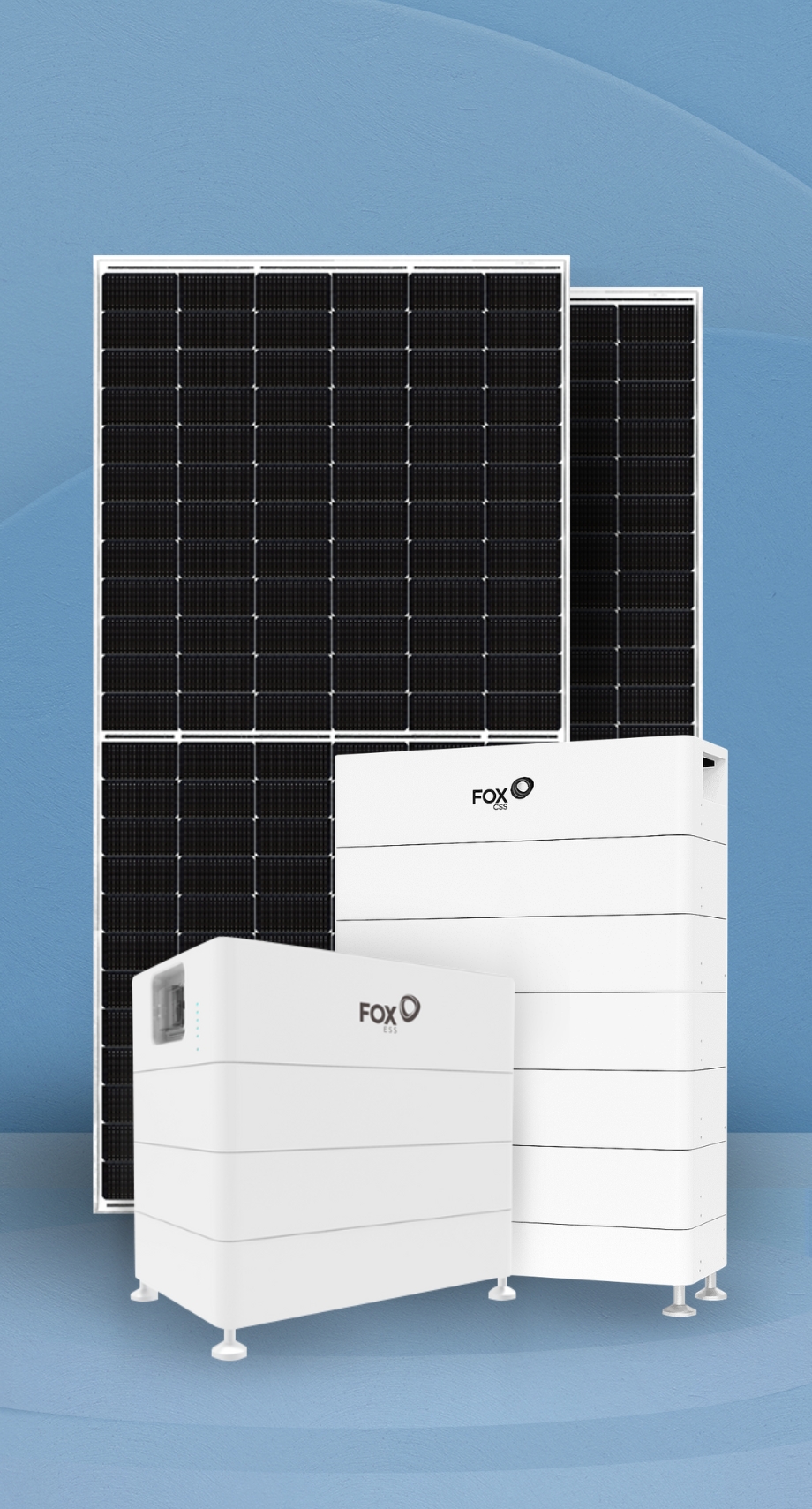
Choosing a solar inverter may not sound as thrilling as preference solar panels, but it is one of the most critical components in your solar energy system. The inverter converts the DC power generated by your PV panels into the AC power your home uses and also plays a big role in competence, reliability, monitoring, battery compatibility and durability.
In Australia in 2025, the solar market is more classy than ever: there are choices for grid-tie string inverters, hybrid (solar + battery) inverters, micro-inverters, possibilities for backup power during blackouts, classy monitoring, etc.
-
What to Look For in a Solar Inverter (Australian Context)
The solar inverter is a vital component, and your selection should primarily emphasise on conversion efficiency ( 95%) to maximize power generation and your system’s output. You must choose the correct inverter type, such as a String, Microinverter, or Hybrid, based on your detailed roof layout, shading issues, and plans for battery storage.
Furthermore, prioritize models with a healthy warranty (5 to 10 years), built-in monitoring features for performance tracking, and crucial safety certifications.
When you’re comparing inverters for a residential system (or small commercial) in Australia, here are the significant criteria:
Efficiency & performance
- The inverter needs to convert DC → AC as efficiently as possible (higher efficiency = less loss).
- It should have good low-voltage/low-sun performance (so you get more yield early morning / later afternoon).
- MPPT (Maximum Power Point Tracking) capability for your panel string layout.
- In Australian conditions (heat, sun, dust) reliability matters more.
Warranty & reliability / brand support
- A longer warranty is a good sign (10+ years is increasingly standard).
- Local support / service network in Australia is very important.
- Brand reputation in the Australian installer community matters: e.g., in a survey, one brand dominated preference.
Monitoring & smart features
- Real-time monitoring, remote diagnostics, apps/web dashboards.
- Hybrid / battery‐ready functions: if you might add a battery in future, choose an inverter that supports that.
- Backup power or “island mode” capability: some inverters allow basic backup when the grid goes down.
Compatibility & future-proofing
- Battery compatibility (if you plan to add storage).
- Export capability, grid compliance (Australian standards: AS/NZS 4777 etc).
- Support for complex roof layouts (multiple orientations, shading) or micro-inverters/optimisers if needed.
Cost vs value
- While inexpensive inverters may look tempting, often premium brands pay off through longer life, better support, higher yields.
- Consider total cost of ownership (yield, reliability, maintenance) not just upfront.
-
Leading Solar Inverter Brands in Australia (2025)
Global market leaders comprise chief brands like Sungrow and Growatt, known for offering a wide range of highly competent string and hybrid inverters. For systems requiring panel-level optimization, SolarEdge (with power optimizers) and Enphase (with microinverters) are top-tier selections acclaimed for progressive monitoring and consistency.
Other trustworthy brands often cited for their quality, support, and strong track record in numerous markets include SMA, Fronius, and hybrid inverter specialists like Sol-Ark.
Here are some of the top brands that keep seeming in installer surveys, reviews, and are well supported in Australia:
Fronius GEN24 (and GEN24 Plus)
Fronius is a reputable Austrian manufacturer, recognized worldwide for producing high-quality, consistent string inverters, specifically in the premium residential and commercial markets. Key features include the exclusive SnapINverter Technology, which streamlines installation and enables easy, cost-effective on-site servicing by replacing only the power stage. Their inverters often feature Active Cooling Technology to preserve performance and extend component life in harsh climates.
- The Austrian‐made 「GEN24/GEN24 Plus」 series by Fronius is frequently ranked as the #1 choice by Australian installers. For example in a 2025 survey, Fronius got ~26% of installer votes as the brand they’d choose for their own home.
- Key features: active cooling for Australian heat, integrated basic backup (PV Point), hybrid ready (battery connection) in the Plus model.
- Good build quality, strong support network.
- Ideal if you want a premium inverter with flexibility for storage and backup.
Sungrow SG‑RS Series
Sungrow is one of the world’s chief and most bankable manufacturers of PV inverters, known for high efficiency (often >99%) across residential and utility-scale products.
While sometimes situated as a cost-effective alternative to premium European brands, Sungrow is decidedly regarded for its robust R&D and noteworthy emphasis on the swiftly growing Energy Storage System (ESS) market, offering prevalent hybrid inverters and liquid-cooled battery solutions like the PowerTitan and SBR series.
Their strong market presence and commitment to local service have established them as a reliable global player
- The Chinese brand Sungrow has built a strong presence in Australia; good value + solid performance. For example their SG series is well supported here.
- Features like multiple MPPTs, built-in arc‐fault interrupter, wide string compatibility.
- Excellent option if you want good performance and value, without paying the top-premium.
GoodWe Inverters
GoodWe is a prominent universal manufacturer of solar and battery storage inverters, known for offering a vast, cost-effective product portfolio. They are very observed for their widespread range of hybrid inverters (like the ET and ES series), which are prevalent for retrofitting batteries to existing solar systems.
While normally placed in the value-for-money segment, GoodWe often incorporates advanced features like high PV oversizing ratios and offers competitive warranties, often extendible up to 25 years.
- Another brand gaining traction in Australia for value installs. In a 2025 installer poll they placed 3rd.
- Good choice for budget systems where you still want decent brand support.
SMA Inverters
SMA (System, Measurement and Analysis) is a German company worldwide recognized as a best, high-quality solar inverter manufacturer with over 40 years of experience. Their flagship residential (Single-phase Sunny Boy) and commercial (Three-phase Sunny Tripower) string inverters are very regarded for their durability, high efficiency, and advanced grid management features like SMA ShadeFix (for optimizing shaded panels). SMA also leads in the storage market with its new Smart Energy hybrid inverters and the legendary off-grid Sunny Island series.
- German engineering brand with solid history, good quality, though price may be higher.
Other brands worth mentioning
- Huawei: their SUN2000 series also shows up in “top inverter” lists.
- Solax Power, FIMER, and more are also in the market—good to compare, but check local support and warranty.
-
Top Recommended Models & Considerations
Here are a few models you may hunger to appraise (note: availability/pricing in Australia may vary, always check current local stock, installer recommendation and rebates).
- Fronius Primo/Gen24 (single-phase) and Fronius Symo Gen24 (three-phase): These cover 3kW–10kW for household use. Good for homes planning battery storage and/or backup power.
- Sungrow SG3.0/5.0RS up to SG5.0RS-ADA: Good for typical residential installs, value for money, strong monitoring support.
- If you have a smaller budget and standard solar (without battery backup) you might ponder a value inverter brand but still first-rate one with local support, attired efficiency, decent warranty.
Note: In our product Query results we only found general inverters (some of them may not be Australian-specific models). Always check the local version (Australian grid code, warranty, service center) when buying.
-
Key Questions & Pitfalls to Watch Out For
A chief concern for Australian solar owners is voltage rise, a common grid issue that normally causes inverters to “clip” or shut down on sunny days, resulting in lost production. To avoid this pitfall, key questions to ask include whether the inverter is compliant with the modern grid standards like AS/NZS 4777.2, and what its detailed ‘voltage ride-through’ capability is for handling grid fluctuations.
The main pitfall to avoid is purchasing a cheap, no-name brand with no consistent local support, as inverter failures are the most common component failure and poor after-sales service can lead to lengthy downtime.
When you speak with installers / compare quotes, make sure you ask/check:
- Is the inverter an Australian version (AS/NZS compliant)?
- What is the warranty period? Can you extend it?
- Is the brand supported locally? Are there local technicians/service centres?
- What monitoring options come with it? App, web portal, diagnostics.
- Is it battery‐ready? If you want storage now or later, choose an inverter that supports battery integration (hybrid) rather than “solar only”.
- Backup capability? If you want power during blackouts, ask how this is handled (is a separate switch required, how much load, how long, etc).
- String configuration & roof layout compatibility: If your roof has multiple orientations or shading, you may benefit from more MPPTs, or optimisers/micro-inverters.
- Quality vs cost trade-off: A very cheap inverter may save you money up front but could cost more in repairs, lower yield, shorter life.
- Installer qualification & experience: The inverter is key — a good installer matters as much as good hardware.
- Future proofing: Ask about upgrades, smart home integration, EV charging, etc.
- Local conditions: For example, high heat, dust, corrosive environment (in Australia) — choose inverters with good protection (IP rating, cooling) and good performance under stress.
Final Thoughts
If I were to pick one simple recommendation for a typical Australian homeowner in 2025:
- Prioritise a quality brand inverter (not the cheapest unknown brand).
- If you expect to add battery storage or want backup capability, go for a hybrid‐ready model (for example, Fronius GEN24 Plus or equivalent).
- For straightforward solar without storage, a value model from a trusted brand (like Sungrow) is very good.
- Work with a reputable installer, ensure local support, check warranty registration, and understand monitoring.
By doing that, you’ll give your solar system a strong “heart” (the inverter) that will serve you consistently for many years, and get the most out of your investment.