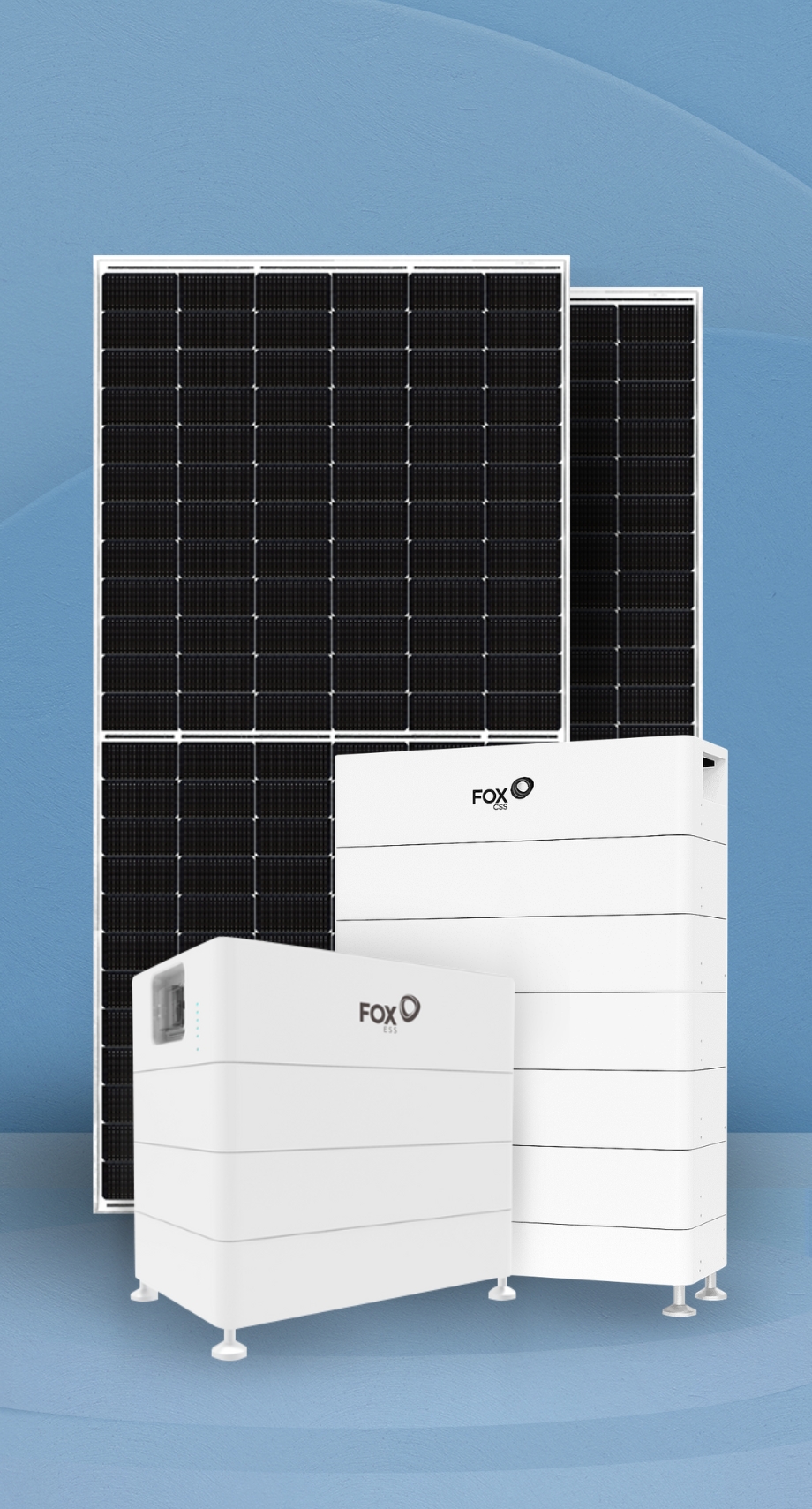
A Solar Feed-In Tariff is a credit you receive from your electricity retailer for any excess electricity your rooftop solar panels generate and send back to the main grid. These tariffs are designed to encourage the uptake of renewable energy, offering a payment (usually in cents per kilowatt-hour or c/kWh) that appears as a credit on your electricity bill.
FiT rates in Australia are not uniform; they vary significantly across different states/territories, between electricity retailers, and can be structured as either a flat rate or a time-varying rate (higher during peak demand). While initial premium tariffs were very generous, current standard rates are generally lower, making the self-consumption of solar energy (using it yourself rather than exporting) the most financially beneficial strategy for new solar owners.
Many Australians are beginning to question whether solar is still a smart investment now that several solar bonus schemes and installation discounts are winding down. The short answer? Yes, solar energy continues to be an excellent way for households to cut their electricity bills, as long as you know how to find a good deal.
Today, most electricity retailers offer competitive feed-in tariffs as part of their standard plans. Some even provide specialised options designed specifically for solar owners.
While solar plans work much like regular electricity plans, there’s one key difference: you still pay for the electricity you use, but you also earn money back through feed-in tariffs for the excess energy your system exports.
Below, Goal Solar breaks down the feed-in rates from Australia’s leading solar providers, highlighting where households can unlock the best value.
Understanding Solar Feed-In Tariff And Solar Suppliers Australia
A feed-in tariff (FiT) is a small credit homeowners receive for any excess electricity their solar system sends back to the grid. If you don’t have a solar battery, any solar energy you don’t use instantly is automatically exported to the shared electricity network, where it’s used by other households and businesses.
Most residential solar systems earn a feed-in tariff ranging from around 7 to 16 cents per kWh for the energy they export. Instead of receiving this as cash, the credit is simply deducted from your electricity bill, helping reduce your overall energy costs.
Is There A Premium Solar Feed Available In the Tariff?
You may have heard that some feed-in tariffs can go as high as 60 cents per kWh. Sounds incredible, right? Unfortunately, these premium rates are only available to homeowners who installed and registered their solar systems many years ago, generally before 2011, depending on the state.
In simple terms, if you haven’t had solar for a long time or you’re planning to install a system now, you won’t qualify for these older premium tariffs. And realistically, there are no signs that similar high-value solar bonus schemes will return anytime soon.
However, homeowners in South Australia and Queensland who joined their state’s incentive programs before they closed will continue receiving premium feed-in rates until 2028. Meanwhile, customers under Victoria’s bonus scheme will keep their premium FiT benefits through 2024.

Gross vs. Net Feed-In Tariffs
A gross feed-in tariff means your electricity retailer pays you for every unit of solar energy your system sends to the grid, while you are still billed separately for all the electricity you use. Because most states now prefer net feed-in tariffs—also called export metering—gross tariff schemes are slowly disappearing from the market.
Today, South Australia, Queensland, Victoria, Tasmania, New South Wales, and the Australian Capital Territory all use net feed-in tariffs. Under this model, you only earn credit for the excess solar power your system produces after your home or business has used what it needs. If your solar system doesn’t generate enough energy at any point, you’ll still purchase the extra electricity from the grid as usual.
Important: Energy Matters recommends choosing an electricity retailer that is solar-friendly. The right retailer ensures you won’t be disadvantaged elsewhere on your bill once your solar system is installed. Some providers may even offer bonus incentives on top of any legislated feed-in tariff rates where applicable.
Know More About Feed-in Tariff in Australia
While a high feed-in tariff may sound attractive, it doesn’t always guarantee the best overall deal. When comparing electricity plans, it’s essential to review the Energy Price Fact Sheets to understand the full picture.
Be mindful of costs linked to solar metering, as some retailers charge solar customers additional daily supply fees. In many cases, plans offering higher feed-in tariffs may also come with increased electricity usage or supply charges, so it’s important to weigh whether the higher FiT truly offsets these extra costs.
If you have a larger solar system, around 5kW or more, you may still benefit from a high feed-in tariff, even if it comes with slightly higher usage rates. High FiTs can also be advantageous for households that export most of their solar energy to the grid, such as families who are away from home during the day.
On the other hand, if you have a smaller solar system or a battery storage setup, you’re less likely to export significant excess energy. In such cases, choosing a plan with lower electricity rates may be more beneficial than prioritising the feed-in tariff. The same applies to households that use most of their daytime solar production while at home.

Demand for Feed-in Tariffs in Australia
The demand for feed-in tariffs in Australia continues to grow as more households invest in solar systems and look for ways to maximise their energy savings. With rising electricity prices, homeowners are increasingly interested in retailers that offer competitive rates for exporting excess solar power back to the grid.
Many Australians now compare feed-in tariffs just as carefully as they compare electricity usage rates, making it a key factor when choosing an energy provider. Overall, the push for better feed-in tariffs reflects a broader shift toward smarter, more cost-effective energy management across the country.
Is Income from a Feed-In Tariff Taxable?
Currently, there is no specific tax legislation that directly addresses income earned from solar feed-in tariffs. Whether this income is taxable depends on whether the activity is considered income-producing. If you can show that your solar system was installed with the intention of generating profit, then the payments received under a feed-in tariff may be treated as assessable income. In this case, any expenses related to generating that income—such as depreciation or maintenance—would generally be tax-deductible.
In Conclusion :
Understanding solar feed-in tariffs in Australia is essential for anyone looking to get the most out of their solar investment. While FITs provide a valuable opportunity to earn credits for excess energy, they vary widely between retailers and states, making careful comparison crucial.
Beyond just chasing the highest rate, homeowners should consider overall electricity plans, supply charges, and usage rates to ensure long-term savings. As solar adoption continues to rise, feed-in tariffs will remain an important part of Australia’s renewable energy landscape, helping households reduce bills, support the grid, and contribute to a cleaner energy future.