If you’re exploring solar energy for your home or business, you’re probably wondering: What’s solar equipment and how does it work in Australia? With millions of households already powered by rooftop solar, the country has become a global leader in clean energy adoption.
Thanks to plentiful sunshine, government incentives, and rising electricity costs, solar is now more reasonable and more effective than ever before.
This guide explains everything, what solar equipment is, how it works, and what makes the Australian solar market exclusive.
Introduction to What’s Solar Equipment and How Does It Work in Australia
Solar equipment refers to the technology and hardware used to capture sunlight, convert it into electricity, store it, and power homes and businesses. In Australia, solar equipment plays a chief role in reducing energy bills and cutting carbon emissions.
But before we dive in, it helps to understand the basics of solar power.
Understanding the Basics of Solar Energy in Australia
Harnessing solar energy is a major trend in Australia, thanks to its high levels of sunlight and favourable government incentives. The basic technology involves photovoltaic (PV) panels that convert sunlight directly into DC electricity.
This DC electricity is then fed into an inverter, which converts it to AC electricity for household use or for export back to the main power grid via a feed-in tariff. While the upfront cost can be high, solar systems offer long-term savings on electricity bills and help reduce carbon emissions. Would you like to know more about the financial incentives available for solar in Australia?
How Solar Power Works in Australia?
Solar power works by converting sunlight into electricity through photovoltaic (PV) cells. When sunlight hits the panels, it generates direct current (DC) electricity, which then passes through an inverter to produce usable alternating current (AC) power for homes.
Why Solar Is Popular in Australia?
Australia enjoys some of the world’s highest solar irradiation levels. Combined with lucrative rebates and high electricity prices, solar has become the go-to solution for long-term savings.
What’s Solar Equipment? (Main Components Explained)
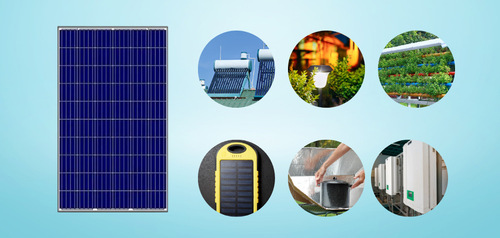
The vital solar equipment in Australia primarily consists of photovoltaic (PV) panels, which capture sunlight and convert it into direct current (DC) electricity. This DC power is then sent to an inverter (either a central string inverter or individual microinverters) to be converted into the alternating current (AC) electricity used in homes and by the grid.
Further, vital components include the mounting/racking system that secures the panels to the roof and a security switchboard/meter to manage and measure the flow of energy. Lastly, while optional, a solar battery is a gradually popular addition, allowing homeowners to store excess daytime solar energy for use at night or during a blackout.
Solar equipment includes several key parts that work together to produce clean energy. Here’s a breakdown of each component.
-
Solar Panels (PV Modules)
These are the primary devices that capture sunlight. Australia commonly uses:
- Monocrystalline panels (high efficiency)
- Polycrystalline panels (budget-friendly)
- Half-cut and bifacial panels (advanced technologies)
-
Solar Inverters
Inverters convert DC power into AC power. Australia primarily uses:
- String inverters
- Micro-inverters
- Hybrid inverters (for battery-ready systems)
-
Solar Batteries
Solar Batteries store excess energy for nighttime use or power outages. Popular brands include:
- Tesla Powerwall
- LG Chem
- Sonnen
-
Mounting Structures
These attach solar panels to rooftops or ground-based frames. They’re designed to withstand harsh Australian weather.
-
Charge Controllers
Used mostly in off-grid systems, these regulate battery charging to prevent overcharging.
-
Smart Meters & Monitoring Devices
These tools track electricity production, usage, and export to the grid.
How Does Solar Equipment Work in Australia?
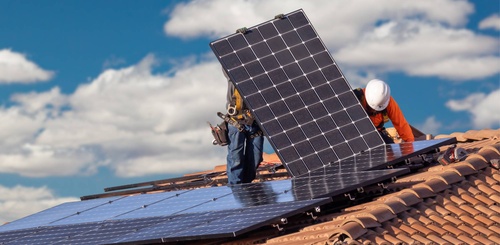
Solar equipment in Australia operates by converting the sun’s energy into usable household electricity.
- Photovoltaic (PV) Panels convert sunlight into Direct Current (DC) electricity through the photovoltaic effect.
- The DC electricity is then routed to a solar inverter, which is the critical component that converts the DC power into Alternating Current (AC) electricity—the standard type of power used by all home appliances and the main electricity grid.
- The converted AC power is used to run the household’s appliances immediately. If the system produces more electricity than the home needs, the surplus energy is either stored in an optional solar battery or exported back to the grid via a smart meter, earning the homeowner a feed-in tariff.
Solar Panel Energy Capture
Panels absorb sunlight and convert it into DC electricity. Australia’s strong sun ensures high production even in the winter months.
Power Conversion Through Inverters
Inverters turn DC electricity into AC electricity, which powers your appliances.
Feeding Electricity into the Grid
Any unused electricity can be exported back to the grid, earning homeowners feed-in tariffs.
Using Batteries for Energy Storage
Stored electricity helps reduce grid dependence, especially during peak evening hours.
Types of Solar Systems Used in Australia
The three main types of solar systems in Australia are Grid-Tied (or On-Grid), which is the most mutual and involves exporting surplus power to the chief electricity network; Off-Grid (or Standalone), which uses batteries and is wholly independent of the grid for remote properties; and Hybrid Systems, which combine a grid connection with a battery for energy storage and backup power during outages.
-
Grid-Tied Systems
The most common option. Panels produce electricity, and excess power goes into the grid.
-
Off-Grid Solar Systems
Used in rural areas where grid access is limited. Requires batteries and a reliable backup source.
-
Hybrid Solar Systems
Combine the best of both worlds, grid connection + battery storage.
Benefits of Solar Equipment in Australia
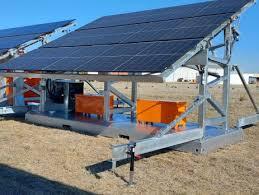
Solar equipment provides noteworthy economic and environmental benefits for Australians. Financially, installing a system leads to substantial savings on electricity bills by reducing dependence on grid power and, often, generating income through feed-in tariffs for exported surplus energy.
Environmentally, solar power considerably reduces your carbon footprint and greenhouse gas emissions, straight contributing to a cleaner future and mitigating climate change.
Furthermore, government incentives and the decreasing cost of technology make the preliminary investment more affordable, while the system itself offers energy independence and can increase your property value.
Lower Electricity Bills
Solar drastically reduces power bills, especially with high grid prices.
Energy Independence
Batteries help homeowners rely less on the grid and avoid peak rates.
Support from Government Rebates
Australian rebates significantly reduce the upfront cost of installation.
Australian Solar Policies & Incentives
STC Solar Rebates
The Small-Scale Technology Certificates (STC) program reduces installation costs for residential and small commercial systems.
Feed-in Tariffs (FiTs)
Energy retailers pay you for excess electricity exported back to the grid. Rates vary by state and provider.
Common Mistakes to Avoid When Choosing Solar Equipment
A common mistake is prioritising the cheapest quote without verifying the quality of the solar panels and, significantly, the inverter, which is the system’s “engine.” Homeowners also often fail to precisely size their system by underestimating future energy requirements (like EV charging) or by ignoring roof factors like shading and orientation, which severely impact performance.
Finally, disregarding the installer’s reputation and the warranty details, particularly local support for making a claim, can lead to long-term performance issues and costly repairs.
Buying Low-Quality Panels
Cheap panels often underperform in Australian heat and degrade faster.
Ignoring Roof Direction and Shading
Panels should face north where possible to maximise production.
Real-Life Examples of Solar Use in Australia
Residential Solar Adoption
Over 3.5 million Australian homes now use rooftop solar to reduce power bills and improve sustainability.
Commercial & Rural Applications
Farms, schools, factories, and offices increasingly rely on solar to cut energy expenses.
Frequently Asked Questions
-
What’s solar equipment in simple terms?
It’s the hardware, panels, inverters, batteries, and mounts that help convert sunlight into electricity.
-
Do solar panels work well in Australia?
Yes, Australia has some of the best solar conditions globally.
-
Do I need a battery with my solar system?
Not mandatory, but batteries help maximise savings.
-
How long do solar panels last in Australia?
Most panels last 25+ years with proper maintenance.
-
What government rebates are available?
The STC rebate and feed-in tariffs are the main incentives.
-
Which solar system type is best?
Grid-tied is the most popular; hybrid is ideal for long-term savings.
In Conclusion:
Understanding what solar equipment is and how does it works in Australia is the first step toward choosing the right solar system for your needs. With high sunshine levels, strong government rebates, and increasing energy costs, solar power offers both financial and environmental benefits.
Whether you choose grid-tied, hybrid, or off-grid solar, investing in quality equipment ensures long-term performance and reliability. Australia’s renewable energy revolution is already underway, and now is the seamless time to be part of it.