Best Solar Batteries in Australia 2026: Complete Comparison Guide
Why Choosing the Right Solar Battery Matters in 2026 — home solar batteries have become one of the smartest investments Australian households can make. With rising electricity prices, time-of-use tariffs, and the federal Cheaper Home Batteries Program delivering meaningful rebates, more homeowners are asking: “Which solar battery is best for my home in 2026?”
This comprehensive solar battery comparison Australia guide examines the leading brands available on the market today. We cover capacity options, installed pricing (before and after rebate), warranty strength, expandability, backup capability, local support, and real-world suitability for Australian conditions.
Whether you are installing a new solar + battery system or retrofitting storage to an existing array, this guide will help you shortlist the right product and speak confidently with installers.
Brands covered in this guide: FoxESS, GoodWe, Sungrow, Sigenergy, Fronius, Alpha ESS, Growatt, Neovolt, Dyness, Pylontech, Anker SOLIX, and iStore.
Key Factors When Choosing a Solar Battery in Australia
Before diving into brand-by-brand details, consider these decision factors:
- Usable capacity & expandabilityHow much storage do you need now, and can you add modules later?
- Installed cost per usable kWhThe most useful value metric after rebate.
- Warranty & throughputLook for 10-year product warranties with clear capacity retention (usually 70%) and throughput guarantees.
- Inverter compatibilityDC-coupled systems often lock to specific hybrid inverters; AC-coupled options are more flexible for retrofits.
- Backup / blackout performanceSwitchover speed, continuous power output, and whether whole-home or essential-circuits backup is supported.
- Local support & VPP readinessAustralian offices, installer networks, and Virtual Power Plant eligibility can affect long-term ownership experience.
- Safety & Australian conditionsIP rating (outdoor suitability), fire suppression features, and thermal performance in hot climates.
Jump to a Brand
Solar Battery Comparison Table Australia 2026
The table below summarises key metrics for popular residential configurations (typically 10–16 kWh usable). Prices are indicative installed ranges based on mid-2026 installer and market data. Always obtain current quotes.
| Brand | Usable Capacity | Installed Price (before rebate) | After Rebate (approx) | Warranty Highlights | Best For |
|---|---|---|---|---|---|
| FoxESS | 5–40+ kWh modular | $6,000–$10,000 | $5,900–$7,800 | 10–12 yrs, strong throughput | Budget + expandability |
| GoodWe | 5–50+ kWh (Lynx/ESA) | $5,300–$9,500 | $5,500–$7,000 | 10 yrs, up to 3.65 MWh/kWh | Value & reliability |
| Sungrow | 9.6–25.6+ kWh (SBR/SBH) | $6,500–$13,700 | $6,800–$9,300 | 10 yrs, solid cycle life | Reliability + new installs |
| Sigenergy | 5–48+ kWh (SigenStor) | $8,000–$16,500 | $7,200–$12,700 | 10 yrs, high cycle claims | Premium all-in-one / EV |
| Fronius | 6.3–15.8 kWh/tower (to 63 kWh) | $9,400–$11,000+ | ~$9,400 | 10 yrs | Premium + Fronius owners |
| Alpha ESS | 3–60+ kWh (Smile) | $6,500–$11,500 | $6,500–$8,600 | 10 yrs, ~3.12 MWh/kWh | Budget with local support |
| Growatt | 5–50+ kWh (APX/ARK) | $4,500–$12,500 | $6,200+ | 10 yrs | Budget small–mid homes |
| Neovolt | 5–50+ kWh modular | $5,800–$9,000 | $4,950–$6,450 | 10 yrs | Budget expandable |
| Dyness | 5–50+ kWh (PowerBox) | $5,000–$12,000 | Varies | 10 yrs, 6,000+ cycles | Flexible modular value |
| Pylontech | 5–20+ kWh modular | $7,200+ | Varies | 10 yrs, strong cycle life | Broad compatibility |
| Anker | 5–30+ kWh (SOLIX X1) | $7,000–$14,000+ | $9,800+ | 10 yrs | Scalable / coastal homes |
| iStore | 5–15+ kWh modular | $8,400–$15,000 | ~$8,400 | 10 yrs, 3.65 MWh/kWh | Local Australian support |
Note: Prices fluctuate with market conditions, system size, single vs three-phase, and installation complexity. Federal rebate is tiered (full rate on first ~14 kWh usable capacity, reduced thereafter). Confirm current eligibility and figures with your installer.
Detailed Brand Reviews
FoxESS — Best Value Expandable Option
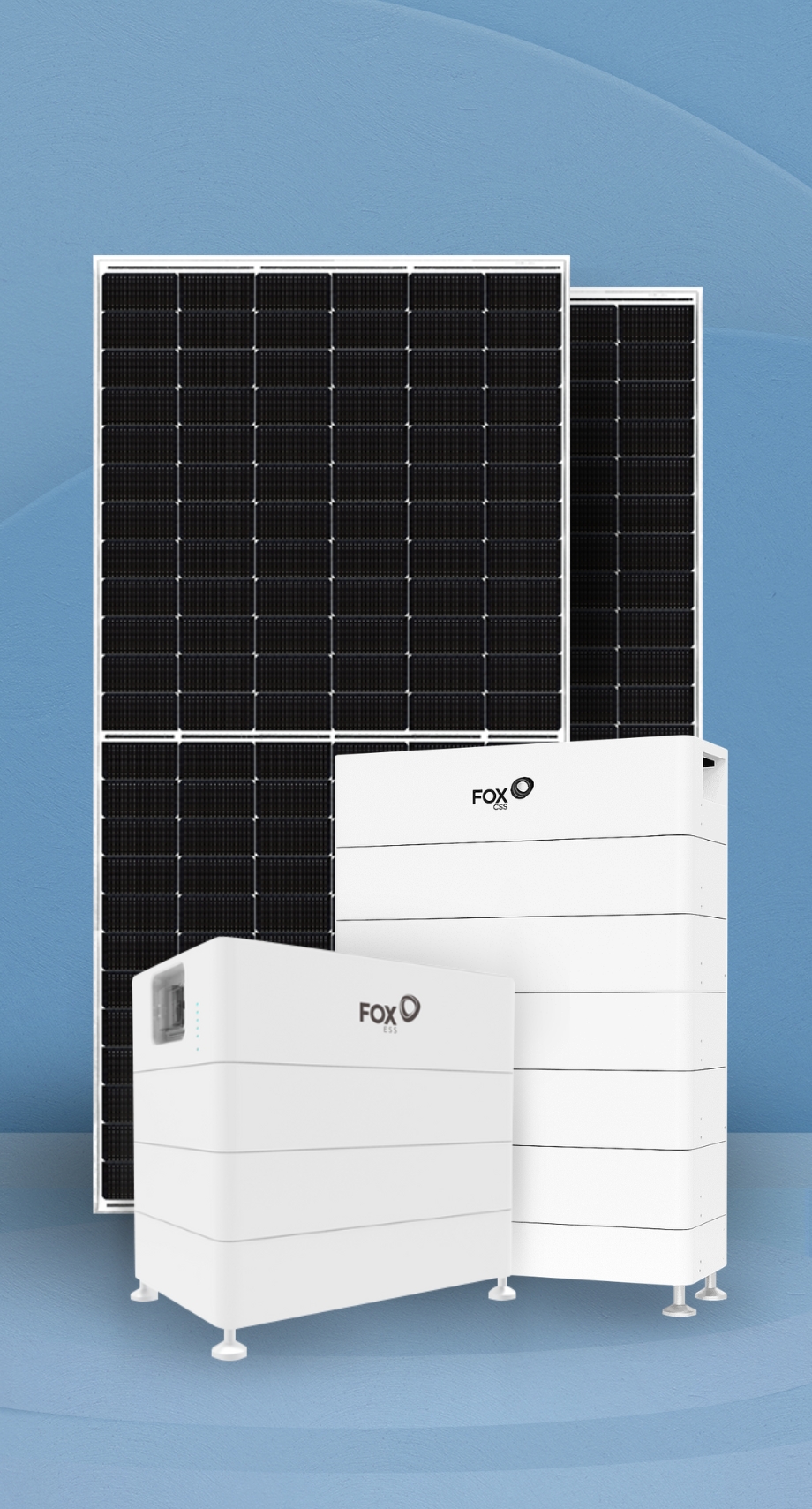
FoxESS has rapidly gained popularity in Australia for delivering competitive pricing without major compromises on quality. Their modular EP, CQ and EQ series batteries typically start around 5–12 kWh and scale well beyond 40 kWh.
GoodWe — Top-Ranked All-Rounder
GoodWe consistently ranks near the top of independent Australian battery scorecards (including Solar Choice's 2026 rankings). The ESA series offers AC-coupled flexibility ideal for retrofits, while the Lynx series delivers strong DC-coupled value with GoodWe hybrids.
Sungrow — Proven Reliability & Strong Local Support
Sungrow is one of the most trusted names in Australian solar, thanks to its large inverter market share and responsive local technical support. The SBR and SBH modular high-voltage batteries are popular for both single- and three-phase homes.
Sigenergy SigenStor — Premium All-in-One Platform
Sigenergy's SigenStor is a highly integrated “5-in-1” system combining hybrid inverter, stackable battery modules, energy management, backup gateway, and optional bidirectional EV charger. It has become a favourite among tech-focused homeowners and installers seeking future-proofing.
Fronius Reserva — Premium Austrian Engineering
Fronius entered the Australian battery market with the Reserva series – a modular, high-voltage LFP battery designed specifically to pair with Fronius GEN24 and related hybrid inverters. Capacities range from 6.3 kWh to 15.8 kWh per tower, with parallel operation up to 63 kWh.
Alpha ESS — Reliable Mid-Range Favourite
Alpha ESS has built a strong reputation among Australian installers for dependable hardware, competitive pricing, and solid local support. The Smile series offers both AC- and DC-coupled options and is frequently used in government battery trials.
Growatt — Affordable Entry Point
Growatt offers some of the most accessible entry-level pricing in the Australian market through its APX HV and ARK modular ranges. Systems can scale from small capacities up to 50 kWh+.
Neovolt — Strong Budget Contender
Distributed in Australia primarily via VoltX Energy, Neovolt has emerged as a compelling budget option with usable capacities starting around 9.6–10 kWh and scaling significantly through parallel connection.
Dyness — Flexible Modular Battery Specialist
Dyness focuses on modular LFP batteries (PowerBox and related series) that work with a wide range of hybrid inverters. This makes them a flexible choice when inverter lock-in is undesirable.
Pylontech — Proven Modular Workhorse
Pylontech has long been a staple in both residential and off-grid systems. Their Force and US-series modular batteries are known for reliability, strong cycle life, and wide inverter compatibility.
Anker SOLIX X1 — Rising Premium Modular Option
Anker, well-known for consumer electronics, has entered the home energy storage market with the SOLIX X1. The system emphasises modularity (5 kWh modules scaling to 30 kWh+ and beyond in parallel), coastal durability (C5-M corrosion rating), and fast backup switching.
iStore — Australian-Owned Support Focus
iStore is an Australian-owned brand (part of the Solargain group) that has expanded from heat-pump water systems into solar batteries. Their Smart Battery range is modular (5 / 10 / 15 kWh configurations) and pairs with iStore hybrid inverters.
How to Choose the Right Solar Battery for Your Home
There is no single “best” battery for every Australian home. Use these decision paths:
- New solar + battery install on a budget: Prioritise FoxESS, GoodWe Lynx/ESA, Sungrow SBR, Growatt or Neovolt.
- Retrofitting to an existing non-matching inverter: Look at AC-coupled options such as GoodWe ESA, Alpha ESS Smile, or certain Sigenergy configurations.
- Want maximum integration + EV readiness: Sigenergy SigenStor is currently one of the strongest all-in-one platforms.
- Already own a Fronius inverter: Fronius Reserva is the natural high-quality match.
- Prioritise Australian ownership / local support narrative: iStore or well-supported brands such as Alpha ESS, Sungrow and GoodWe.
- Need broad inverter flexibility: Dyness or Pylontech modular batteries.
Federal & State Battery Rebates in 2026
Some states and territories offer additional incentives or interest-free loan schemes. Always confirm current eligibility, capacity caps, and whether the rebate requires pairing with new or existing solar. A CEC-accredited installer can calculate the precise rebate for your system size and location.
Frequently Asked Questions
What is the best solar battery in Australia in 2026?
There is no universal winner. GoodWe, Sungrow, Alpha ESS and Sigenergy frequently rank highly in independent scorecards for overall balance of price, performance, warranty and support. FoxESS and Neovolt often deliver the lowest cost per usable kWh. The best choice depends on your budget, existing equipment, desired capacity and whether you value all-in-one integration or pure value.
How much does a home solar battery cost in Australia after rebate?
A typical 10–13 kWh system can land between roughly $5,000 and $10,000 after the federal rebate, depending on brand, location and installation complexity. Premium integrated systems (Sigenergy, Fronius, larger Anker configurations) sit higher. Always obtain multiple quotes.
Are LFP batteries safer than other chemistries?
Yes. Lithium Iron Phosphate (LFP) is the dominant chemistry in modern Australian residential batteries because of its superior thermal stability and lower risk of thermal runaway compared with older NMC chemistries. All brands covered in this guide use LFP.
Can I expand my battery capacity later?
Most of the brands listed (FoxESS, GoodWe ESA, Sungrow, Sigenergy, Alpha ESS, Growatt, Neovolt, Dyness, Pylontech, Anker) offer modular designs that allow capacity increases. Confirm module availability and any maximum stack limits with your installer.
Do I need a matching hybrid inverter?
It depends on the battery architecture. Many high-voltage DC-coupled batteries perform best (or only work) with the manufacturer's hybrid inverter. AC-coupled systems and some modular low-voltage batteries offer greater flexibility with existing inverters. Discuss compatibility early in the quoting process.
Conclusion & Next Steps
The Australian home battery market in 2026 offers more choice and better value than ever before. Whether you prioritise lowest cost per kilowatt-hour (FoxESS, GoodWe, Neovolt, Growatt), proven reliability and support (Sungrow, Alpha ESS, GoodWe), premium integration (Sigenergy, Fronius, Anker), or local ownership (iStore), there is a strong option available.
The most important step is to obtain tailored quotes from multiple Clean Energy Council (CEC) accredited installers. Ask them to model expected savings based on your actual electricity usage, tariff structure and solar generation profile. Factor in rebate eligibility, backup requirements and any plans for future expansion or EV ownership.
Ready to explore solar battery options for your home? Contact Goal Solar for a no-obligation assessment and personalised recommendations based on the latest products and incentives available in your area.
SEO & Content Team – Additional Guidance
Suggested internal links
Link to existing pages on solar panel installation, hybrid inverters, federal/state rebate guides, VPP information, and contact/quote forms.
Image suggestions
Brand product photos (with permission or stock), comparison infographic, Australian home with battery installation, simple flowchart “How to choose”, rebate calculation example.
Schema markup
Consider FAQPage schema for the FAQ section and Product/Review schema if individual brand pages are created.
Update cadence
Battery pricing, rebate rates and model availability change regularly. Schedule a review every 3–6 months or after major policy announcements.
Tone & compliance
This draft is informational. Avoid absolute claims (“the best battery”) without qualification. Encourage readers to seek professional advice and multiple quotes. Ensure any pricing or rebate figures are clearly marked as approximate and time-sensitive.