Electric vehicles (EVs) are becoming a common sight on Australian roads. With rising fuel prices, environmental concerns, and generous government incentives, more Australians are switching to EVs than ever before. As a result, Home EV Chargers in Australia are now an essential upgrade for EV owners who want convenience, safety, and faster charging at home.
This comprehensive guide explains the best home EV charger brands in Australia, how much they cost, installation requirements, and what you should consider before buying. Whether you’re a first-time EV owner or upgrading your setup, this article will help you make a confident and informed decision.
-
Overview of Home EV Chargers in Australia
Home EV Chargers in Australia allow electric vehicle owners to charge their cars safely and efficiently at home. Unlike a standard power outlet, a dedicated EV charger delivers faster charging speeds, improved safety, and smart energy management features.
As EV ownership grows, Australian homes are increasingly being upgraded with EV charging stations, especially in metropolitan areas like Sydney, Melbourne, Brisbane, and Perth.
-
Why Install a Home EV Charger in Australia?
Installing a home EV charger in Australia is a smart investment that combines daily convenience with significant long-term savings. By moving beyond a standard wall plug to a dedicated Level 2 AC charger, you can recharge your vehicle up to three to ten times faster, often reaching a full charge overnight.
Installing a home EV charger offers several benefits:
- Convenience: Charge your EV overnight at home
- Faster Charging: Up to 5x faster than a standard socket
- Lower Costs: Home charging is cheaper than public charging
- Safety: Designed specifically for EV power loads
- Property Value: Adds future-ready appeal to your home
For most EV owners, a home charger quickly becomes a daily necessity.
Key Benefits for Australian Homeowners
- Cost Efficiency: You can drastically reduce running costs by charging during off-peak windows or by integrating the charger with rooftop solar panels to power your car for free.
- Practical Convenience: Having a home station eliminates the “range anxiety” of searching for public infrastructure, allowing you to start every morning with a full “tank” in the comfort of your own garage.
- Future-Proofing & Value: Installing a professional charger can increase your property value as EVs become the standard, and it ensures your home’s electrical system is safely configured to handle high-power loads.
- Government Support: Depending on your location, you may be eligible for incentives, such as the $1,000 residential grants in the Northern Territory or 0% interest loans in the ACT and Tasmania.
-
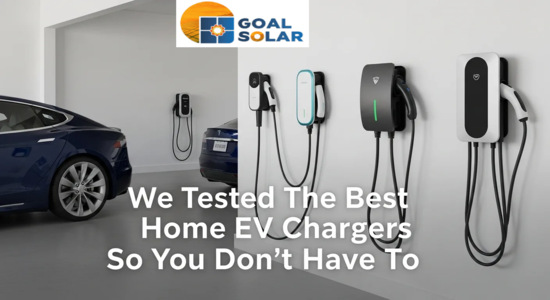
Types of Home EV Chargers Explained
In Australia, home EV charging is generally divided into two main categories: Level 1 and Level 2. While both use Alternating Current (AC) from the grid, they differ significantly in speed, hardware, and installation requirements.
Home EV chargers in Australia generally fall into two main categories:
- Portable EV Chargers: Plug into existing power outlets
- Wall-Mounted EV Chargers: Permanently installed units
Wall-mounted chargers are the most popular choice due to reliability, speed, and smart features.
-
Level 1 vs Level 2 Charging
| Feature | Level 1 Charger | Level 2 Charger |
| Power Output | 2.4 kW | 7 kW – 22 kW |
| Charging Speed | Slow | Fast |
| Installation | None | Required |
| Best For | Occasional use | Daily home charging |
Most Australian EV owners choose Level 2 chargers, as they provide a full overnight charge.
-
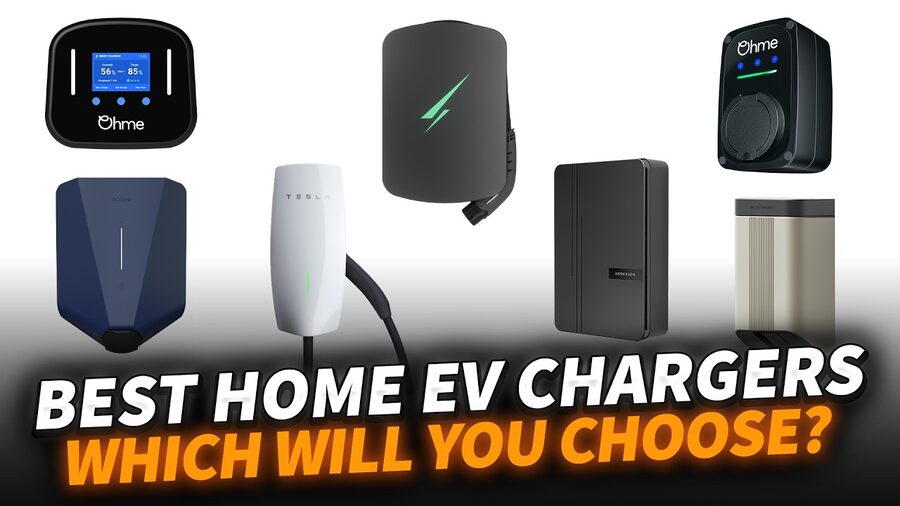
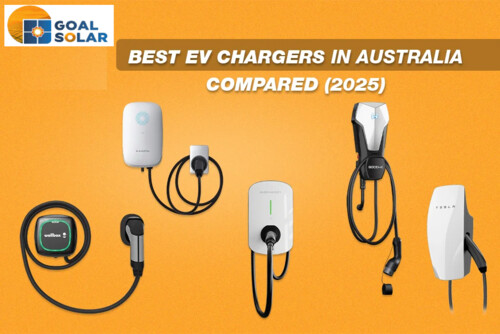
Best Home EV Charger Brands in Australia
When choosing a home EV charger in Australia, the “best” brand often depends on whether you have solar panels, what car you drive, and your budget. Here are the leading brands currently dominating the Australian market:
Here are the most trusted brands for Home EV Chargers in Australia:
- Tesla Wall Connector
- Ideal for Tesla vehicles
- Up to 22kW charging
- Sleek design and reliability
- Zappi (MyEnergi)
- Solar and battery integration
- Smart energy monitoring
- Popular with solar homes
- Wallbox (Pulsar Plus)
- Compact and stylish
- App-based smart controls
- Excellent value for money
- EO Charging
- Minimalist UK design
- Strong safety features
- Commercial-grade reliability
- Schneider Electric
- Trusted global brand
- Durable and future-proof
-
Smart EV Chargers vs Standard Chargers
Smart chargers offer advanced features such as:
- Mobile app control
- Scheduled charging
- Load balancing
- Solar optimization
- Energy usage reports
While standard chargers are cheaper, smart EV chargers are better suited for modern Australian homes.
-
Home EV Charger Prices in Australia
The cost of Home EV Chargers in Australia depends on brand and features.
| Charger Type | Price Range (AUD) |
| Basic Level 2 Charger | $700 – $1,200 |
| Smart EV Charger | $1,200 – $2,500 |
| Solar-Compatible Charger | $1,500 – $3,000 |
Prices do not include installation.
-
Installation Costs of Solar EV Chargers and What Affects Them
In Australia, the average cost to install a home EV charger in 2025 typically ranges from $1,500 to $3,500 (including both the hardware and labour). While a standard installation might sit at the lower end of that bracket, solar-aware setups often fall between $2,100 and $2,800 due to the extra hardware required to communicate with your solar inverter.
Key Factors Affecting Installation Costs
The final quote from your electrician is primarily influenced by the “distance and difficulty” of the electrical run:
- Distance from Switchboard: A charger installed right next to your electrical panel is much cheaper than one requiring a 20-meter cable run through a roof cavity or an external wall.
- Switchboard Condition: Many older Australian homes require a switchboard upgrade (averaging $1,500–$2,500) to ensure there is enough physical space and electrical capacity for a dedicated 32-amp circuit.
- Phase of Power: Installing a 7kW single-phase charger is standard. Upgrading to 22kW three-phase charging is more expensive and only possible if your street connection supports it, often adding several hundred dollars to the labour cost.
- Solar Integration Hardware: For a charger to “talk” to your solar system, the electrician may need to install CT clamps (current transformers) or a separate energy meter in your switchboard to monitor excess generation.
- Trenching: If you have a detached garage or a carport that requires digging a trench to lay underground conduit, costs can increase significantly (often by $500–$1,500+).
Installation costs typically range from $1000 to $2,500, depending on:
- Distance from switchboard
- Electrical upgrades required
- Single-phase or three-phase power
- Wall material and cable routing
Always use a licensed electrician experienced with EV chargers.
-
Electrical Requirements for Home EV Chargers
Most Australian homes require:
- Dedicated circuit
- RCD safety switch
- Adequate switchboard capacity
Some older homes may need a switchboard upgrade before installation.
-
Solar-Compatible EV Chargers
Solar EV chargers allow you to charge your EV using excess solar energy, reducing grid reliance and charging costs. Popular solar-compatible chargers include:
- Zappi
- Fronius Wattpilot
- Wallbox Pulsar Plus
These are ideal for homes with rooftop solar systems.
-
Government Rebates and Incentives in Australia
Rebates vary by state. Examples include:
- Victoria: EV charger rebates and solar incentives
- NSW: EV infrastructure support programs
- Queensland: EV and energy efficiency incentives
For the latest updates, check official government websites such as: https://www.energy.gov.au
-
Safety Standards and Compliance
All Home EV Chargers in Australia must comply with:
- AS/NZS 3000 Wiring Rules
- AS/NZS 4777 standards
- Electrical Safety Regulations
Certified products and professional installation are essential for insurance and safety.
-
Choosing the Right EV Charger for Your Home
Consider the following before buying:
- Your EV’s charging capacity
- Daily driving distance
- Solar system compatibility
- Budget and future EV upgrades
- Smart features vs simplicity
A professional consultation can help you choose the best option.
FAQs About Home EV Chargers in Australia
-
How long does it take to charge an EV at home?
Most EVs charge fully in 6–8 hours using a Level 2 charger.
-
Can I install an EV charger myself?
No. Australian law requires installation by a licensed electrician.
-
Are home EV chargers safe?
Yes, when installed correctly and certified.
-
Do I need three-phase power?
Not always. Single-phase chargers are sufficient for most homes.
-
Can I charge multiple EVs at home?
Yes, with load balancing or multiple chargers.
-
Is solar charging worth it?
Absolutely. It lowers running costs and maximises renewable energy use.
Final Thoughts and Expert Recommendations
Home EV Chargers in Australia are a smart investment for any EV owner. With reliable brands, improving affordability, and growing government support, installing a home EV charger is easier than ever. Choosing the right charger ensures faster charging, long-term savings, and peace of mind. If you plan to own an EV for years to come, a professionally installed home charger is not just a convenience, it’s a necessity.