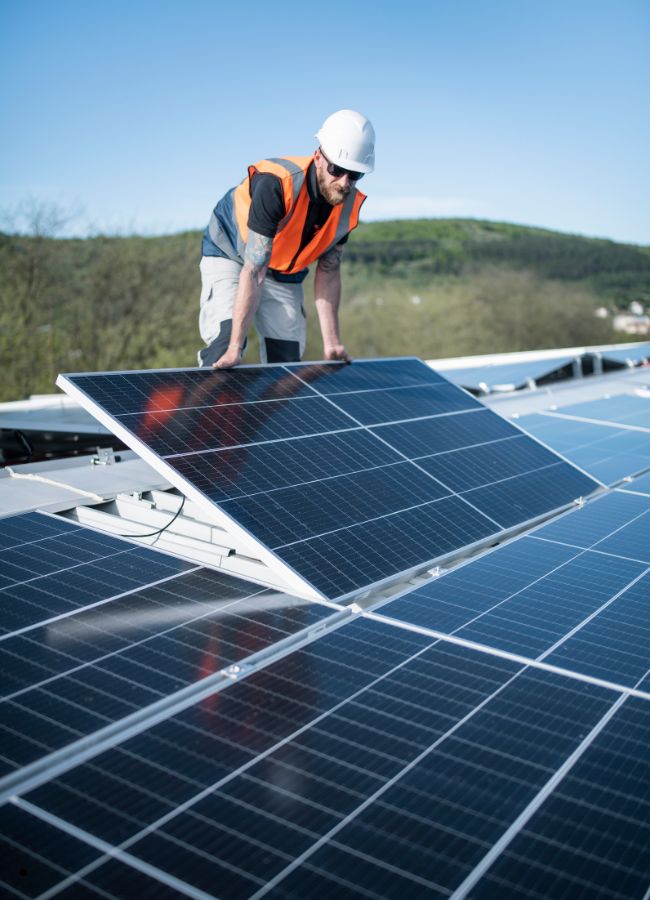
Australia is one of the sunniest continents on Earth, so it’s no surprise that solar energy is booming. But what’s even more exciting is how rural and remote areas are benefiting from large-scale solar systems.
These regions often deal with higher energy costs, weaker grid infrastructure, and limited access to reliable electricity. Solar farms are stepping in as a game changer, providing a clean, affordable, and consistent energy supply.
Let’s break down why large-scale solar is transforming rural Australia in ways that go far beyond just electricity production.
Overview of Large-Scale Solar Systems in Australia
What Qualifies as a Large-scale Solar System?
A large-scale solar system, often called a solar farm, is a solar power plant that generates electricity in bulk, usually from 1 MW to hundreds of MW. These systems feed directly into the grid or supply power to big operations like agricultural facilities or remote towns.
How do utility-scale solar farms operate?
These farms consist of thousands of solar panels installed across wide land areas. They convert sunlight into electricity through photovoltaic (PV) technology or concentrated solar power (CSP), depending on the design.
Grid-connected vs off-grid systems
- Grid-connected: Supply electricity to the national grid
- Off-grid: Serve remote communities with no grid access
Both play critical roles in strengthening rural power supply.
Economic Benefits of Large Scale Solar Systems in Australia
Reducing energy costs for rural communities
Rural Australians often pay higher electricity prices due to transmission distances and infrastructure limitations. Large-scale solar farms generate power locally, slashing these costs and stabilizing energy pricing.
Creating job opportunities
Solar projects bring new employment in:
- Construction
- Electrical work
- Engineering
- Operations and maintenance
This creates long-term economic growth and reduces unemployment in remote areas.
Boosting local businesses and industries
Large-scale solar encourages economic activity by:
- Lowering operating costs for farms and factories
- Encouraging new investments
- Supporting local suppliers and contractors
Long-term financial savings
Solar farms have minimal operating costs once installed. This ensures decades of low-cost energy, benefiting communities and governments alike.

Environmental Advantages of Large Scale Solar Systems in Australia
Lower carbon emissions
Solar power is one of the cleanest energy sources. Rural solar farms reduce Australia’s overall carbon footprint and help meet national renewable energy targets.
Reducing reliance on fossil fuels
Remote communities often depend on diesel generators. By replacing them with solar, there’s a significant drop in both pollution and fuel transportation costs.
Protecting natural ecosystems
Solar farms require little water and do not produce harmful waste. This protects local flora, fauna, and natural landscapes.
Supporting climate change goals
Large-scale solar plays a vital role in Australia’s move toward a net-zero future, helping reduce climate risks like droughts and extreme heat.
Social and Community Benefits
Large-scale solar systems, especially through Community Solar programs, deliver noteworthy social and community benefits beyond clean energy production.
Improving energy accessibility
Solar provides consistent and accessible power, specifically to areas that formerly experienced frequent outages or inadequate supply.
Enhancing quality of life in regional areas
Reliable electricity means:
- Better healthcare services
- Improved schooling
- More opportunities for business development
- Higher household comfort and safety
Encouraging community-owned solar projects
Many rural towns are now investing in shared solar farms, where community members together benefit from energy production and profits.
Infrastructure Improvements
Strengthening rural electricity networks
Solar farms reduce pressure on aged infrastructure by generating power closer to where it’s used.
Reducing power outages
Local power generation helps stabilise the grid and keeps voltage levels steady, even during peak demand.
Supporting future energy innovations
Large-scale solar systems pave the way for advanced technologies like:
- Battery storage
- Microgrids
- Virtual power plants (VPPs)
Agricultural Benefits
The integration of large-scale solar systems with agriculture, often termed Agrivoltaics or dual-use solar, provides significant benefits to the farming sector.
Dual land use (Solar + farming)
Solar farms can coexist with agriculture through agrivoltaics, allowing farmers to:
- Graze livestock under panels
- Grow shade-tolerant crops
- Protect soil from erosion
Increasing land productivity
Wasted or unused farmland turns into revenue-generating solar fields, boosting financial stability for farmers.
Protecting crops and livestock from extreme heat
Solar panels provide shade, helping regulate temperature and reduce heat stress on animals and plants.
Technological Advantages in Large Scale Solar Systems in Australia
Large-scale solar systems leverage several advanced technologies to maximize efficiency, reliability, and cost-effectiveness.
- Advanced PV Modules: The industry is rapidly adopting high-efficiency technologies like n-type TOPCon and Heterojunction (HJT) cells, which offer superior performance and higher energy yield compared to older generations. A major breakthrough is the increasing use of Bifacial Modules, which capture sunlight and reflected light from both the front and back of the panel, boosting overall energy generation by up to 30%.
- Solar Tracking Systems: Large farms widely employ Single-Axis or Dual-Axis Trackers that automatically follow the sun’s path throughout the day, ensuring the panels are always at the optimal angle. This key technological advantage can increase the system’s total energy output by 25% or more compared to fixed-tilt installations.
- Integrated Energy Storage and Smart Grid Control: Utility-scale projects are increasingly paired with large-scale battery storage (BESS), typically using advanced Lithium-ion technology. This storage solves the intermittency challenge by banking surplus energy for use at night or during peak demand, while AI and Machine Learning algorithms optimize the plant’s output and manage grid stability in real-time.
Better energy storage solutions
Advance battery systems allow solar farms to store excess electricity for nighttime use, improving reliability.
Smart grid integration
Solar farms connect seamlessly with modern smart grids, improving energy management and reducing strain on utilities.
Remote monitoring and maintenance
Technicians can operate and troubleshoot systems using advanced digital tools, reducing operating costs.
Challenges to Consider While Opting for Large Scale Solar Systems
Initial investment requirements
Large-scale solar projects require significant upfront capital, although long-term benefits outweigh the cost.
Land approval and community acceptance
Some rural residents may raise concerns about land use, aesthetics, or environmental impact. Proper planning and communication help overcome these issues.
Maintenance and long-term planning
Solar farms need consistent monitoring and maintenance to ensure maximum efficiency.
Future of Large-Scale Solar in Rural Australia
Government policies and funding
Federal and state governments are heavily investing in renewable projects, offering grants, subsidies, and incentives for large-scale solar expansion.
Expected growth trends
By 2030, solar is projected to become Australia’s largest source of electricity, with rural areas hosting most new solar farms.
Expanding hybrid energy systems
Hybrid systems combining solar, wind, and battery storage will provide even more reliable power for remote regions.
Conclusion
Large-scale solar systems are more than just energy generators. They’re catalysts for transformation in rural Australia. From boosting local economies to defending the environment and enhancing community well-being, the benefits are indisputable.
As technology advances and policy support grows, solar farms will endure to reshape the future of regional Australia, delivering clean, affordable, and sustainable energy for generations.
FAQs
-
What is considered a large-scale solar system?
A system generating 1 MW or more, naturally used for commercial or community-wide power supply.
-
Are solar farms beneficial for farmers?
Absolutely, farmers can lease land for solar, use agrivoltaics, and reduce their energy costs.
-
Do solar farms affect the environment negatively?
No, they have minimal environmental impact and help reduce carbon pollution.
-
Are rural areas suitable for solar energy?
Yes, rural Australia receives abundant sunlight and has large open land suitable for solar farm installations.
-
What is the future of solar energy in remote Australia?
The future is bright with increasing government support, advanced battery systems, and rapid adoption of hybrid energy models.