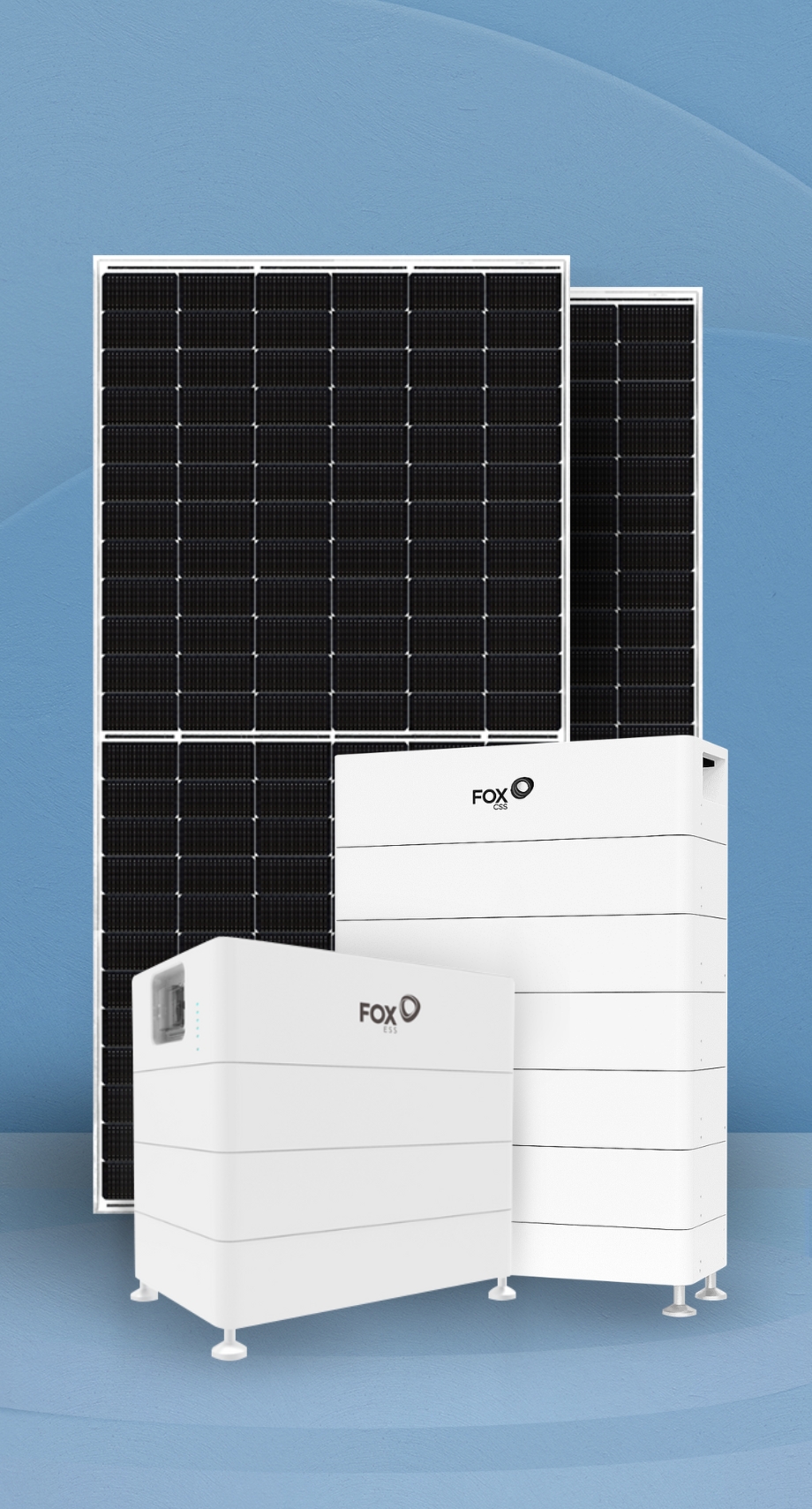
Top Solar Panel Brands in 2026: AIKO, LONGi, Jinko, Trina, Risen, Astronergy, Suntech, Sunpro & DMEGC
Why Choosing the Right Solar Panel Brand Matters in 2026 | Goal Solar Solar Panel Buyer’s Guide · 2026 Why Choosing the Right Solar Panel Brand Matters in 2026 A complete comparison of nine leading manufacturers — efficiency, technology, and which brand fits your project. The solar industry continues to advance at an incredible pace. In 2026, commercial module efficiencies have crossed the 25% mark, back-contact (BC) and TOPCon technologies dominate high-performance installations, and homeowners and businesses demand panels that deliver higher energy yield, better temperature performance, and longer warranties. Whether you are installing a residential rooftop system, a commercial & industrial (C&I) array, or a utility-scale solar farm, selecting the right brand can significantly impact your long-term returns. This comprehensive guide compares nine leading solar panel manufacturers — AIKO, LONGi, JinkoSolar, Trina Solar, Risen Energy, Astronergy, Suntech, Sunpro Power, and DMEGC — to help you make an informed decision and maximize the performance of your solar investment. Use this content on your website to attract organic traffic from homeowners, installers, and project developers searching for reliable solar panel comparisons, efficiency rankings, and brand reviews. Quick Comparison: Top Solar Panel Brands 2026 Overview of key strengths (based on commercially available high-efficiency modules in 2026): Brand Main Technology Peak Efficiency Best For AIKO ABC (Back Contact) 25.0–25.6% Highest efficiency, premium residential LONGi HPBC / Back Contact 24.8–25.5% High performance + scale JinkoSolar TOPCon 23.9–24.8% Bankability & global availability Trina Solar TOPCon 23.9–24.3% Value & reliability Risen Energy HJT / TOPCon ~24.0% Hot climates (HJT) Astronergy TOPCon Up to 24.8% High efficiency value Suntech TOPCon / Mono Competitive Established reliability Sunpro Power TOPCon / HJT / BC ~24.4–24.6% Rising Tier-1 option DMEGC TOPCon 23.7%+ Solid performance & value 1 AIKO Solar – The Efficiency Leader Technology: N-type ABC (All Back Contact) · Peak Module Efficiency: Up to 25.0–25.6% · Key Series: Neostar, Comet, Infinite / Stellar AIKO has consistently ranked at the top of independent efficiency listings (TaiyangNews TOP SOLAR MODULES) throughout 2025 and 2026. Its proprietary ABC technology places all metal contacts on the rear of the cell, eliminating front-side shading and delivering industry-leading conversion efficiency. Why Choose AIKO? Highest commercial module efficiencies currently available Excellent temperature coefficient (≈ −0.26%/°C) Superior performance under partial shading Sleek all-black aesthetic ideal for residential roofs Strong warranties (typically 25-year product / 30-year performance) 2 LONGi – Technology Powerhouse & Global Scale Technology: HPBC / HPBC 2.0 / HIBC (Back Contact) & TOPCon · Peak Module Efficiency: Up to 24.8–25.5% · Key Series: Hi-MO X10, Hi-MO 9, Hi-MO 7 LONGi is one of the world’s largest solar manufacturers and a consistent innovator in back-contact technology. Its HPBC modules deliver high efficiency with excellent aesthetics and strong bankability, making them a preferred choice for both residential and large-scale projects. Why Choose LONGi? Proven track record and massive production capacity High-efficiency back-contact modules with premium all-black options Strong global supply chain and warranty support Excellent balance of performance, reliability, and value 3 JinkoSolar – Global Shipment Leader Technology: N-type TOPCon · Peak Module Efficiency: Up to 23.9–24.8% · Key Series: Tiger Neo / Tiger Neo 3.0 JinkoSolar is frequently ranked among the top manufacturers by annual shipments. Its Tiger Neo series offers reliable high-efficiency TOPCon performance, wide availability, and strong bankability — making it one of the safest choices for installers and project financiers worldwide. Why Choose JinkoSolar? One of the largest global shipment volumes Excellent service network and product availability Competitive pricing with solid efficiency Widely accepted by banks and financiers (Tier 1 / AAA bankability) 4 Trina Solar – Proven Reliability & Value Technology: N-type TOPCon · Peak Module Efficiency: Up to 23.9–24.3% · Key Series: Vertex S+, Vertex N Trina Solar is known for its durable dual-glass modules, consistent quality, and strong value proposition. The Vertex series is popular for both residential and commercial applications and frequently appears in independent reliability tests. Why Choose Trina Solar? Excellent power-to-price ratio Robust dual-glass construction options Long product and performance warranties Trusted brand with global project experience 5 Risen Energy – Strong HJT & TOPCon Performer Technology: HJT (Heterojunction) and TOPCon · Peak Module Efficiency: Up to ~24.0% · Key Series: Hyper-ion Pro Risen Energy offers genuine HJT modules that excel in hot climates thanks to a very low temperature coefficient. This makes them particularly attractive for projects in high-temperature regions where energy yield under heat stress is critical. Why Choose Risen? Excellent temperature performance (HJT) Competitive high-power modules Suitable for both C&I and utility applications 6 Astronergy (ASTRO) – Chint-Backed High Performer Technology: N-type TOPCon · Peak Module Efficiency: Up to 24.8% · Key Series: ASTRO N7 / N7 Pro Backed by the large Chint Group, Astronergy has rapidly improved its module efficiency and production scale. Its ASTRO N-series TOPCon modules now rank among the most efficient in the TOPCon category and offer strong value for residential and commercial buyers. Why Choose Astronergy? High TOPCon efficiency at competitive pricing Strong corporate backing and growing capacity Good availability for international markets 7 Suntech – Established Brand with Solid Reliability Technology: TOPCon / advanced mono · Key Series: Ultra V Pro / Ultra series Suntech is one of the longer-standing names in the solar industry. While not always at the absolute peak of efficiency rankings, its modules remain respected for quality, durability, and consistent performance across a wide range of applications. Why Choose Suntech? Long industry heritage and brand recognition Reliable performance for residential and commercial use Competitive offerings in the mid-to-high efficiency segment 8 Sunpro Power – Rising Tier-1 Contender Technology: TOPCon, HJT, and Back Contact · Peak Module Efficiency: Up to ~24.4–24.6% · Key Series: Premium BC, Max TOPCon, various high-power lines Founded in 2018, Sunpro Power has quickly earned BloombergNEF Tier 1 status and continues to expand its high-efficiency portfolio. The company offers competitive modules across multiple cell technologies and maintains a growing international presence. Why Choose Sunpro? BloombergNEF Tier 1 manufacturer Diverse technology portfolio (TOPCon, HJT, BC) Competitive pricing and expanding global distribution
Best Solar Batteries in Australia 2026: Complete Comparison Guide
Best Solar Batteries Australia 2026 – Full Comparison of FoxESS, GoodWe, Sungrow & More | Goal Solar Best Solar Batteries in Australia 2026: Complete Comparison Guide Why Choosing the Right Solar Battery Matters in 2026 — home solar batteries have become one of the smartest investments Australian households can make. With rising electricity prices, time-of-use tariffs, and the federal Cheaper Home Batteries Program delivering meaningful rebates, more homeowners are asking: “Which solar battery is best for my home in 2026?” 12 brands compared Pricing before & after rebate Warranty & pros/cons This comprehensive solar battery comparison Australia guide examines the leading brands available on the market today. We cover capacity options, installed pricing (before and after rebate), warranty strength, expandability, backup capability, local support, and real-world suitability for Australian conditions. Whether you are installing a new solar + battery system or retrofitting storage to an existing array, this guide will help you shortlist the right product and speak confidently with installers. Brands covered in this guide: FoxESS, GoodWe, Sungrow, Sigenergy, Fronius, Alpha ESS, Growatt, Neovolt, Dyness, Pylontech, Anker SOLIX, and iStore. Key Factors When Choosing a Solar Battery in Australia Before diving into brand-by-brand details, consider these decision factors: Usable capacity & expandabilityHow much storage do you need now, and can you add modules later? Installed cost per usable kWhThe most useful value metric after rebate. Warranty & throughputLook for 10-year product warranties with clear capacity retention (usually 70%) and throughput guarantees. Inverter compatibilityDC-coupled systems often lock to specific hybrid inverters; AC-coupled options are more flexible for retrofits. Backup / blackout performanceSwitchover speed, continuous power output, and whether whole-home or essential-circuits backup is supported. Local support & VPP readinessAustralian offices, installer networks, and Virtual Power Plant eligibility can affect long-term ownership experience. Safety & Australian conditionsIP rating (outdoor suitability), fire suppression features, and thermal performance in hot climates. Jump to a Brand FoxESS GoodWe Sungrow Sigenergy Fronius Alpha ESS Growatt Neovolt Dyness Pylontech Anker SOLIX iStore Solar Battery Comparison Table Australia 2026 The table below summarises key metrics for popular residential configurations (typically 10–16 kWh usable). Prices are indicative installed ranges based on mid-2026 installer and market data. Always obtain current quotes. Brand Usable Capacity Installed Price (before rebate) After Rebate (approx) Warranty Highlights Best For FoxESS 5–40+ kWh modular $6,000–$10,000 $5,900–$7,800 10–12 yrs, strong throughput Budget + expandability GoodWe 5–50+ kWh (Lynx/ESA) $5,300–$9,500 $5,500–$7,000 10 yrs, up to 3.65 MWh/kWh Value & reliability Sungrow 9.6–25.6+ kWh (SBR/SBH) $6,500–$13,700 $6,800–$9,300 10 yrs, solid cycle life Reliability + new installs Sigenergy 5–48+ kWh (SigenStor) $8,000–$16,500 $7,200–$12,700 10 yrs, high cycle claims Premium all-in-one / EV Fronius 6.3–15.8 kWh/tower (to 63 kWh) $9,400–$11,000+ ~$9,400 10 yrs Premium + Fronius owners Alpha ESS 3–60+ kWh (Smile) $6,500–$11,500 $6,500–$8,600 10 yrs, ~3.12 MWh/kWh Budget with local support Growatt 5–50+ kWh (APX/ARK) $4,500–$12,500 $6,200+ 10 yrs Budget small–mid homes Neovolt 5–50+ kWh modular $5,800–$9,000 $4,950–$6,450 10 yrs Budget expandable Dyness 5–50+ kWh (PowerBox) $5,000–$12,000 Varies 10 yrs, 6,000+ cycles Flexible modular value Pylontech 5–20+ kWh modular $7,200+ Varies 10 yrs, strong cycle life Broad compatibility Anker 5–30+ kWh (SOLIX X1) $7,000–$14,000+ $9,800+ 10 yrs Scalable / coastal homes iStore 5–15+ kWh modular $8,400–$15,000 ~$8,400 10 yrs, 3.65 MWh/kWh Local Australian support Note: Prices fluctuate with market conditions, system size, single vs three-phase, and installation complexity. Federal rebate is tiered (full rate on first ~14 kWh usable capacity, reduced thereafter). Confirm current eligibility and figures with your installer. Detailed Brand Reviews 01 FoxESS — Best Value Expandable Option FoxESS has rapidly gained popularity in Australia for delivering competitive pricing without major compromises on quality. Their modular EP, CQ and EQ series batteries typically start around 5–12 kWh and scale well beyond 40 kWh. StrengthsVery competitive cost per kWh after rebate, modular design for future expansion, solid cycle life and throughput warranties (some models claim 10–12 years), good efficiency. ConsiderationsPerformance is optimised when paired with FoxESS hybrid inverters. Local support presence is growing but not as established as some longer-standing brands. Ideal for: Homeowners prioritising value and the ability to start smaller and expand later. 02 GoodWe — Top-Ranked All-Rounder GoodWe consistently ranks near the top of independent Australian battery scorecards (including Solar Choice’s 2026 rankings). The ESA series offers AC-coupled flexibility ideal for retrofits, while the Lynx series delivers strong DC-coupled value with GoodWe hybrids. StrengthsExcellent cost-per-warranted-kWh, IP66 outdoor rating, built-in fire suppression on many models, strong local presence, high expandability on ESA platforms. ConsiderationsLynx batteries are generally locked to compatible GoodWe hybrid inverters. Ideal for: Most Australian households seeking a reliable, well-supported, high-value system. 03 Sungrow — Proven Reliability & Strong Local Support Sungrow is one of the most trusted names in Australian solar, thanks to its large inverter market share and responsive local technical support. The SBR and SBH modular high-voltage batteries are popular for both single- and three-phase homes. StrengthsExcellent onshore support, high efficiency, modular stacking (up to 25.6 kWh+), strong VPP compatibility, competitive pricing for new solar + battery packages. ConsiderationsBest performance when paired with Sungrow hybrid inverters. Ideal for: New combined solar and battery installations where reliability and support matter. 04 Sigenergy SigenStor — Premium All-in-One Platform Sigenergy’s SigenStor is a highly integrated “5-in-1” system combining hybrid inverter, stackable battery modules, energy management, backup gateway, and optional bidirectional EV charger. It has become a favourite among tech-focused homeowners and installers seeking future-proofing. StrengthsTrue all-in-one design, modular expansion to 48–54 kWh per stack, near-instant backup switching, IP66 rating, AI energy management, V2H-ready option. ConsiderationsHigher price point than pure value brands. A 2025 single-phase AC plug recall was addressed via replacement program; current stock uses the revised design. Ideal for: Homeowners wanting maximum integration, EV readiness, and advanced features in one package. 05 Fronius Reserva — Premium Austrian Engineering Fronius entered the Australian battery market with the Reserva series – a modular, high-voltage LFP battery designed specifically to pair with Fronius GEN24 and related hybrid inverters. Capacities range from 6.3 kWh to 15.8 kWh per tower, with parallel operation up to 63
How Does a Solar Battery with Solar System Help You Maximise Savings in Australia: 7 Proven Benefits
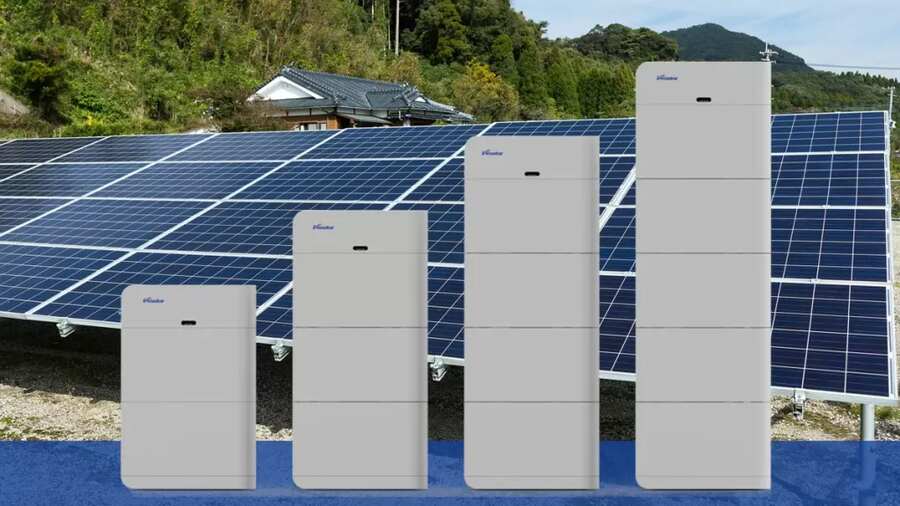
Australia is one of the brightest countries in the world, yet electricity prices persist among the highest. This is precisely why many homeowners are now asking a smart question: how does a solar battery with a solar system help you maximise savings in Australia? The answer lies in energy independence, smarter power usage, and long-term financial planning. When you syndicate solar panels with a solar battery, you are no longer just producing electricity, you are controlling when and how you use it. This all-inclusive guide explains, in clear and humble terms, how a solar battery paired with a solar system can meaningfully reduce your electricity bills, protect you from future price hikes, and increase the return on your solar investment. Understanding Australia’s Electricity Cost Challenge Australian households have seen electricity prices rise gradually over the past decade. Network charges, wholesale market volatility, and highest demand pricing all contribute to higher bills. Even homes with solar panels still rely heavily on the grid during evenings when energy is most expensive. Feed-in tariffs, the amount you are paid for exporting surplus solar power, have dropped suggestively. In many states, households earn only a few cents per kilowatt-hour, while paying up to 40–50 cents during peak usage times. This imbalance creates the flawless case for battery storage. What Is a Solar Battery and How Does It Work? A solar battery stores surplus electricity produced by your solar panels during the day. Instead of sending unused power to the grid, the battery saves it for later use, classically in the evening or early morning. Key functions include: Charging from solar panels during daylight hours Supplying stored energy when solar generation stops Reducing grid electricity consumption Providing backup power during outages (for compatible systems) Prevalent lithium-ion batteries are compact, efficient, and designed to last 10–15 years with minimal maintenance. Why Solar Panels Alone Are No Longer Enough? Solar panels are outstanding at generating power, but most Australian households use the mainstream of their electricity outside daylight hours. Without a battery, excess energy is exported at low rates and then repurchased later at much higher prices. This limits savings potential. Adding a battery transforms your solar system from a fractional solution into a wide-ranging energy strategy. This is where the real financial advantage becomes clear. Let’s break down accurately how a solar battery with a solar system helps you maximise savings in Australia. Store Excess Solar Energy Instead of Exporting It Instead of selling surplus energy back to the grid for minimal returns, a battery permits you to store that power and use it later. Every kilowatt-hour you consume from your battery is one you don’t buy from your energy retailer. Over a year, this alone can save hundreds to thousands of dollars, depending on usage. Reduce Reliance on the Grid During Peak Tariffs Electricity prices are maximum during the evening peak period. A solar battery supplies energy precisely when grid power is most expensive. By avoiding peak tariffs, households can intensely lower their quarterly bills and gain improved control over household expenses. Increase Solar Self-Consumption Rates Without a battery, many homes only use 30–40% of the solar energy they produce. With a battery, self-consumption can rise to 70–90%. Higher self-consumption means: Faster return on investment Lower exposure to energy price changes Greater overall system efficiency Protect Against Power Outages Blackouts are becoming more frequent due to extreme weather and grid stress. A solar battery provides backup power for crucial appliances like lights, refrigerators, Wi-Fi, and medical equipment. While this benefit is not always measured in dollars, it adds real value and peace of mind. Shield Yourself from Rising Energy Prices Electricity prices in Australia are anticipated to continue rising. A solar battery acts as a hedge against these upsurges by locking in your own energy supply. The more prices rise, the more appreciated your stored solar energy becomes. Government Rebates and Incentives in Australia Australian households can meaningfully reduce upfront costs through state-based incentives. Examples include: Victoria’s Solar Battery Rebate NSW Empowering Homes Program Interest-free loans and subsidies in selected regions These incentives can cut battery costs by thousands of dollars. You can check current programs through official government resources such as the Australian Government’s energy website: https://www.energy.gov.au Solar Battery Payback Period Explained The payback period depends on: Battery size and cost Household energy usage Electricity tariffs Available rebates In many Australian households, payback ranges from 6 to 10 years, while battery lifespans often exceed 10–15 years. After payback, the savings are basically pure financial gain. Best Australian Households for Solar Batteries In 2025, Australia has solidified its position as a global leader in residential renewable energy, with over 4.2 million households now using rooftop solar. The emphasis for Australian families has shifted toward solar batteries to maximise energy independence and combat rising electricity costs. Here are a few key points regarding the current state of solar batteries in Australian households: Massive Uptake in 2025: Following the launch of the Federal Government’s “Cheaper Home Batteries Program” in July 2025, battery installations have surged. In just the first few months of the program, tens of thousands of systems were installed as the rebate made storage financially viable for a much larger portion of the population. Generous Incentives: Eligible households can currently access a discount of approximately 30% off the upfront cost of a battery. For a standard 10kWh system, this typically translates to a saving of around $3,100 to $3,400, with some states offering additional “stackable” rebates or interest-free loans that can further reduce the net cost. Virtual Power Plants (VPPs): Many households are now joining VPPs, where their batteries are networked together to support the grid during peak demand. In exchange, homeowners receive financial credits or lower power rates, effectively turning their home into a mini power station. Energy Resilience: Beyond savings, batteries provide Australian homes with vital protection against blackouts, which is increasingly important in regions prone to extreme weather. Modern “islandable” systems allow homes to remain powered by stored solar energy even
Best Home EV Chargers in Australia with Brands, Prices & Installation
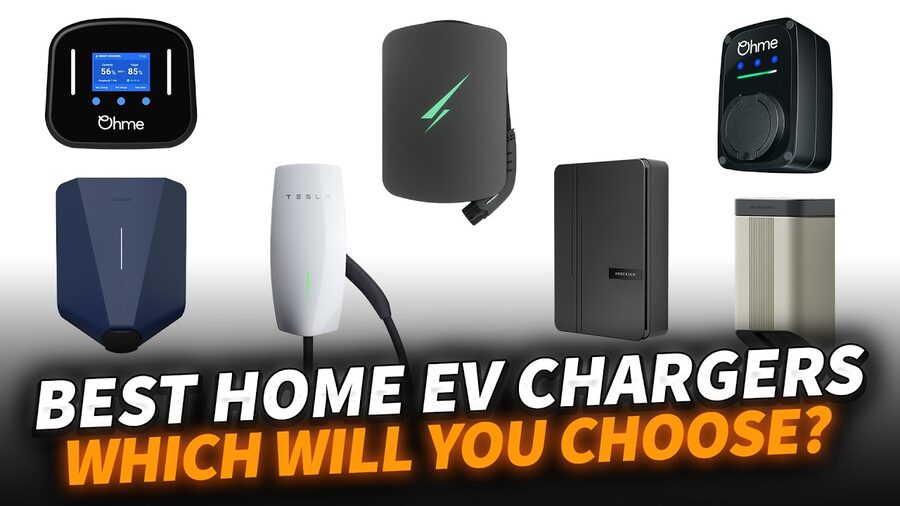
Electric vehicles (EVs) are becoming a common sight on Australian roads. With rising fuel prices, environmental concerns, and generous government incentives, more Australians are switching to EVs than ever before. As a result, Home EV Chargers in Australia are now an essential upgrade for EV owners who want convenience, safety, and faster charging at home. This comprehensive guide explains the best home EV charger brands in Australia, how much they cost, installation requirements, and what you should consider before buying. Whether you’re a first-time EV owner or upgrading your setup, this article will help you make a confident and informed decision. Overview of Home EV Chargers in Australia Home EV Chargers in Australia allow electric vehicle owners to charge their cars safely and efficiently at home. Unlike a standard power outlet, a dedicated EV charger delivers faster charging speeds, improved safety, and smart energy management features. As EV ownership grows, Australian homes are increasingly being upgraded with EV charging stations, especially in metropolitan areas like Sydney, Melbourne, Brisbane, and Perth. Why Install a Home EV Charger in Australia? Installing a home EV charger in Australia is a smart investment that combines daily convenience with significant long-term savings. By moving beyond a standard wall plug to a dedicated Level 2 AC charger, you can recharge your vehicle up to three to ten times faster, often reaching a full charge overnight. Installing a home EV charger offers several benefits: Convenience: Charge your EV overnight at home Faster Charging: Up to 5x faster than a standard socket Lower Costs: Home charging is cheaper than public charging Safety: Designed specifically for EV power loads Property Value: Adds future-ready appeal to your home For most EV owners, a home charger quickly becomes a daily necessity. Key Benefits for Australian Homeowners Cost Efficiency: You can drastically reduce running costs by charging during off-peak windows or by integrating the charger with rooftop solar panels to power your car for free. Practical Convenience: Having a home station eliminates the “range anxiety” of searching for public infrastructure, allowing you to start every morning with a full “tank” in the comfort of your own garage. Future-Proofing & Value: Installing a professional charger can increase your property value as EVs become the standard, and it ensures your home’s electrical system is safely configured to handle high-power loads. Government Support: Depending on your location, you may be eligible for incentives, such as the $1,000 residential grants in the Northern Territory or 0% interest loans in the ACT and Tasmania. Types of Home EV Chargers Explained In Australia, home EV charging is generally divided into two main categories: Level 1 and Level 2. While both use Alternating Current (AC) from the grid, they differ significantly in speed, hardware, and installation requirements. Home EV chargers in Australia generally fall into two main categories: Portable EV Chargers: Plug into existing power outlets Wall-Mounted EV Chargers: Permanently installed units Wall-mounted chargers are the most popular choice due to reliability, speed, and smart features. Level 1 vs Level 2 Charging Feature Level 1 Charger Level 2 Charger Power Output 2.4 kW 7 kW – 22 kW Charging Speed Slow Fast Installation None Required Best For Occasional use Daily home charging Most Australian EV owners choose Level 2 chargers, as they provide a full overnight charge. Best Home EV Charger Brands in Australia When choosing a home EV charger in Australia, the “best” brand often depends on whether you have solar panels, what car you drive, and your budget. Here are the leading brands currently dominating the Australian market: Here are the most trusted brands for Home EV Chargers in Australia: Tesla Wall Connector Ideal for Tesla vehicles Up to 22kW charging Sleek design and reliability Zappi (MyEnergi) Solar and battery integration Smart energy monitoring Popular with solar homes Wallbox (Pulsar Plus) Compact and stylish App-based smart controls Excellent value for money EO Charging Minimalist UK design Strong safety features Commercial-grade reliability Schneider Electric Trusted global brand Durable and future-proof Smart EV Chargers vs Standard Chargers Smart chargers offer advanced features such as: Mobile app control Scheduled charging Load balancing Solar optimization Energy usage reports While standard chargers are cheaper, smart EV chargers are better suited for modern Australian homes. Home EV Charger Prices in Australia The cost of Home EV Chargers in Australia depends on brand and features. Charger Type Price Range (AUD) Basic Level 2 Charger $700 – $1,200 Smart EV Charger $1,200 – $2,500 Solar-Compatible Charger $1,500 – $3,000 Prices do not include installation. Installation Costs of Solar EV Chargers and What Affects Them In Australia, the average cost to install a home EV charger in 2025 typically ranges from $1,500 to $3,500 (including both the hardware and labour). While a standard installation might sit at the lower end of that bracket, solar-aware setups often fall between $2,100 and $2,800 due to the extra hardware required to communicate with your solar inverter. Key Factors Affecting Installation Costs The final quote from your electrician is primarily influenced by the “distance and difficulty” of the electrical run: Distance from Switchboard: A charger installed right next to your electrical panel is much cheaper than one requiring a 20-meter cable run through a roof cavity or an external wall. Switchboard Condition: Many older Australian homes require a switchboard upgrade (averaging $1,500–$2,500) to ensure there is enough physical space and electrical capacity for a dedicated 32-amp circuit. Phase of Power: Installing a 7kW single-phase charger is standard. Upgrading to 22kW three-phase charging is more expensive and only possible if your street connection supports it, often adding several hundred dollars to the labour cost. Solar Integration Hardware: For a charger to “talk” to your solar system, the electrician may need to install CT clamps (current transformers) or a separate energy meter in your switchboard to monitor excess generation. Trenching: If you have a detached garage or a carport that requires digging a trench to lay underground conduit, costs can increase significantly (often by $500–$1,500+). Installation costs typically
Reviewing Leading Solar Panels in Brisbane for Your Home

Brisbane homeowners are in a lucky territory: plenty of sun, rising power prices, and a booming market of high-quality solar panels. But “best” depends on your roof, budget, and goals. Do you hunger for maximum output per square metre, the longest warranty, or the best performance in Queensland’s hot summers? Reviewing leading solar panels in Brisbane necessitates balancing high energy output with the durability needed for the city’s powerful subtropical sun and humidity. For 2026, premium brands like SunPower (Maxeon) and REC endure to govern local reviews due to their excellent heat resistance and industry-leading warranties of up to 25 years. For many Brisbane homeowners, mid-range options like Jinko Solar’s Tiger Neo or Trina Solar’s Vertex S+ offer the best value, providing high efficiency and dual-glass durability that holds up well against coastal salt mist and summer storms. When selecting a system, it is vital to look for panels with a low temperature coefficient, as this ensures your system preserves its performance even when rooftop temperatures soar during a Queensland heatwave. This guide reviews the leading panel brands Australian homeowners choose in 2026, explains what matters locally in Brisbane, and gives practical buying tips so you pick the right system for your home. Quick snapshot — the top contenders (Leading Solar Panels in Brisbane) Across Australian reviews and installer recommendations, five manufacturers reliably stand out for Brisbane roofs in 2026: Maxeon / SunPower (Maxeon series) — industry-leading efficiency and long-term reliability. REC (Alpha series / Pure-R) — excellent heat performance, low degradation, premium warranty. Q CELLS (Q.PEAK DUO series) — strong value-for-money, good efficiency and local popularity. LONGi (Hi-MO / EcoLife/X10 lineups) — very competitive efficiencies at attractive price points. Mainstream value brands (Jinko/Trina/JA/SERAPHIM) — lower cost per watt, reliable for budget systems (good when paired with quality inverters/installation). Below, we break down the strengths, real-world suitability for Brisbane, and what to watch for with each group. Why Brisbane is a Special Case for Solar Panels? Brisbane is considered a superior case for solar energy primarily because it combines a “perfect storm” of high solar potential with specific environmental and economic factors. The “Sunshine State” Advantage Brisbane lives up to its reputation in the Sunshine State, receiving an average of over 280 sunny days per year. This consistency provides roughly 5.2 peak sun hours daily, allowing a standard 6.6kW system to produce nearly 20kWh of power, meaningfully higher than in southern capitals like Melbourne or Hobart. High Adoption and Grid Density Brisbane has one of the highest solar penetration rates in the world, with over 30% of households sporting rooftop panels. This “special case” status means the local grid is often saturated with solar energy during the day. As a result, Brisbane residents are increasingly shifting toward battery storage to avoid low export profits and protect against “solar clipping” (where the grid limits how much power a home can send back). The Heat vs. Efficiency Paradox While Brisbane has plentiful light, its subtropical heat presents a technical challenge. Solar panels really lose efficiency as they get hotter. Brisbane’s summer rooftop temperatures can exceed 60°C, making ventilation and the use of panels with a low temperature coefficient more critical here than in cooler climates. Resilience to Extreme Weather Brisbane is prone to strong summer storms and high-velocity winds. This makes the city an exclusive market where cyclone-rated mounting and hail-resistant glass are standard requirements rather than optional upgrades. Brisbane’s climate (hot summers, high UV) means two panel attributes matter more than in cooler regions: Temperature coefficient — panels lose output as they heat up. Lower (more negative but numerically smaller) coefficients are better for hot roofs. REC and Maxeon models rank well here. Long-term degradation — slower annual performance loss equals more kWh over decades. Premium panels advertise very low annual degradation and long product/power warranties. Also consider roof pitch, shading, and available space: if your roof area is tight, higher-efficiency panels like Maxeon or some Q CELLS models let you squeeze more watts into limited area. Leading Solar Panels in Brisbane : Brand-by-brand Comparison SunPower / Maxeon — premium efficiency & longevity Why people choose them: Maxeon (the cell technology from SunPower/Maxeon) consistently ranks at or near the top for efficiency and long-term reliability. Their cells have robust copper-backed construction and very low degradation rates, which makes them a favourite when roof space is limited and lifetime output matters. They’re among Australia’s premium picks. Brisbane fit: Excellent for small roofs or owners wanting max lifetime yield. Expect a higher upfront cost but top-tier warranty and slower decline in output. Watch out for: Higher purchase price and ensure your installer is approved for the manufacturer warranty. REC (Alpha / Pure-R series) — strong hot-climate performance Why people choose them: REC’s Alpha modules are praised for low degradation, strong mechanical build, and one of the better temperature coefficients, a strong combo for Australia’s heat. Many expert reviewers recommend REC when heat performance and long warranties are priorities. Brisbane fit: One of the best all-round choices for Queensland roofs, particularly if you expect frequent high temperatures. Watch out for: Premium pricing similar to SunPower; check certified installer requirements for the full warranty. Q CELLS — balanced performance and value Why people choose them: Q CELLS’ Q.PEAK DUO lineup offers solid efficiencies and an attractive middle-ground price. They’re widely available through Australian installers and come with competitive warranties, making them a common recommendation for homeowners who want performance without premium pricing. Brisbane fit: Great choice for most typical Brisbane homes: good efficiency, proven reliability, and often lower cost than top-tier premium panels. Watch out for: Performance differences between model generations, confirm you’re being quoted the latest model specs. LONGi — efficiency advances at friendly prices Why people choose them: LONGi has pushed module efficiency and output aggressively while keeping costs competitive. Newer lines (Hi-MO / EcoLife / X10) are closing the gap on premium brands in lab efficiency and power density. Brisbane fit: Strong option if you want high output per dollar. Works
Which Authentic Solar Battery for Home Are You Planning to Install in Melbourne, Australia?

If you’re in Melbourne and thinking about the addition of a solar battery to your solar system, you’re not alone. Falling battery prices, new federal discounts, and the desire for backup power make battery storage one of the hottest home upgrades in 2026. This post walks you through the hands-on choices, what types of batteries exist, which brands people pick in Australia, how incentives change the math, and a modest checklist to support you pick the right system for your Melbourne home. Why a Solar Battery for Home Might Make Sense for a Melbourne Home? For a Melbourne home, a solar battery makes noteworthy financial sense as it permits you to store your excess daytime solar power and use it during the expensive evening peak periods (classically 3 pm to 9 pm). This maximises your self-consumption, intensely reducing how much high-cost electricity you essential to buy from the grid, particularly since feed-in tariffs for exporting power are often very low. Furthermore, a battery provides vital backup power during blackouts, which can offer noteworthy peace of mind, and the Victorian government often offers rebates or incentives to help reduce the preliminary installation cost. Lower electricity bills / higher self-consumption. Batteries let you store daytime solar for evening use instead of exporting it to the grid at low feed-in rates. That means more of your rooftop power is used at home. Backup power and resilience. With more extreme weather and occasional outages, a battery can keep essential circuits running. Government support is improving affordability. The Commonwealth’s Cheaper Home Batteries Program (started July 2025) offers discounts of roughly around 30% on eligible small-scale batteries; Victoria also runs solar programs and guidance through Solar Victoria. These incentives significantly improve payback economics. Types of Batteries & Chemistry — What to Choose The residential solar battery market is chiefly conquered by Lithium-ion (Li-ion) batteries, prized for their high energy density, long cycle life, and low maintenance. The most common Li-ion sub-type used is Lithium Iron Phosphate (LFP or LiFePO4) chemistry, which is favoured for its enhanced safety (low risk of thermal runaway) and extremely long lifespan. An older, more budget-friendly alternative is the Lead-Acid battery, which uses lead and sulfuric acid but has a shorter lifespan, requires vigilant maintenance, and offers a lower usable capacity (around 50% Depth of Discharge or DoD) compared to Li-ion’s 80-100% DoD. Emerging technologies, like Flow batteries and Saltwater batteries, are also being developed for large-scale and home use, offering very long lifespans and outstanding safety, though they currently have lower energy density and higher upfront costs. Lithium Iron Phosphate (LFP / LiFePO4) Pros: Best-in-class safety, long cycle life, stable at higher temperatures — increasingly the industry standard for home batteries. Cons: Slightly lower energy density than older NMC chemistries (but that rarely matters for a fixed wall-mounted unit). Nickel Manganese Cobalt (NMC) and other Chemistries Pros: Higher energy density (smaller physical footprint for the same kWh). Cons: Historically, more thermal management is required and shorter cycle life vs LFP — numerous manufacturers are switching away from NMC for home systems. Bottom line: Choose LFP where available, as it gives better safety and longer usable life for homes. AC-coupled vs DC-coupled (installation style) AC-coupled: Battery connects on the AC side (after the inverter). Easy retrofit to existing solar arrays, compatible with microinverters and many inverter brands. DC-coupled: Battery connects on the DC side (before AC conversion). Can be slightly more efficient when paired at design time with compatible hybrid inverters, but retrofits can be complex. If you already have an inverter and panels, AC-coupled tends to be simpler and typically cheaper to retrofit. If you’re installing a new solar + battery system from scratch, a DC-coupled hybrid inverter+battery solution may be worth comparing. Well-known Solar Battery for Home Brands Available in Australia (and what they offer) The Australian market features a modest range of established and emerging solar battery manufacturers. Tesla Powerwall remains one of the most noticeable and premium brands, known for its sleek, integrated design and strong mobile app control. Global powerhouses like BYD (Build Your Dreams) are vastly prevalent, offering robust, long-lasting Lithium Iron Phosphate (LFP) chemistry in their modular battery boxes, often paired with inverters from brands like Fronius or Sungrow. Key players also include the inverter specialists, such as Sungrow and Alpha ESS, who deliver integrated, cost-effective, and scalable solutions with strong local support and warranties, making them favourites among many Australian installers. Lastly, brands like Enphase emphasise on a highly modular, AC-coupled system with built-in micro-inverters, which is often favoured for safety and ease of retrofitting to existing solar setups. These brands are commonly recommended and available through Australian installers: Tesla Powerwall (Powerwall 3 in market 2024–25): High integration, strong backup capability and monitoring, well-known installer network. Popular choice but often priced at a premium. Sonnen: German-designed systems with smart energy management and long-life LFP chemistry options. Strong local support in Australia. LG / LG Home Battery: Compact form factor and Australian distribution; LG’s home battery products remain a common option. BYD (Battery-Box) / other modular brands: Good modular scalability, useful if you want to expand capacity in future. There are many other makers (Alpha-ESS, GoodWe, Sungrow, PylonTech, etc.), local installer networks and warranty support matter as much as the brand name. Safety, Reliability and Independent Testing — what to watch for Independent trials (for example, long-running solar battery trials and Choice/ITP testing) have found that not all batteries perform equally in longevity tests. Look for trustworthy independent test results and long-term performance history. Battery recalls and security notices do happen. For example, past Powerwall 2 recalls were broadly reported internationally. Always check current manufacturer notices and ensure that your solar system installer will manage firmware/support and any recall actions. (This is part of vetting an installer.) Sizing a Battery for a Melbourne Household — Simple Rules Estimate evening/night usage. If your household uses ~10–12 kWh after dark, a 10 kWh usable battery will cover most nights. Think
What is Solar Equipment and How Does It Work in Australia: A Complete Beginner-Friendly Guide

If you’re exploring solar energy for your home or business, you’re probably wondering: What’s solar equipment and how does it work in Australia? With millions of households already powered by rooftop solar, the country has become a global leader in clean energy adoption. Thanks to plentiful sunshine, government incentives, and rising electricity costs, solar is now more reasonable and more effective than ever before. This guide explains everything, what solar equipment is, how it works, and what makes the Australian solar market exclusive. Introduction to What’s Solar Equipment and How Does It Work in Australia Solar equipment refers to the technology and hardware used to capture sunlight, convert it into electricity, store it, and power homes and businesses. In Australia, solar equipment plays a chief role in reducing energy bills and cutting carbon emissions. But before we dive in, it helps to understand the basics of solar power. Understanding the Basics of Solar Energy in Australia Harnessing solar energy is a major trend in Australia, thanks to its high levels of sunlight and favourable government incentives. The basic technology involves photovoltaic (PV) panels that convert sunlight directly into DC electricity. This DC electricity is then fed into an inverter, which converts it to AC electricity for household use or for export back to the main power grid via a feed-in tariff. While the upfront cost can be high, solar systems offer long-term savings on electricity bills and help reduce carbon emissions. Would you like to know more about the financial incentives available for solar in Australia? How Solar Power Works in Australia? Solar power works by converting sunlight into electricity through photovoltaic (PV) cells. When sunlight hits the panels, it generates direct current (DC) electricity, which then passes through an inverter to produce usable alternating current (AC) power for homes. Why Solar Is Popular in Australia? Australia enjoys some of the world’s highest solar irradiation levels. Combined with lucrative rebates and high electricity prices, solar has become the go-to solution for long-term savings. What’s Solar Equipment? (Main Components Explained) The vital solar equipment in Australia primarily consists of photovoltaic (PV) panels, which capture sunlight and convert it into direct current (DC) electricity. This DC power is then sent to an inverter (either a central string inverter or individual microinverters) to be converted into the alternating current (AC) electricity used in homes and by the grid. Further, vital components include the mounting/racking system that secures the panels to the roof and a security switchboard/meter to manage and measure the flow of energy. Lastly, while optional, a solar battery is a gradually popular addition, allowing homeowners to store excess daytime solar energy for use at night or during a blackout. Solar equipment includes several key parts that work together to produce clean energy. Here’s a breakdown of each component. Solar Panels (PV Modules) These are the primary devices that capture sunlight. Australia commonly uses: Monocrystalline panels (high efficiency) Polycrystalline panels (budget-friendly) Half-cut and bifacial panels (advanced technologies) Solar Inverters Inverters convert DC power into AC power. Australia primarily uses: String inverters Micro-inverters Hybrid inverters (for battery-ready systems) Solar Batteries Solar Batteries store excess energy for nighttime use or power outages. Popular brands include: Tesla Powerwall LG Chem Sonnen Mounting Structures These attach solar panels to rooftops or ground-based frames. They’re designed to withstand harsh Australian weather. Charge Controllers Used mostly in off-grid systems, these regulate battery charging to prevent overcharging. Smart Meters & Monitoring Devices These tools track electricity production, usage, and export to the grid. How Does Solar Equipment Work in Australia? Solar equipment in Australia operates by converting the sun’s energy into usable household electricity. Photovoltaic (PV) Panels convert sunlight into Direct Current (DC) electricity through the photovoltaic effect. The DC electricity is then routed to a solar inverter, which is the critical component that converts the DC power into Alternating Current (AC) electricity—the standard type of power used by all home appliances and the main electricity grid. The converted AC power is used to run the household’s appliances immediately. If the system produces more electricity than the home needs, the surplus energy is either stored in an optional solar battery or exported back to the grid via a smart meter, earning the homeowner a feed-in tariff. Solar Panel Energy Capture Panels absorb sunlight and convert it into DC electricity. Australia’s strong sun ensures high production even in the winter months. Power Conversion Through Inverters Inverters turn DC electricity into AC electricity, which powers your appliances. Feeding Electricity into the Grid Any unused electricity can be exported back to the grid, earning homeowners feed-in tariffs. Using Batteries for Energy Storage Stored electricity helps reduce grid dependence, especially during peak evening hours. Types of Solar Systems Used in Australia The three main types of solar systems in Australia are Grid-Tied (or On-Grid), which is the most mutual and involves exporting surplus power to the chief electricity network; Off-Grid (or Standalone), which uses batteries and is wholly independent of the grid for remote properties; and Hybrid Systems, which combine a grid connection with a battery for energy storage and backup power during outages. Grid-Tied Systems The most common option. Panels produce electricity, and excess power goes into the grid. Off-Grid Solar Systems Used in rural areas where grid access is limited. Requires batteries and a reliable backup source. Hybrid Solar Systems Combine the best of both worlds, grid connection + battery storage. Benefits of Solar Equipment in Australia Solar equipment provides noteworthy economic and environmental benefits for Australians. Financially, installing a system leads to substantial savings on electricity bills by reducing dependence on grid power and, often, generating income through feed-in tariffs for exported surplus energy. Environmentally, solar power considerably reduces your carbon footprint and greenhouse gas emissions, straight contributing to a cleaner future and mitigating climate change. Furthermore, government incentives and the decreasing cost of technology make the preliminary investment more affordable, while the system itself offers energy independence and can increase your property
Tips for How to Properly Install Commercial Solar for Full Benefits in Australia

How to properly Install Commercial Solar for full benefits in Australia? Installing commercial solar has become one of the cleverest long-term investments for Australian businesses. Whether you run a warehouse, retail complex, farm, or corporate office, switching to solar can intensely reduce your electricity bills, increase sustainability, and progress your company’s environmental performance. However, to secure thoroughgoing returns, it’s significant to appreciate how to properly Install Commercial Solar for full benefits in Australia. This guide breaks down every vital step from planning and design to installation, incentives, and long-term optimisation. Understanding Commercial Solar in Australia Australia receives some of the world’s highest solar radiation, making it an ideal place for businesses to harness renewable energy. Commercial solar systems are specifically designed to handle the heavier and more consistent energy demands of enterprises. What Makes Commercial Solar Different from Residential Systems? Commercial solar setups usually involve larger system sizes, three-phase power, roof-mount or ground-mount arrays, and advanced energy monitoring. They’re engineered to operate efficiently during business hours when energy usage is highest. Why Australian Businesses Are Shifting to Solar Power? Australian businesses are increasingly shifting to solar power as a strategic move to cut rising operational costs and reduce their carbon footprint. Leveraging the country’s abundant sunshine, companies are installing commercial rooftop systems to achieve greater energy independence and protect themselves from volatile grid prices. This move is supported by government incentives and enhanced by the falling cost and improved efficiency of solar technology, making it a compelling financial and environmental investment. Rising electricity prices Long-term savings and quick payback periods Zero-interest financing options Corporate sustainability targets Attractive government incentives By adopting solar, companies can cut thousands of dollars in annual energy costs while strengthening their green credentials. Key Factors to Consider Before Installing Commercial Solar Before installing commercial solar, businesses must perform a thorough site assessment to confirm the roof’s structural integrity and evaluate its unshaded space for optimal panel placement and maximum energy capture. A critical financial factor is calculating the Return on Investment (ROI) and the payback period, which depend on upfront costs, your current electricity usage, the local utility’s net metering policy, and obtainable government incentives. Lastly, selecting high-quality, efficient equipment and a trustworthy installer with a strong track record and robust warranties is essential for long-term performance and minimal maintenance costs over the system’s 25+ year lifespan. Before installation, a careful pre-assessment helps avoid costly mistakes. Energy Usage Analysis for Business Operations An Energy Usage Analysis, or energy audit, is the critical first step before installing commercial solar, as it precisely determines where, when, and how much electricity a business consumes. By analyzing historical utility bills and using smart meters or data loggers, the audit establishes a baseline consumption pattern, revealing peak demand times, seasonal variations, and specific equipment that are energy “hogs.” This data is essential for accurately sizing the solar system to match the business’s actual needs, maximizing self-consumption, and ensuring the greatest possible return on investment (ROI). Understanding your energy patterns is crucial. Businesses habitually have steady daytime loads, which solar can offset effectively. Roof Suitability & Structural Integrity Checks A qualified installer should examine: Roof age Angle and orientation Shading issues Weight load capacity Climate, Sunlight, and Panel Efficiency in Australia Different Australian states receive varying solar exposure. This influences panel selection and expected performance. Step-by-Step Guide: How to properly Install Commercial Solar for full benefits in Australia This section outlines the complete installation process to help businesses achieve maximum efficiency and return on investment. Step 1 – Conducting a Solar Feasibility Audit A feasibility audit includes: Detailed energy assessment Site inspection Shading analysis Financial modelling Payback period calculation Step 2 – Choosing the Right Commercial Solar Panels Common panel types: Monocrystalline – highest efficiency Polycrystalline – cost-effective Thin-film – great for large roofs Choose Tier-1 panels from reputable manufacturers for longevity. Step 3 – Selecting a CEC-Accredited Solar Installer A Clean Energy Council (CEC) accredited installer ensures: Compliance with Australian standards High-quality workmanship Warranty protection Step 4 – Designing a Business-Optimized Solar System A well-designed system should match: Peak energy demand Available sunlight hours Future growth Budget Step 5 – Installation Process Explained The installation includes: Mounting panel frames Securing panels Wiring inverters and isolators Safety checks Step 6 – Grid Connection and Testing Your installer submits paperwork to connect the system to the grid. Final testing ensures everything runs safely and efficiently. Government Incentives & Rebates for Commercial Solar in Australia Australia’s primary incentive for commercial solar is the Small-scale Technology Certificate (STC) scheme, which offers an upfront discount on systems under 100 kW in size, significantly lowering the initial investment cost. For larger systems over 100 kW, businesses can register to earn Large-scale Generation Certificates (LGCs), which provide an ongoing revenue stream as the system generates power over time. Additionally, federal tax incentives like the Instant Asset Write-Off and accelerated depreciation allow eligible small businesses to immediately deduct or quickly write off the system’s full cost, further boosting the financial returns. Small-Scale Technology Certificates (STCs) STCs function as upfront rebates that reduce installation costs. Large-Scale Generation Certificates (LGCs) Suitable for larger systems over 100kW. Maximizing the Full Benefits of Commercial Solar To make the most of your solar investment, consider these enhancements. On-site Battery Storage for Peak Demand Batteries help: Store excess energy Reduce demand charges Improve energy independence Smart Monitoring Systems for Business Efficiency Digital monitoring provides real-time insights into: Energy generation Consumption patterns System faults Maintenance Tips to Keep Your Solar Operating at 100% Clean panels twice a year Inspect wiring Review monitoring alerts Cost, ROI & Payback Period for Commercial Solar in Australia Average Cost Per kW Commercial solar ranges from $1,000 to $1,300 per kW, depending on system size and brand. Factors that Influence Payback Period Sunlight exposure Business operating hours Electricity tariffs Whether batteries are included Payback periods are typically 3–5 years. Common Mistakes to Avoid During Commercial Solar Installation A common mistake is inadequately sizing the system,
Benefits of Large-Scale Solar Systems in Rural Areas of Australia

Australia is one of the sunniest continents on Earth, so it’s no surprise that solar energy is booming. But what’s even more exciting is how rural and remote areas are benefiting from large-scale solar systems. These regions often deal with higher energy costs, weaker grid infrastructure, and limited access to reliable electricity. Solar farms are stepping in as a game changer, providing a clean, affordable, and consistent energy supply. Let’s break down why large-scale solar is transforming rural Australia in ways that go far beyond just electricity production. Overview of Large-Scale Solar Systems in Australia What Qualifies as a Large-scale Solar System? A large-scale solar system, often called a solar farm, is a solar power plant that generates electricity in bulk, usually from 1 MW to hundreds of MW. These systems feed directly into the grid or supply power to big operations like agricultural facilities or remote towns. How do utility-scale solar farms operate? These farms consist of thousands of solar panels installed across wide land areas. They convert sunlight into electricity through photovoltaic (PV) technology or concentrated solar power (CSP), depending on the design. Grid-connected vs off-grid systems Grid-connected: Supply electricity to the national grid Off-grid: Serve remote communities with no grid access Both play critical roles in strengthening rural power supply. Economic Benefits of Large Scale Solar Systems in Australia Reducing energy costs for rural communities Rural Australians often pay higher electricity prices due to transmission distances and infrastructure limitations. Large-scale solar farms generate power locally, slashing these costs and stabilizing energy pricing. Creating job opportunities Solar projects bring new employment in: Construction Electrical work Engineering Operations and maintenance This creates long-term economic growth and reduces unemployment in remote areas. Boosting local businesses and industries Large-scale solar encourages economic activity by: Lowering operating costs for farms and factories Encouraging new investments Supporting local suppliers and contractors Long-term financial savings Solar farms have minimal operating costs once installed. This ensures decades of low-cost energy, benefiting communities and governments alike. Environmental Advantages of Large Scale Solar Systems in Australia Lower carbon emissions Solar power is one of the cleanest energy sources. Rural solar farms reduce Australia’s overall carbon footprint and help meet national renewable energy targets. Reducing reliance on fossil fuels Remote communities often depend on diesel generators. By replacing them with solar, there’s a significant drop in both pollution and fuel transportation costs. Protecting natural ecosystems Solar farms require little water and do not produce harmful waste. This protects local flora, fauna, and natural landscapes. Supporting climate change goals Large-scale solar plays a vital role in Australia’s move toward a net-zero future, helping reduce climate risks like droughts and extreme heat. Social and Community Benefits Large-scale solar systems, especially through Community Solar programs, deliver noteworthy social and community benefits beyond clean energy production. Improving energy accessibility Solar provides consistent and accessible power, specifically to areas that formerly experienced frequent outages or inadequate supply. Enhancing quality of life in regional areas Reliable electricity means: Better healthcare services Improved schooling More opportunities for business development Higher household comfort and safety Encouraging community-owned solar projects Many rural towns are now investing in shared solar farms, where community members together benefit from energy production and profits. Infrastructure Improvements Strengthening rural electricity networks Solar farms reduce pressure on aged infrastructure by generating power closer to where it’s used. Reducing power outages Local power generation helps stabilise the grid and keeps voltage levels steady, even during peak demand. Supporting future energy innovations Large-scale solar systems pave the way for advanced technologies like: Battery storage Microgrids Virtual power plants (VPPs) Agricultural Benefits The integration of large-scale solar systems with agriculture, often termed Agrivoltaics or dual-use solar, provides significant benefits to the farming sector. Dual land use (Solar + farming) Solar farms can coexist with agriculture through agrivoltaics, allowing farmers to: Graze livestock under panels Grow shade-tolerant crops Protect soil from erosion Increasing land productivity Wasted or unused farmland turns into revenue-generating solar fields, boosting financial stability for farmers. Protecting crops and livestock from extreme heat Solar panels provide shade, helping regulate temperature and reduce heat stress on animals and plants. Technological Advantages in Large Scale Solar Systems in Australia Large-scale solar systems leverage several advanced technologies to maximize efficiency, reliability, and cost-effectiveness. Advanced PV Modules: The industry is rapidly adopting high-efficiency technologies like n-type TOPCon and Heterojunction (HJT) cells, which offer superior performance and higher energy yield compared to older generations. A major breakthrough is the increasing use of Bifacial Modules, which capture sunlight and reflected light from both the front and back of the panel, boosting overall energy generation by up to 30%. Solar Tracking Systems: Large farms widely employ Single-Axis or Dual-Axis Trackers that automatically follow the sun’s path throughout the day, ensuring the panels are always at the optimal angle. This key technological advantage can increase the system’s total energy output by 25% or more compared to fixed-tilt installations. Integrated Energy Storage and Smart Grid Control: Utility-scale projects are increasingly paired with large-scale battery storage (BESS), typically using advanced Lithium-ion technology. This storage solves the intermittency challenge by banking surplus energy for use at night or during peak demand, while AI and Machine Learning algorithms optimize the plant’s output and manage grid stability in real-time. Better energy storage solutions Advance battery systems allow solar farms to store excess electricity for nighttime use, improving reliability. Smart grid integration Solar farms connect seamlessly with modern smart grids, improving energy management and reducing strain on utilities. Remote monitoring and maintenance Technicians can operate and troubleshoot systems using advanced digital tools, reducing operating costs. Challenges to Consider While Opting for Large Scale Solar Systems Initial investment requirements Large-scale solar projects require significant upfront capital, although long-term benefits outweigh the cost. Land approval and community acceptance Some rural residents may raise concerns about land use, aesthetics, or environmental impact. Proper planning and communication help overcome these issues. Maintenance and long-term planning Solar farms need consistent monitoring and maintenance to ensure maximum efficiency. Future of Large-Scale
Fronius vs Sungrow: Which is Better for Australian Homes? Expert Breakdown
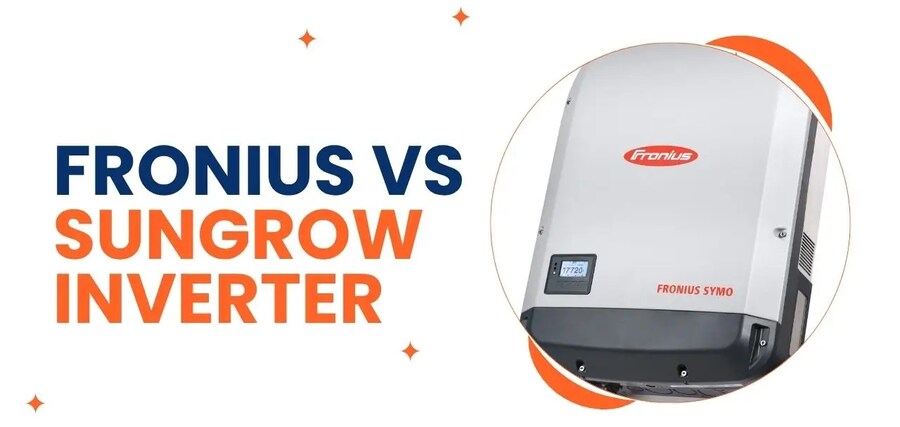
Why the Fronius vs Sungrow Debate Matters in Australia? Choosing the right solar inverter is one of the most significant decisions for homeowners investing in solar panels in Australia. Since the inverter acts as the “brain” of the solar system, comparing Fronius vs Sungrow becomes vital, particularly in a country with harsh heat, high UV exposure, and swiftly increasing energy prices. In this article, we’ll address the factors you’re searching for: Fronius vs Sungrow: Which is Better for Australian Homes? This comparison matters because an inverter intensely affects energy production, system lifespan, noise levels, maintenance costs, and overall return on investment. Many Aussies wonder: Is the premium Fronius worth the extra money? Has Sungrow improved enough to compete with European brands? Which performs better in Australian heat? Which offers longer warranties and better support? You’ll find all the answers below. Overview of Both Brands Fronius and Sungrow are both top-tier solar inverter manufacturers, but they cater to somewhat different priorities. Fronius, an Austrian brand, is widely regarded as a premium choice known for its brilliant build quality, advanced features like active cooling (which makes it slightly noisier), and a strong reputation for long-term reliability and support, often reflected in a higher price. Sungrow, a major global manufacturer from China, offers outstanding value for money, providing very high efficiency (often slightly surpassing Fronius), quieter operation due to passive cooling, and a broad product range at a more budget-friendly price point. Eventually, the choice often comes down to budget and priority: Fronius for those seeking maximum longevity and premium features, and Sungrow for those prioritising affordability and robust performance. Who Is Fronius? Fronius is an Austrian manufacturer known for its finest, durable solar inverters. Established in 1945, it’s appreciated worldwide for its engineering quality, especially in demanding environments. Key characteristics: European build quality Longer lifespan Market-leading efficiency Best known for hot-climate performance Many solar installers frequently claim Fronius as the “gold standard” for residential solar systems. Who Is Sungrow? Sungrow, founded in 1997 in China, is now one of the world’s chief inverter producers. Over the past decade, the company has meaningfully improved its technology, efficiency, and reliability, making it a top mid-range choice for Australian homes. Key characteristics: Affordable pricing High reliability Fast innovation Strong performance in shaded conditions Sungrow also appeals to homeowners who want battery-ready systems without spending a premium. Key Differences Between Fronius and Sungrow Build Quality & Design Feature Fronius Sungrow Origin Austria China Build Strength Excellent Very Good Material Durability High-grade aluminium Sturdy polymer + metal Lifespan 15–20 years 12–15 years Verdict: Fronius wins for build quality, though Sungrow is not far behind in 2025. Cooling Technology Fronius: Uses active cooling with a fan Sungrow: Uses hybrid cooling (mostly passive + occasional fan) Active cooling allows Fronius to maintain top performance even in extreme heat. Efficiency Ratings Fronius: 97.5% to 98.2% Sungrow: 98.0% to 98.4% Sungrow has a slight edge in controlled test conditions. However, real-world performance varies, especially in heat. Performance of Fronius vs Sungrow in the Australian Climate In the harsh Australian climate, both Fronius and Sungrow offer strong performance, but with unlike approaches to managing heat. Fronius inverters are usually favoured for their superior heat management due to their active cooling (fan-based) system, which helps them maintain optimal efficiency of solar system and longevity even during scorching summer days, resulting in less power “derating” at high temperatures. Equally, Sungrow inverters, while often boasting a slightly higher peak efficiency (up to 98.7% in some models), classically use passive cooling, making them quieter and more affordable. However, while designed to withstand the heat, some Sungrow models might experience a somewhat earlier or greater reduction in performance (derating) compared to Fronius inverters when installed in extremely hot, poorly ventilated locations. Ultimately, the choice often depends on the installation environment: Fronius for installations exposed to maximum heat, and Sungrow for those prioritizing a lower cost, quiet operation, and still decidedly efficient performance. Hot Climate Performance Australia gets scorching temperatures, particularly in states like SA, QLD, and NSW. Fronius naturally handles heat better because its cooling system prevents derating. Fronius: Minimal derating even at 45°C Sungrow: Performs well but may slightly reduce output on extremely hot days Coastal & Humid Area Efficiency In coastal towns like Wollongong, Cairns, and Perth: Fronius: Excellent corrosion resistance Sungrow: Very good, especially with newer IP66-rated models Both brands are suitable, but Fronius still has the edge in longevity. Warranty, Service, and Reliability Comparison Standard Warranties Fronius: 10 years standard (extendable) Sungrow: 10 years standard for new models After-sales Service Fronius has a more established service network in Australia. Sungrow’s service has improved significantly and continues expanding. Installer Feedback Installers often prefer Fronius for reliability and fewer warranty claims. However, Sungrow is praised for value and easy installation. Price Comparison: Which One Offers More Value? Cost Breakdown Table System Size Fronius Price Range Sungrow Price Range 5 kW $1,800–$2,300 $1,100–$1,600 6.6 kW $2,000–$2,500 $1,300–$1,800 10 kW $3,200–$3,800 $2,200–$2,900 Verdict: If budget is your priority, Sungrow is the better choice. If long-term value is the priority, Fronius usually wins. Noise Levels, Heat Output & Real-World User Experience Fronius: Known to be somewhat noisy due to its cooling fan. Sungrow: Much quieter, ideal for indoor or garage installations. Both generate moderate heat, but Fronius handles heat better thanks to active cooling. Best Use Cases: Which Inverter Is Better for Which Home Type? For Small Homes Winner: Sungrow Affordable, quiet, and battery-ready. For Large Properties Winner: Fronius Handles high loads and heat better. For Battery-Ready Homes Both brands integrate well with batteries, but Sungrow is more affordable for hybrid systems. Safety, Smart Features & Monitoring Apps Fronius Solar.Web: Best analytics and user experience Sungrow iSolarCloud: Excellent monitoring with real-time updates Safety: Both meet Australian standards, including rapid shutdown and arc detection Environmental Impact & Sustainability Fronius invests heavily in sustainable manufacturing in Europe. Sungrow focuses on large-scale green technology innovation in China. Both brands contribute positively to global renewable energy goals. FAQs Which inverter is