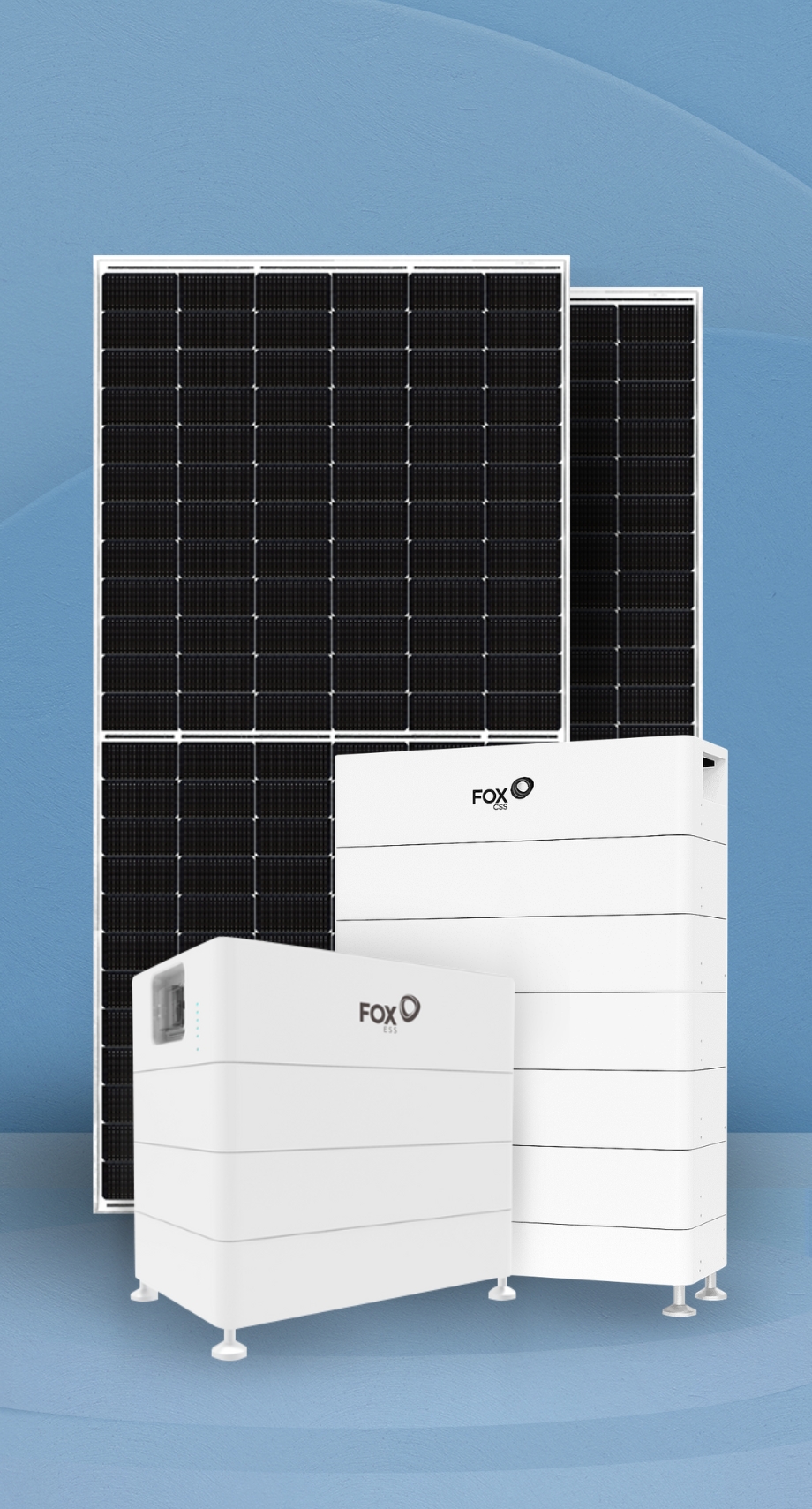
Many Australian homeowners are turning to residential solar power as a practical answer due to the rising cost of electricity and the growing concern for environmental sustainability. One of the most common options for residential installations that may provide a sizable amount of clean energy is a 6.6kW solar system. The possible savings that can be realised by putting in a 6.6kW solar system in Australia will be discussed in this blog.
Is a 6.6kW Solar PV Module Perfect for Your Home?
The 6.6kW solar system is best suited for single-phase residences with inverter capacities up to 5kW and households that use 20kWh of electricity on a daily basis.
The DNSP inverter limitation and power output of the 6.6kW solar system are the two key factors driving its rising popularity in Australia.
The 6.6kW solar PV system is often considered the “sweet spot” for Australian residences because it perfectly balances affordability with the energy needs of most medium-to-large households. This size typically generates 24 to 28 kWh of electricity daily, which is sufficient to drastically offset, or even entirely cover, an average home’s consumption, leading to major reductions in energy bills. Crucially, this system is large enough to produce significant surplus energy for future battery storage, making it an excellent, future-proof investment that maximises grid-connection incentives and enhances energy independence.
1. Restrictions on DNSP inverters:
Australian dwellings typically use single-phase electricity. Sadly, single-phase residences can only install a 5kW inverter according to Distributed Network Service Providers (DNSP). The biggest solar power system you can use with a 5kW inverter is a 6.6kW system if the size of your inverter is increased by 33%. The 6.6 kW system is a good option if you can only use inverters with a maximum range of 5 kW in your single-phase home.
2. Power generated:
The 6.6kW solar system produces 20kWh to 27kWh of electricity each day, depending on where you are in Australia. The 6.6kW solar power system is perfect for an average family of two adults and up to two children who use about 20kWh of electricity per day. You might want to search for a sizable system, such as an 8kW or 10kW system, if you have a pool or ducted air conditioning. Or a 3kW system would be more appropriate if you use less energy than the typical home.
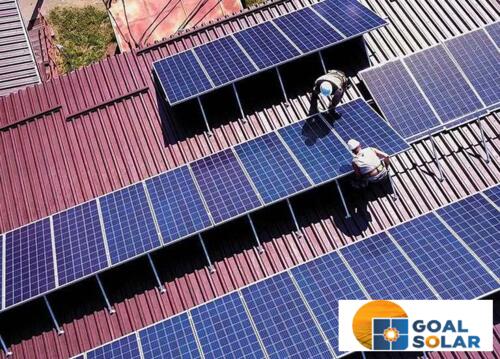
How much can you save with 6.6kW solar panels?
The annual savings from a 6.6kW solar array typically vary between $950 and $2,000 per year. The fantastic news is that you can accumulate lifetime savings of at least $50,000!
Feed-in tariff credits and reduced energy bills account for these savings. These savings are calculated using a variety of factors.
A 6.6kW solar system is highly popular for Australian homes, offering significant annual savings that typically range from $1,500 to $2,500 on electricity bills, though this varies by state and usage habits. This system size produces an average of 24–28 kWh of electricity daily, which is sufficient to cover most or all of an average household’s energy needs during daylight hours.
By maximizing self-consumption, using the power as it is generated and earning credits from feed-in tariffs for excess power, homeowners can often achieve a full return on investment in a relatively short 4-6 year payback period.
Savings on energy costs:
You won’t be enslaved by excessive power costs after you make the move to solar. Your electricity bills will significantly decrease if you produce and use your own energy. Imagine the amount of money you are going to save on your electricity bills after switching to solar.
Credits for feed-in tariffs:
The compensation you get for sending extra electricity to the grid is known as the feed-in tariff. There will be occasions when your system produces more electricity than you require after switching to solar. It all goes to waste if you don’t have batteries to hold the extra energy. Sending it to the grid for some credits is an alternative. Different feed-in tariffs are offered by energy retailers. The more utility your solar power system provides, the greater the feed-in rate for your excess electricity.
Should you get a 6.6kW solar PV module with a battery?
Standard solar systems can only produce electricity during the day. However, if you have battery backup, you can keep your extra supplies in case of bad weather or an emergency. In this way, no matter what time of year it is, it’s like always having a second source of electricity. Therefore, getting a battery along with your solar system is strongly advised. You can obtain feed-in tariffs if you create more electricity than you require and feed it back into the system.
Conclusion:
A 6.6kW solar system offers one of the best balances between affordability, efficiency, and energy output for Australian households. With the right installation and quality components, it can significantly reduce your electricity bills often saving thousands of dollars over its lifetime while increasing your energy independence. Combined with government incentives and Australia’s abundant sunshine, a 6.6kW solar system is a smart, sustainable investment that delivers both financial and environmental benefits for years to come.