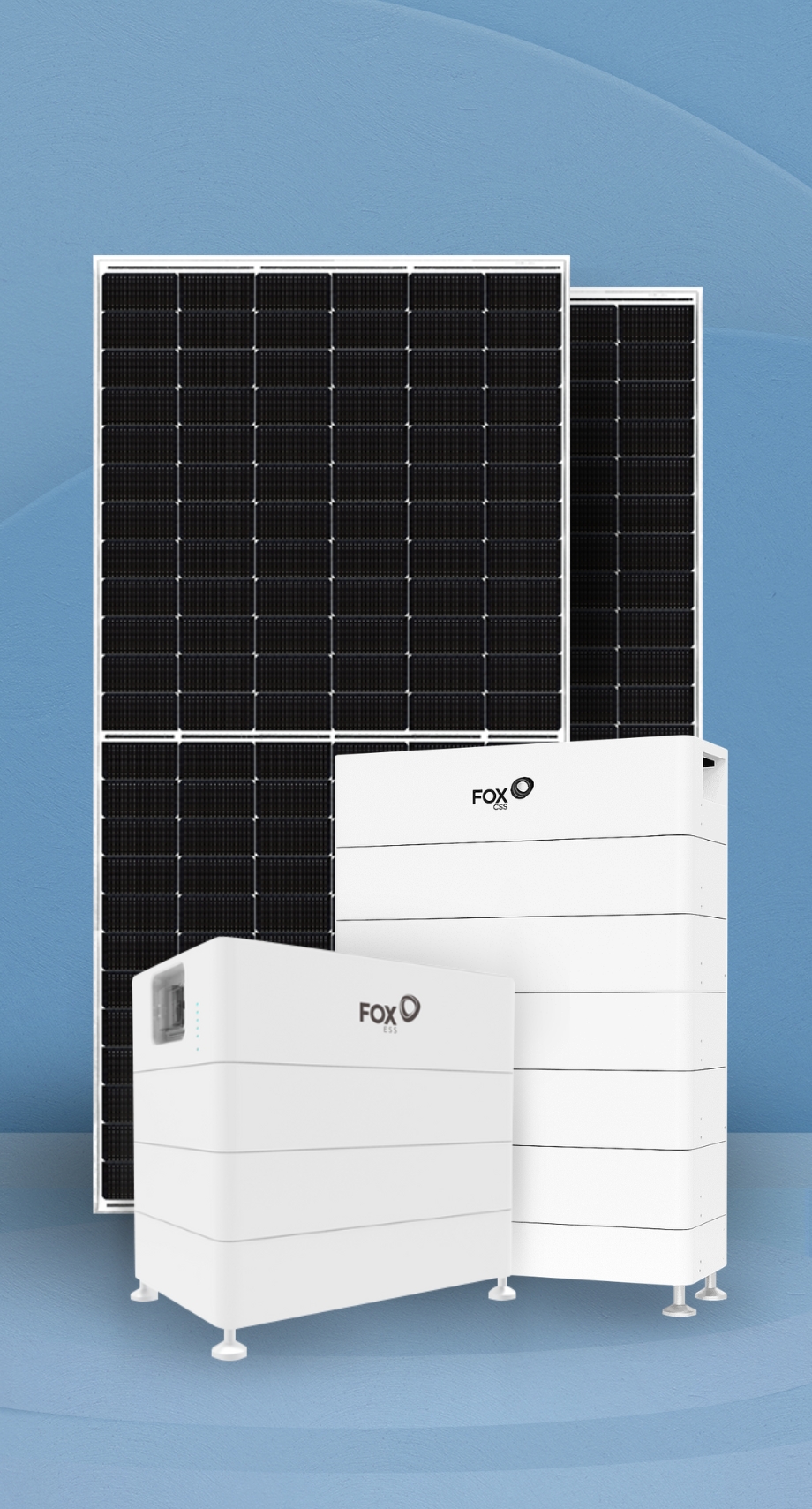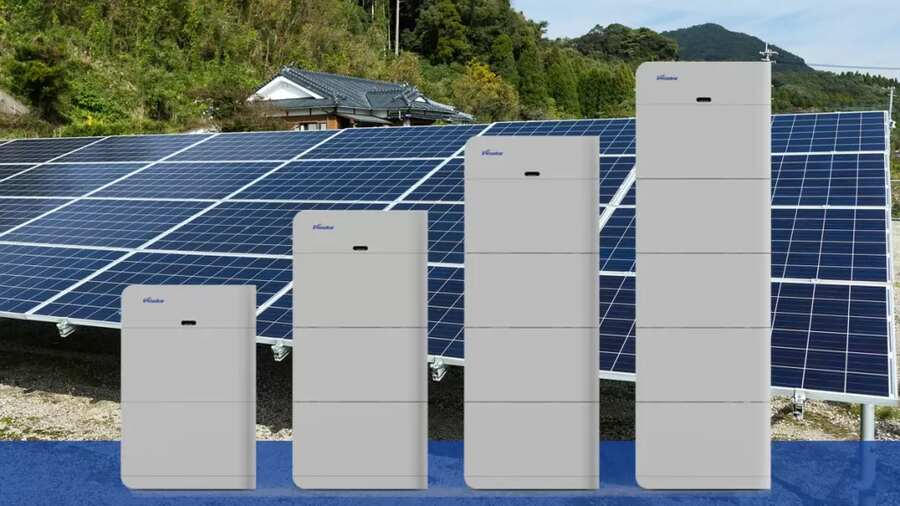
Australia is one of the brightest countries in the world, yet electricity prices persist among the highest. This is precisely why many homeowners are now asking a smart question: how does a solar battery with a solar system help you maximise savings in Australia?
The answer lies in energy independence, smarter power usage, and long-term financial planning. When you syndicate solar panels with a solar battery, you are no longer just producing electricity, you are controlling when and how you use it.
This all-inclusive guide explains, in clear and humble terms, how a solar battery paired with a solar system can meaningfully reduce your electricity bills, protect you from future price hikes, and increase the return on your solar investment.
Understanding Australia’s Electricity Cost Challenge
Australian households have seen electricity prices rise gradually over the past decade. Network charges, wholesale market volatility, and highest demand pricing all contribute to higher bills. Even homes with solar panels still rely heavily on the grid during evenings when energy is most expensive.
Feed-in tariffs, the amount you are paid for exporting surplus solar power, have dropped suggestively. In many states, households earn only a few cents per kilowatt-hour, while paying up to 40–50 cents during peak usage times. This imbalance creates the flawless case for battery storage.
What Is a Solar Battery and How Does It Work?
A solar battery stores surplus electricity produced by your solar panels during the day. Instead of sending unused power to the grid, the battery saves it for later use, classically in the evening or early morning.
Key functions include:
- Charging from solar panels during daylight hours
- Supplying stored energy when solar generation stops
- Reducing grid electricity consumption
- Providing backup power during outages (for compatible systems)
Prevalent lithium-ion batteries are compact, efficient, and designed to last 10–15 years with minimal maintenance.
Why Solar Panels Alone Are No Longer Enough?
Solar panels are outstanding at generating power, but most Australian households use the mainstream of their electricity outside daylight hours. Without a battery, excess energy is exported at low rates and then repurchased later at much higher prices.
This limits savings potential. Adding a battery transforms your solar system from a fractional solution into a wide-ranging energy strategy.
This is where the real financial advantage becomes clear. Let’s break down accurately how a solar battery with a solar system helps you maximise savings in Australia.
Store Excess Solar Energy Instead of Exporting It
Instead of selling surplus energy back to the grid for minimal returns, a battery permits you to store that power and use it later. Every kilowatt-hour you consume from your battery is one you don’t buy from your energy retailer. Over a year, this alone can save hundreds to thousands of dollars, depending on usage.
Reduce Reliance on the Grid During Peak Tariffs
Electricity prices are maximum during the evening peak period. A solar battery supplies energy precisely when grid power is most expensive. By avoiding peak tariffs, households can intensely lower their quarterly bills and gain improved control over household expenses.
Increase Solar Self-Consumption Rates
Without a battery, many homes only use 30–40% of the solar energy they produce. With a battery, self-consumption can rise to 70–90%.
Higher self-consumption means:
- Faster return on investment
- Lower exposure to energy price changes
- Greater overall system efficiency
Protect Against Power Outages
Blackouts are becoming more frequent due to extreme weather and grid stress. A solar battery provides backup power for crucial appliances like lights, refrigerators, Wi-Fi, and medical equipment. While this benefit is not always measured in dollars, it adds real value and peace of mind.
Shield Yourself from Rising Energy Prices
Electricity prices in Australia are anticipated to continue rising. A solar battery acts as a hedge against these upsurges by locking in your own energy supply. The more prices rise, the more appreciated your stored solar energy becomes.
Government Rebates and Incentives in Australia
Australian households can meaningfully reduce upfront costs through state-based incentives.
Examples include:
- Victoria’s Solar Battery Rebate
- NSW Empowering Homes Program
- Interest-free loans and subsidies in selected regions
These incentives can cut battery costs by thousands of dollars. You can check current programs through official government resources such as the Australian Government’s energy website: https://www.energy.gov.au
Solar Battery Payback Period Explained
The payback period depends on:
- Battery size and cost
- Household energy usage
- Electricity tariffs
- Available rebates
In many Australian households, payback ranges from 6 to 10 years, while battery lifespans often exceed 10–15 years. After payback, the savings are basically pure financial gain.
Best Australian Households for Solar Batteries
In 2025, Australia has solidified its position as a global leader in residential renewable energy, with over 4.2 million households now using rooftop solar. The emphasis for Australian families has shifted toward solar batteries to maximise energy independence and combat rising electricity costs.
Here are a few key points regarding the current state of solar batteries in Australian households:
- Massive Uptake in 2025: Following the launch of the Federal Government’s “Cheaper Home Batteries Program” in July 2025, battery installations have surged. In just the first few months of the program, tens of thousands of systems were installed as the rebate made storage financially viable for a much larger portion of the population.
- Generous Incentives: Eligible households can currently access a discount of approximately 30% off the upfront cost of a battery. For a standard 10kWh system, this typically translates to a saving of around $3,100 to $3,400, with some states offering additional “stackable” rebates or interest-free loans that can further reduce the net cost.
- Virtual Power Plants (VPPs): Many households are now joining VPPs, where their batteries are networked together to support the grid during peak demand. In exchange, homeowners receive financial credits or lower power rates, effectively turning their home into a mini power station.
- Energy Resilience: Beyond savings, batteries provide Australian homes with vital protection against blackouts, which is increasingly important in regions prone to extreme weather. Modern “islandable” systems allow homes to remain powered by stored solar energy even when the main grid goes down.
Solar batteries are especially beneficial for:
- Families with high evening energy use
- Homes with air conditioning or electric heating
- Remote or regional properties
- Households planning future electric vehicle ownership
Even smaller households can benefit when energy usage patterns align with battery storage.
Environmental Benefits That Add Financial Value
Beyond direct savings, batteries aid reduce reliance on fossil-fuel-powered electricity during peak demand. This lowers carbon emissions and supports Australia’s clean energy transition. Some energy retailers also offer incentives or better plans for homes with battery storage, adding another layer of value.
Common Myths About Solar Batteries
Myth 1: Batteries are too expensive
Reality: Rebates and falling prices have made them far more accessible.
Myth 2: Batteries don’t last long
Reality: Modern batteries often come with 10-year warranties.
Myth 3: You must go off-grid
Reality: Most systems remain grid-connected for flexibility and reliability.
FAQs About Solar Battery with Solar System
-
How does a solar battery with a solar system help you maximise savings in Australia?
By storing excess solar energy, reducing grid reliance, avoiding peak tariffs, and increasing self-consumption, households significantly cut electricity bills.
-
Are solar batteries worth it in Australia?
Yes, especially with high power prices, improved battery lifespan, and government incentives.
-
How long does a solar battery last?
Most lithium-ion batteries last 10–15 years depending on usage and quality.
-
Can a solar battery power my whole house?
It depends on battery size and energy usage. Many systems cover essential loads effectively.
-
Do I still need the grid with a battery?
Most households stay grid-connected for backup and flexibility, though grid reliance is greatly reduced.
-
What size battery is best for Australian homes?
Typically between 6kWh and 13kWh, depending on household size and consumption patterns.
Conclusion: Is a Solar Battery Worth It in Australia?
For many homeowners, the answer is a clear yes. Understanding how a solar battery with a solar system helps you maximise savings in Australia reveals that the benefits go far beyond lower bills. You gain energy independence, protection from rising prices, and long-term financial security.
With lavish sunlight, supportive government policies, and improving technology, Australia is one of the best places in the world to invest in solar battery storage. For households serious about maximising savings, a solar battery is no longer a luxury, it’s a smart financial decision.