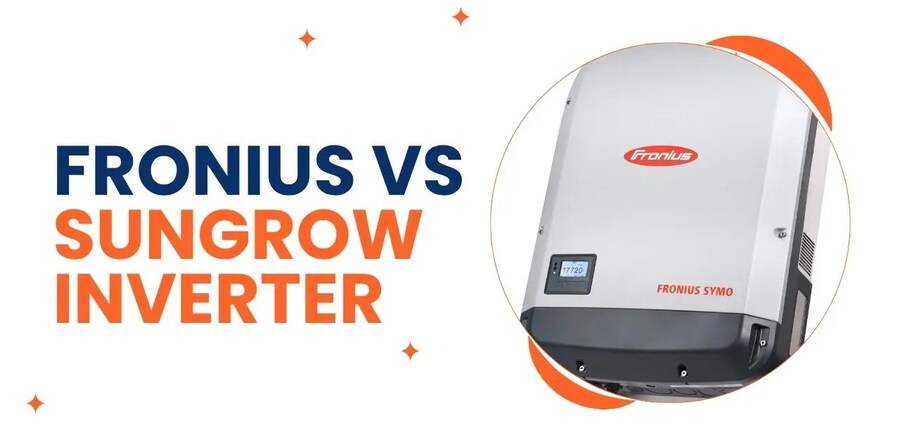
Why the Fronius vs Sungrow Debate Matters in Australia?
Choosing the right solar inverter is one of the most significant decisions for homeowners investing in solar panels in Australia. Since the inverter acts as the “brain” of the solar system, comparing Fronius vs Sungrow becomes vital, particularly in a country with harsh heat, high UV exposure, and swiftly increasing energy prices.
In this article, we’ll address the factors you’re searching for: Fronius vs Sungrow: Which is Better for Australian Homes? This comparison matters because an inverter intensely affects energy production, system lifespan, noise levels, maintenance costs, and overall return on investment.
Many Aussies wonder:
- Is the premium Fronius worth the extra money?
- Has Sungrow improved enough to compete with European brands?
- Which performs better in Australian heat?
- Which offers longer warranties and better support?
You’ll find all the answers below.
Overview of Both Brands
Fronius and Sungrow are both top-tier solar inverter manufacturers, but they cater to somewhat different priorities. Fronius, an Austrian brand, is widely regarded as a premium choice known for its brilliant build quality, advanced features like active cooling (which makes it slightly noisier), and a strong reputation for long-term reliability and support, often reflected in a higher price.
Sungrow, a major global manufacturer from China, offers outstanding value for money, providing very high efficiency (often slightly surpassing Fronius), quieter operation due to passive cooling, and a broad product range at a more budget-friendly price point.
Eventually, the choice often comes down to budget and priority: Fronius for those seeking maximum longevity and premium features, and Sungrow for those prioritising affordability and robust performance.
Who Is Fronius?
Fronius is an Austrian manufacturer known for its finest, durable solar inverters. Established in 1945, it’s appreciated worldwide for its engineering quality, especially in demanding environments.
Key characteristics:
- European build quality
- Longer lifespan
- Market-leading efficiency
- Best known for hot-climate performance
Many solar installers frequently claim Fronius as the “gold standard” for residential solar systems.
Who Is Sungrow?
Sungrow, founded in 1997 in China, is now one of the world’s chief inverter producers. Over the past decade, the company has meaningfully improved its technology, efficiency, and reliability, making it a top mid-range choice for Australian homes.
Key characteristics:
- Affordable pricing
- High reliability
- Fast innovation
- Strong performance in shaded conditions
Sungrow also appeals to homeowners who want battery-ready systems without spending a premium.
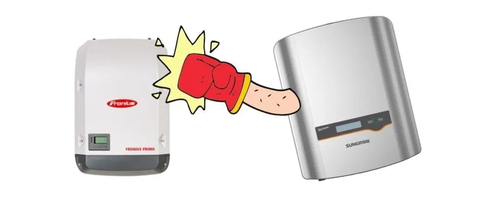
Key Differences Between Fronius and Sungrow
Build Quality & Design
| Feature | Fronius | Sungrow |
| Origin | Austria | China |
| Build Strength | Excellent | Very Good |
| Material Durability | High-grade aluminium | Sturdy polymer + metal |
| Lifespan | 15–20 years | 12–15 years |
Verdict: Fronius wins for build quality, though Sungrow is not far behind in 2025.
Cooling Technology
- Fronius: Uses active cooling with a fan
- Sungrow: Uses hybrid cooling (mostly passive + occasional fan)
Active cooling allows Fronius to maintain top performance even in extreme heat.
Efficiency Ratings
- Fronius: 97.5% to 98.2%
- Sungrow: 98.0% to 98.4%
Sungrow has a slight edge in controlled test conditions. However, real-world performance varies, especially in heat.
Performance of Fronius vs Sungrow in the Australian Climate
In the harsh Australian climate, both Fronius and Sungrow offer strong performance, but with unlike approaches to managing heat. Fronius inverters are usually favoured for their superior heat management due to their active cooling (fan-based) system, which helps them maintain optimal efficiency of solar system and longevity even during scorching summer days, resulting in less power “derating” at high temperatures.
Equally, Sungrow inverters, while often boasting a slightly higher peak efficiency (up to 98.7% in some models), classically use passive cooling, making them quieter and more affordable. However, while designed to withstand the heat, some Sungrow models might experience a somewhat earlier or greater reduction in performance (derating) compared to Fronius inverters when installed in extremely hot, poorly ventilated locations.
Ultimately, the choice often depends on the installation environment: Fronius for installations exposed to maximum heat, and Sungrow for those prioritizing a lower cost, quiet operation, and still decidedly efficient performance.
Hot Climate Performance
Australia gets scorching temperatures, particularly in states like SA, QLD, and NSW. Fronius naturally handles heat better because its cooling system prevents derating.
- Fronius: Minimal derating even at 45°C
- Sungrow: Performs well but may slightly reduce output on extremely hot days
Coastal & Humid Area Efficiency
In coastal towns like Wollongong, Cairns, and Perth:
- Fronius: Excellent corrosion resistance
- Sungrow: Very good, especially with newer IP66-rated models
Both brands are suitable, but Fronius still has the edge in longevity.
Warranty, Service, and Reliability Comparison
Standard Warranties
- Fronius: 10 years standard (extendable)
- Sungrow: 10 years standard for new models
After-sales Service
Fronius has a more established service network in Australia. Sungrow’s service has improved significantly and continues expanding.
Installer Feedback
Installers often prefer Fronius for reliability and fewer warranty claims. However, Sungrow is praised for value and easy installation.
Price Comparison: Which One Offers More Value?
Cost Breakdown Table
| System Size | Fronius Price Range | Sungrow Price Range |
| 5 kW | $1,800–$2,300 | $1,100–$1,600 |
| 6.6 kW | $2,000–$2,500 | $1,300–$1,800 |
| 10 kW | $3,200–$3,800 | $2,200–$2,900 |
Verdict:
If budget is your priority, Sungrow is the better choice. If long-term value is the priority, Fronius usually wins.
Noise Levels, Heat Output & Real-World User Experience
- Fronius: Known to be somewhat noisy due to its cooling fan.
- Sungrow: Much quieter, ideal for indoor or garage installations.
Both generate moderate heat, but Fronius handles heat better thanks to active cooling.
Best Use Cases: Which Inverter Is Better for Which Home Type?
For Small Homes
- Winner: Sungrow
Affordable, quiet, and battery-ready.
For Large Properties
- Winner: Fronius
Handles high loads and heat better.
For Battery-Ready Homes
Both brands integrate well with batteries, but Sungrow is more affordable for hybrid systems.
Safety, Smart Features & Monitoring Apps
- Fronius Solar.Web: Best analytics and user experience
- Sungrow iSolarCloud: Excellent monitoring with real-time updates
- Safety: Both meet Australian standards, including rapid shutdown and arc detection
Environmental Impact & Sustainability
Fronius invests heavily in sustainable manufacturing in Europe. Sungrow focuses on large-scale green technology innovation in China. Both brands contribute positively to global renewable energy goals.
FAQs
-
Which inverter is better for Australian heat?
Fronius performs slightly better due to its active cooling system.
-
Is Sungrow reliable for long-term use?
Yes. Recent Sungrow models are highly reliable and come with 10-year warranties.
-
Does Fronius work better with batteries?
Both brands support batteries, but Sungrow hybrid inverters are more affordable.
-
Why is Fronius more expensive?
Premium components, European build, and exceptional hot-climate performance.
-
Which inverter is quieter?
Sungrow. Fronius can be noisy due to its internal fan.
-
Which brand has better monitoring apps?
Fronius has more advanced analytics, but Sungrow offers clean, user-friendly monitoring.
Conclusion
The choice between Fronius and Sungrow ultimately comes down to a balance of budget vs. premium features and longevity.
- Fronius is the premium, long-term investment. Its Austrian engineering, active cooling system, and decades of proven reliability make it the preferred choice for those who prioritize maximum durability, robust performance in extreme heat, and are willing to pay a higher upfront price for a more established brand.
- Sungrow is the high-value, highly efficient powerhouse. As one of the largest global manufacturers, it offers comparable, and often slightly higher, peak efficiency, quiet operation, and strong performance—all at a significantly more competitive price point. It’s an excellent choice for budget-conscious buyers seeking rapid return on investment without sacrificing quality.
Both brands offer a standard 10-year warranty and are considered among the top-tier inverters in the Australian market, making either a reliable choice for your solar system.
When comparing Fronius vs Sungrow: Which is Better for Australian Homes?, the answer depends on your priorities.
If you want:
- Maximum lifespan
- Best performance in hot weather
- Premium build quality
→ Choose Fronius.
If you want:
- Great value for money
- Quiet operation
- Battery-ready affordability
→ Choose Sungrow.
Both are exceptional choices, but your home type, location, and budget will finally determine the best fit.