Why EV Charging Matters Now More Than Ever in Australia?
Australia is shifting gears toward a clean-energy future, and at the heart of this transition lies the rapid evolution of EV charging infrastructure.
In 2025, The Future Trends of EV Chargers in Australia are not just about technology, they’re about shaping a sustainable economy, reducing carbon emissions, and building smarter cities.
As more Australians ditch petrol vehicles for electric mobility, EV chargers are becoming as essential as traditional fuel stations. With improved affordability, faster charging speeds, and government-led innovation, the EV charging sector is entering a transformational era.
Australia’s EV Market Growth in 2025
Australia’s Electric Vehicle (EV) market is entering a phase of rapid acceleration in 2025, driven significantly by the introduction of the new Vehicle Efficiency Standard (NVES), which compels manufacturers to increase their supply of low-emission models.
This policy shift, combined with federal incentives like the Fringe Benefits Tax (FBT) exemption, is fueling growth that is forecast by some to see EV sales account for over 10% of all new car sales.
Furthermore, a growing range of more affordable models and the progressive expansion of the national fast-charging network are crucial factors in easing consumer range anxiety and making electric ownership increasingly accessible across Australian states.
Electric vehicle uptake in Australia is skyrocketing. By 2025:
- EVs represent over 18–22% of new vehicle sales.
- Major cities like Sydney, Melbourne, and Brisbane are rolling out city-wide charging policies.
- Fleet electrification has become a priority for corporates and government agencies.
This rapid adoption has created massive demand for advanced EV charger networks, from home chargers to ultra-rapid DC charging hubs.
Australian Government Policies Driving EV Charger Adoption
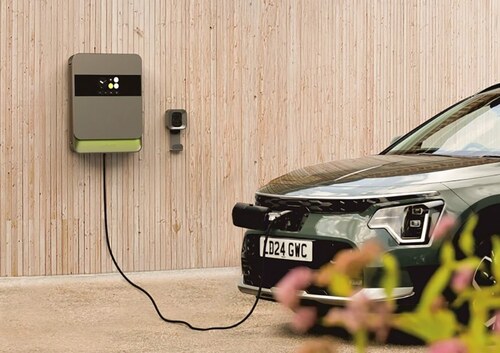
The Australian government is employing a multi-faceted approach to accelerate EV charger adoption, primarily through targeted grants and strategic national consistency.
The Driving the Nation Fund supports programs like the DRIVEN Charger Rebate Stream, which financially assists automotive dealerships and repairers in installing chargers, boosting public visibility and industry readiness.
Furthermore, the National Electric Vehicle Strategy is focused on establishing minimum operating standards for public charging infrastructure, ensuring drivers experience reliable and interoperable charging across the country.
This federal push, coupled with state-level co-funding schemes for businesses and public sites, is rapidly building out the charging network necessary to support increasing EV sales.
Australian federal and state governments are aggressively supporting EV infrastructure growth.
National EV Strategy
Australia’s National EV Strategy includes:
- Funding public charging networks through ARENA.
- Mandating EV-ready building codes.
- Providing incentives for EV charger installation.
State-Level Incentives
Different states offer unique benefits:
- Victoria: $3,000 EV rebate + charging infrastructure grants
- NSW: Stamp duty waivers + 500+ new fast chargers
- Queensland: Electric Super Highway expansion
- WA: $22.6M charging network rollout
Government support ensures businesses, homeowners, and fleet operators have every reason to switch to EV charging solutions.
Types of EV Chargers Dominating the Market
The EV charger market is primarily dominated by two core types: Level 2 AC chargers and DC Fast Chargers (Level 3). Level 2 AC chargers are the reliable workhorse, dominating residential, workplace, and destination charging due to their lower installation cost and suitability for extended parking periods.

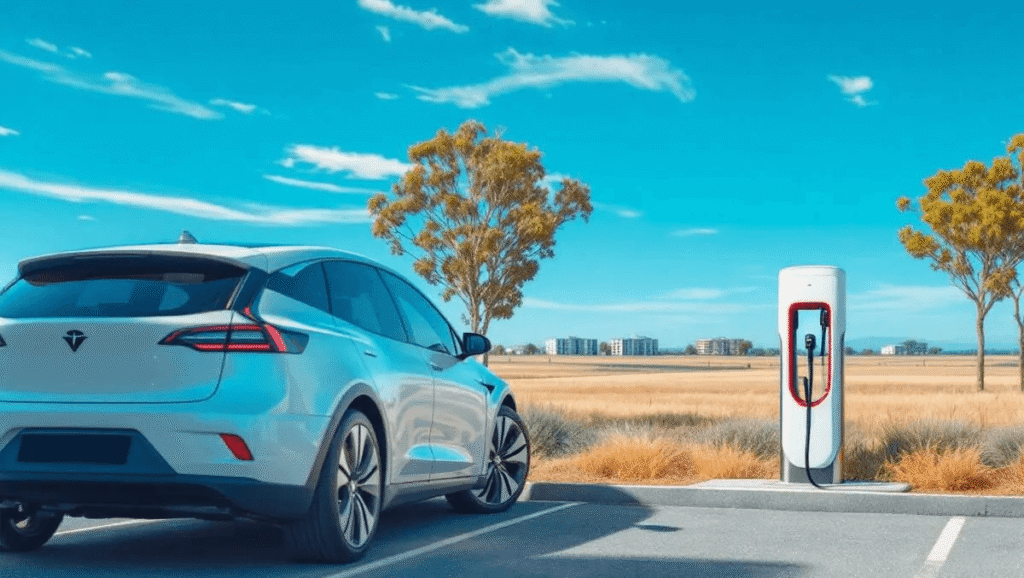
Conversely, DC Fast Chargers, which bypass the vehicle’s onboard converter to deliver power rapidly, are crucial for public charging along highways and in high-turnover commercial areas, rapidly adding significant range in minutes.
Globally, the widespread adoption of Type 2 and CCS (Combined Charging System) connectors is standardizing infrastructure, although the high-speed deployment of DCFC is the key trend supporting long-distance EV travel.
As infrastructure expands, several charger types are gaining traction:
AC Chargers
- Popular for homes and workplaces
- Slow to moderate charging speed
- Affordable and energy-efficient
DC Fast Chargers
- Ideal for highways and public stations
- Can charge EVs up to 80% in 20–40 minutes
- Essential for long-distance travel
Ultra-Rapid Charging Technology
- 150kW to 350kW chargers
- Delivers 7–10x faster charging compared to AC units
- Supports high-performance EVs like Tesla, BYD, Kia EV6
These technologies will shape Australia’s EV charging ecosystem in 2025 and beyond.
Smart EV Charging Systems: The Future Is Intelligent
Smart charging is revolutionizing how Australians power their EVs.
IoT Integration
IoT-connected chargers allow:
- Remote monitoring
- Predictive maintenance
- Usage analytics and performance tracking
Smart Billing & Load Management
- Dynamic pricing
- Efficient energy distribution
- Prevents grid overload
These features make charging more convenient and cost-effective.
Trends Shaping the Future of EV Chargers in Australia
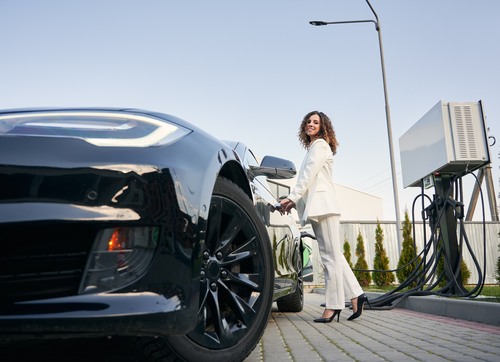
The future of EV charging in Australia is being defined by a transition to smart, grid-integrated solutions. This involves the widespread adoption of Vehicle-to-Grid (V2G) technology, which allows EVs to function as mobile batteries that can feed surplus energy, often harvested from Australia’s abundant rooftop solar, back into the grid during peak demand.
Furthermore, smart charging platforms are becoming standard, enabling dynamic load balancing and optimising charging times to off-peak periods, thereby supporting grid stability and reducing consumer electricity costs.
Finally, the rapid deployment of ultra-fast public charging stations and innovative solutions for apartment and regional areas are key trends aimed at eliminating range anxiety and ensuring equitable access across the country.
Here’s where the future gets exciting.
Bidirectional Charging (V2G & V2H)
Bidirectional chargers allow EVs to:
- Power homes (V2H)
- Support the grid during peak hours (V2G)
This turns EVs into mobile power banks.
Wireless Charging for EVs
- No cables required
- Perfect for public parking, shopping centers, and fleets
- Currently in pilot stages across NSW and Victoria
Solar-Powered Public Charging Stations
Combining solar with battery storage makes Australia’s charging infrastructure:
- Eco-friendly
- Grid-independent
- Highly efficient
Battery Swapping Infrastructure
Although early, battery swapping offers:
- 2-minute battery replacement
- Lower EV upfront costs
India and China are pioneering this trend, and Australia is slowly following.
The Role of Renewable Energy in EV Charging
Solar + EV Integration
Australia’s strong solar adoption makes home EV charging affordable.
Benefits include:
- Lower electricity bills
- Zero-emission driving
- Daytime charging maximizes solar generation
Grid Stability & Microgrids
Microgrids support remote areas by:
- Balancing load
- Reducing blackout risks
- Supporting rapid charger deployment
Growth of Public Charging Networks in Australia
Australia’s public charging ecosystem is booming.
Key Industry Players
- Chargefox
- Evie Networks
- Tesla Superchargers
- Jolt
- BP Pulse
Infrastructure Expansion Statistics
By the end of 2025:
- Over 9,000+ public chargers
- 1,500+ fast chargers nationwide
- 200+ new charging locations added monthly
Commercial & Residential EV Charging Adoption in Australia

In Australia, residential charging is the dominant method for EV owners, driven by the convenience of overnight charging, the affordability of off-peak electricity, and high rates of rooftop solar integration.
Meanwhile, commercial adoption is accelerating, heavily influenced by government incentives like the FBT exemption, which rapidly increases fleet electrification.
Commercial property owners, including retail centres and logistics hubs, are increasingly installing faster chargers to attract EV-driving customers and secure their property’s future-proofing value as charging becomes a critical amenity.
Home Chargers
Home charging still accounts for 70% of total EV charging.
Why?
- Convenience
- Low-cost installation
- Solar integration
Workplace EV Charging
Businesses are adopting EV chargers to:
- Support employee EV usage
- Enhance ESG compliance
- Reduce fleet costs
This trend will continue growing through 2030.
Challenges Facing EV Charger Expansion in Australia
Challenges to EV charger expansion in Australia primarily revolve around grid capacity and infrastructure gaps. Many local distribution grids were not designed to handle the simultaneous, high-power demands of rapid charging, leading to potential congestion and costly network upgrades, especially in peak periods.
Furthermore, Australia’s vast geography creates a significant hurdle for rolling out reliable charging infrastructure across sparse regional and remote areas, contributing to consumer ‘charger anxiety’, the fear of encountering an unavailable or inoperable public station.
Finally, regulatory and installation complexities, particularly in apartment buildings and older commercial sites, often slow down or prohibit the installation of necessary private charging facilities.
Grid Load Issues
High demand may strain the national grid without:
- Smart load balancing
- Renewable integration
- Energy storage systems
High Installation Costs
DC chargers are expensive due to:
- High power requirements
- Infrastructure upgrades
- Regulatory approvals
Despite challenges, the overall momentum remains strong.
Future Projections: What Australia Will Look Like by 2030
By 2030, Australia is expected to have:
- EVs accounting for 50% of car sales
- Nationwide ultra-fast charging every 100 km
- Widespread V2G adoption
- Over 20,000 public chargers
- 100% EV-ready new buildings
Australia’s EV future looks brighter, smarter, and more sustainable than ever.
FAQs
-
How fast will EV charging technology evolve in Australia?
Very fast & ultra-rapid chargers and wireless charging will become mainstream by 2030.
-
Is it expensive to install a home EV charger?
Not really. Basic AC chargers cost between $800 to $2,500 depending on installation needs.
-
Are EV chargers safe to use during rain?
Yes, all modern chargers are weatherproof and certified for outdoor conditions.
-
Will public EV chargers be enough as EV adoption increases?
Yes, massive government investments ensure continuous expansion.
-
What is the biggest challenge for EV charging in Australia?
Grid capacity and high installation costs, especially for remote ultra-fast chargers.
In Conclusion :
The future of EV charging in Australia is shaping a greener, smarter, and more connected tomorrow. From advanced charging technologies and renewable integration to government-backed growth, Australia is well on its way to becoming a global leader in electric mobility.