Best Solar Suppliers in Australia: A Comprehensive Guide

Australia is one of the sunniest countries in the world, and that makes it a prime contender for solar energy. Over recent years, rooftop solar adoption has surged suggestively, driven by decreasing panel costs, stronger government incentives, and increasing environmental awareness. But with so many solar suppliers in the Australian market, it can be tough for homeowners and businesses to figure out who to trust. In this post, we’ll discover the best solar suppliers in Australia, what makes a supplier “good,” and some top names in 2025. What Does “Best Solar Suppliers in Australia” Mean? A solar supplier is a business that furnishes the vital components and materials essential to construct and install a solar energy system. They chiefly serve as the distributor of equipment, acting as the intermediary between manufacturers and the installers or end-users. The key items they supply naturally include solar panels, inverters, mounting hardware, and often energy storage solutions like batteries. When we talk about solar suppliers, it’s usually a combination of: Panel Manufacturers – Companies that produce solar modules (panels) Inverter Manufacturers – Firms that make the inverters (DC → AC) used in solar systems Installers / Retailers – Local Australian companies that sell, design, or install solar systems A good solar supplier isn’t just about brand; it’s about the quality of equipment, warranty, installation service, and long-term support. Key Factors to Look for When Choosing a Solar Supplier in Australia When choosing a solar supplier, prioritise the eminence and brand reputation of the components, ensuring they are certified and come with long-term, inclusive warranties (typically 25 years for panels). It is decisive to verify the supplier’s financial stability and track record to confirm they will remain in business to honour any assurances over the lifespan of the system. Finally, evaluate their technical support and after-sales service, as consistent assistance is vigorous for the long-term performance and maintenance of your solar investment. Here are some critical factors to evaluate when choosing solar suppliers in Australia: Accreditation: Make sure your installer is accredited by the Clean Energy Council (CEC). Without this, you may not be eligible for rebates. Warranty: Check both the product warranty (panels) and workmanship warranty. Performance / Efficiency: Higher-efficiency panels generate more power but often cost more. Reputation & Reviews: Look for companies with good customer satisfaction, + ratings. Canstar Blue, for instance, tracks satisfaction of solar installers in Australia. Local Support & Service: Suppliers with local warehouses or service centers are generally more reliable when it comes to maintenance or replacing faulty parts. Financial Incentives: Make sure your supplier is knowledgeable about current federal and state-level solar incentives. Top Solar Panel Brands (Manufacturers) in Australia Australia’s solar market is dominated by numerous globally recognised manufacturers known for high efficiency and reliability. Leading brands frequently recommended and installed include Jinko Solar, Trina Solar, and LONGi, which are often cited for offering a prodigious balance of performance and value. For premium options, companies like SunPower (Maxeon) and REC Group are decidedly regarded for their top-tier efficiency, all-inclusive warranties, and outstanding durability in the demanding Australian climate. Here are some of the most reputable solar panel brands active in the Australian market, based on performance, warranties, and availability: SunPower (Maxeon) Known for very high efficiency and durability. Long warranties: up to 40 years on certain Maxeon panels. REC Solar Strong reputation in the mid-to-premium segment. Their “Alpha Pure” series is especially well-regarded. Qcells German-engineered, good durability, and ~25-year warranty. They’ve become very popular in Australia. Jinko Solar One of the largest module manufacturers in the world. Strong presence in Australia, with good local support. LONGi Solar Known for mono-crystalline technology, cost-effective, reliable. Very popular for both residential and commercial installations. Aiko Solar They produce high-efficiency “N-type” modules that are well-suited for high performance. According to recent reviews, Aiko panels deliver excellent value. Leading Solar Installers / Retailers in Australia While panel brands are crucial, who installs your system is equally important. Here are some of the best solar companies in Australia (installers / retailers): Solargain According to Canstar Blue, Solargain is rated very highly in terms of customer satisfaction. They operate in multiple states and provide both residential and commercial solar solutions. SunBoost A large national company, with a significant number of installations. They offer a range of high-quality brands and guarantee performance through warranties. Esteem Energy Known for efficient installation turnaround and good after-sales service. They also provide strong warranties and transparent pricing. Independent / Specialty Installers According to SunWiz, some of the best-rated local solar retailers include Penrith Solar, Solar Air Energy, Rescom Solar, and Sunny Sky Solar. These smaller/local operators can sometimes offer more personalised service and flexibility. Trends & Developments in the Australian Solar Market The Australian solar market is undergoing healthy growth, driven by a national push toward the goal of 82% renewable electricity by 2030. A major trend is the accelerated uptake of home battery storage solutions, as consumers pursue greater energy independence and the ability to maximise their rooftop solar savings during peak times. Furthermore, there is an emphasis on improving grid stability through “smart” inverters and dynamic export limits to manage the huge amount of distributed solar power, alongside noteworthy investment in utility-scale solar farms paired with large-scale battery projects. Here are some current trends and important developments in Australia’s solar landscape: Rising Rooftop Deployment: Rooftop solar capacity in Australia continues to grow strongly, with more households and small businesses investing in solar. Waste / Recycling Concern: A growing issue is solar panel waste; without a strong recycling infrastructure, end-of-life panels may end up in a landfill. Local Manufacturing: There are plans and projects to increase domestic solar manufacturing. For example, a 2 GW ingot and wafer manufacturing facility is being planned in Townsville. Commercial Scale Growth: Utility-scale solar farms continue expanding, and companies like EDP Renewables are increasingly investing in large-scale projects. Tips for Choosing the Right Solar Supplier for You in Australia To hand-pick the best solar supplier in Australia, prioritise their
Buy 20kW Solar System – Pricing And Output in Australia

With payback periods ranging from three to five years in the majority of the country, 20kW solar systems is becoming an increasingly appealing and worthwhile venture for small to medium businesses (or families with very big energy use) throughout Australia. An overview of the pricing, energy yields (in kWh), and financial returns that a business can anticipate from a standard 20kW solar PV system is given in this article. What Is The Price Of A 20kw Solar Systems? Data indicates that, as of July 2023, the cost of a fully completed 20kW system will be between $15,000 and $20,000. These numbers reflect GST in addition to the upfront “discount” or incentive offered under the federal government’s Renewable Energy Target for systems with less than 100kW of output capacity. Clean and inexpensive energy is well within the reach of SMEs under increasing pressure from rising grid electricity prices, with prices in this range. What Is The Estimated Energy Output Of A 20kw Solar Systems? An estimated 20kW solar system is a powerful setup capable of supporting large residential properties or medium-sized businesses. On average, a system of this size generates between 80 and 100 kWh (units) of electricity per day. The actual power output of a 20kW solar power system will differ based on several factors. Among these variables are: The system’s geographic location, along with the anticipated levels of cloud cover and solar radiation on a daily and annual basis Angle of tilt and orientation of the solar panel array Whether the panels are shaded in any way The panels’ actual working temperature Whether the capacity of the solar panel array and the inverter are precisely matched The functionality of the separate parts, such as the inverter and the panels Is A 20kw Solar Systems The Appropriate Size For Your Company? Finding the ideal solar system size for your company mostly depends on three factors: Roof space needed: Depending on the panel wattage and whether tilt frames are needed, a 20kW system will need at least 100–136 m2 of space, if not more. [20kw Solar Systems] Your patterns of energy use: Any solar energy that your system generates that you are unable to consume directly will not benefit you financially because solar feed-in credits are often not awarded for energy transmitted into the grid by solar systems larger than 10kW in capacity in Australia. Because of this, it’s critical to make sure the system you finally decide on fits the energy consumption patterns and levels of your company. Your spending plan: The question is whether you have the money to purchase a system if you have enough roof space to install the largest solar system size advised. What Is The Average 20kw Solar System’s Payback Period And Return On Investment? The average payback period for a 20kW solar system typically ranges from 3 to 8 years, depending heavily on your location, local electricity rates, and available government incentives. Because a 20kW system is large, it often benefits from “economies of scale,” meaning the cost per watt is lower than smaller residential setups, which can accelerate your return on investment (ROI). Our own research (gathered from around 300 business cases in 2023) indicates that, after accounting for the government’s STC refund and the tax advantages offered for solar projects, the average payback period for suitably scaled commercial-scale solar systems in Australia is approximately two years. [20kw Solar Systems] Depending on the specifics and the owner’s wishes, each instance will be different. Among the important factors influencing ROI are: The system cost, including one-time and recurring expenses The cost of power on the grid The method of payment for the system: cash, financing, solar PPA, etc. if it is possible to secure a feed-in tariff to resell excess energy to the grid These are talked about in the section below: 1) The system’s overall cost The pricing range for the 20kW solar system (about $15,000–$20,000 inclusive of GST in Sydney as of the end of 2023) is an estimate for installs without substantial additional expenditures for difficulties. We have installer charges for necessary additions such as micro-inverter systems, ground-mounted systems, tilt frames, switchboard upgrades, and crane rentals through our tender management service. To ensure you receive the best deal possible on your system, we always advise getting multiple quotations from certified installers. 2) Costs of electricity When purchasing electricity, a single business will not have as much purchasing power as a chain of stores that may negotiate a collective bargaining agreement. Every day, we receive multiple commercial electricity bills, and the prices differ greatly based on geography, buying power, and whether or not you have recently shopped around for a better deal. [20kw Solar Systems] In general, solar power will be more valuable if you are paying higher prices for grid electricity. Installing solar may have a significantly longer payback period if your rate is really high. 3) Finance for the system Solar energy can be paid for up front with a payback period of two to five years, but many companies have advanced under finance agreements with positive cash flow. This indicates that the savings from the solar system outweigh the loan repayments. At the conclusion of a five- to ten-year financing agreement, the business case shows a moderate reduction in operating costs and a saving over the course of the loan. Solar finance rates are typically cheap, ranging from 4% to 6%, contingent on project size and creditworthiness. 4) Tariffs for solar feed-in For a 20kW solar system, a feed-in tariff is frequently available. Exporting power back to the grid is typically unrestricted if the property is on three phases, while this can happen with larger solar systems. Consider solar feed-in tariffs as the cherry on top of the benefits of installing solar power , they are but one aspect of the story. Reducing the quantity of power you need to purchase from the grid should be the only factor considered in the business case. [20kw Solar Systems]
The Australian solar company is reviving its intention to go public in the US

Australian Solar Company – The renewable energy company SPI Energy Co Ltd (NASDAQ: SPI), which owns Sydney-based SolarJuice Co Ltd, a subsidiary, has renewed its desire to go public in the US by submitting a fresh blank filing to the Securities and Exchange Commission (SEC). The Australian solar company is reviving its intention to go public in the US A well-known participant in the solar photovoltaic (PV) energy market, SolarJuice Co Ltd, the Australian solar company, has revived plans to go public in the US. Their original ambitions, which were first announced in September 2022, are being revived with this move. [Australian Solar Company] The company’s initial goal was to sell 2.5 million common shares for USD 22.5 million (or EUR 21.1 million) in order to generate gross proceeds. But in January, they made the decision to modify the intended price range for their shares in order to scale the offering to a maximum of USD 18 million. This tactical change is in line with how the market for renewable energy is changing and how investors are feeling. The Nasdaq stock exchange will list SolarJuice, with the trade symbol SJA. Notably, one of the key backers of the resurrected initial public offering (IPO) is still Linton Crystal Technologies Corp., a producer of furnaces used to create monocrystalline ingots. The fact that their investment amount is yet unknown highlights how ad hoc the negotiations for investments in the renewable energy sector may be. The IPO is being underwritten by Maxim Group, a well-known financial services company with a focus on capital markets. Reviewing the Australian solar company SolarJuice Co Ltd specializes in providing roofing installations and solar photovoltaic (PV)-based energy solutions for residential and small commercial buildings, mostly in Australia and the US. They have established a significant presence in both sectors because of their dedication to sustainable energy solutions. [Australian Solar Company] The business has grown significantly in the last few fiscal years. SolarJuice reported a significant rise in net revenue for the fiscal year that ended on June 30, 2023, with USD 94.8 million, up from USD 81.5 million the year before. In addition, their operating deficit significantly decreased to USD 667,000 from USD 4.44 million in the previous reporting quarter, demonstrating their commitment to long-term, sustainable growth and financial stability. Solarjuice, the prominent competitor in the IP market Reviving the proposal to go public in the US is a reflection of SolarJuice’s commitment to growing its market share and having a big influence on the renewable energy industry worldwide. As the globe increasingly turns to cleaner and more sustainable energy sources, SolarJuice’s IPO may draw substantial investor interest and hasten the adoption of solar energy solutions for homes and small businesses in Australia and the US. The company is a prominent player in the future IPO environment thanks to its sustained development and dedication to innovation, which put it in a good position to handle the opportunities and difficulties in the renewable energy sector.
Silicon to Solar Plan: Australia’s Manufacturing Opportunities

Have you heard about Australia’s “Silicon to Solar” plan? It’s a huge effort to start making solar panels right here at home, all the way from the raw silicon to the finished product. The idea is that since Australia has so much of the right natural resources and is a leader in solar research, we should be building a local manufacturing industry. This plan would make our energy supply more secure, create tons of new jobs, and help us become a true renewable energy superpower. The government is even backing this with programs like the “$1 billion Solar Sunshot” to give companies the boost they need to get started. What would it take to become a significant producer and supplier of solar panels given that Australia is a center for solar PV knowledge and a producer of numerous essential raw materials? How Can Australia Lower Industry Risks Related to Solar Photovoltaics? Supported by a $541,640 ARENA grant to the Australian PV Institute (APVI), the research will look at ways to increase Australian manufacturing and diversify supply chains, as well as the possibilities for legislation that will help get there. Australia is already at the forefront of the world’s solar PV research and development. The University of New South Wales designed and developed the PERC solar cell, a crucial component of solar panel technology. The basis of about 80% of solar PV cells produced today is PERC technology. For thirty of the last forty years, researchers from Australia have held the global record for silicon solar cell efficiency for solar suppliers. Furthermore, a research team at the Australian National University supported by ARENA funding announced in March 2023 that it had achieved a noteworthy aim of 30% solar cell efficiency. Thanks to the team’s innovative technologies, production and operating costs may be reduced. Numerous raw minerals required to produce solar panels are also found in reserves in Australia. For example, exceptionally pure quartz is the starting point for high-quality silicon, which is needed for solar panels. Currently, the majority of the high-purity quartz used worldwide comes from a single quartz source in North Carolina, US. There are clear supply risks in that scenario. A Route to a Solar Suppliers Supply That is More Secure As a study partner, the Australian Centre for Advanced Photovoltaics (ACAP) has committed, contributing a wealth of experience in solar PV research. The study also includes 5B, AGL, Aspiradac, Energus, Siemens, SunDrive, and Tindo Solar as industrial partners. [solar suppliers] As the solar sector grows significantly, the study will offer a way forward for safer supply chains, according to ARENA CEO Darren Miller. “Australia’s net zero economy will be built on low-cost solar generation, so dependable supply chains are essential,” Mr. Miller stated. “APVI will explore strategies to safeguard our supply of solar panel inputs and identify opportunities to benefit from domestic manufacturing with ARENA’s support.” “Australia has good working relationships with PV manufacturers across the world and is keen to develop diverse and sustainable supply chains as global and Australian demand increases,” stated Dr. Muriel Watt, project manager for APVI. Additionally, ARENA has released a white paper outlining how Australia can become a renewable energy superpower by utilising ultra-low-cost solar. The paper’s main goals are to increase the importance of solar PV in Australia’s national priorities and to outline, for government, business, and the general public in Australia, the major obstacles and areas for innovation in ultra-low-cost solar technology. In addition, 13 solar PV research projects have received $41.5 million from ARENA in funding in an effort to advance the field of ultra-low cost solar technology. Conclusion: A Future Made in Australia The “Silicon to Solar” plan isn’t just a vision, it’s a critical strategy for Australia’s energy future. While the country has an abundance of solar resources and world-class research, its heavy reliance on foreign supply chains for solar panels presents a significant risk to its energy security. The plan addresses this vulnerability by proposing a comprehensive approach to develop a full domestic manufacturing and recycling pipeline, from the mining of raw silicon to the production of high-tech solar cells and modules. Through initiatives like the $1 billion Solar Sunshot program, the government is actively backing companies like Tindo Solar and 5B to scale up production and foster innovation. This commitment aims to create thousands of skilled jobs, boost economic resilience, and secure Australia’s position as a renewable energy superpower. The transition won’t be without challenges, but by investing in its own manufacturing capabilities, Australia can ensure a stable, secure, and sustainable future, built right here at home.
Christmas Offer

Best Solar Companies Near Me – Here Are A Few Tips For Finding The Best Company

Solar companies near me – In the past ten years, solar energy has experienced tremendous growth and technological advancement. The idea of putting solar panels is becoming more and more popular due to eco-friendly fixes. The growing value of government incentives and the declining cost of installation have also increased the appeal of solar systems in cities across the globe. Families considering solar installation now have a variety of options to select from. Differentiating between suppliers might be challenging. Making a call to the top “solar companies near me” in your area will often help you decide which option is ideal for your house. If you’re unfamiliar with any of this, it’s crucial that you educate yourself on the services offered by solar installers. Solar power installers put together, set up, and upkeep rooftop or other systems that transform sunlight into energy, according to the Bureau of Labour and Statistics. Although PV technicians occasionally operate in basements and attics to connect photovoltaic cells to the electrical grid, most solar panel installations take place outside. There can be a good number of well-known solar suppliers australia in the area around you. It will therefore be your responsibility to inquire directly about energy use, the design of the yard or roof, and both immediate and future expenses. Locating the top local supplier of solar panels only takes five steps. What is it? Let us find out. 5 Tips to finding the best “Solar Companies Near Me” Let us find the five best tips for finding “solar companies near me.” 1 – Is the business accredited? The solar sector is better equipped than ever to safeguard customers and uphold standards, which is good news for consumers. Knowing which accreditation to request and where to verify it is the tricky part. Purchasing and building a solar PV array will probably include dealing with: the sales firm (which might be a retailer) the system designer, who combines the design of the panels, inverters, and batteries. the installer, who installs the system by actually climbing on the roof A Certificate of Compliance for Electrical Work (CCEW) and system approval are required from a trained electrician. Sometimes, one individual can perform all four duties—for instance, a local electrician with experience in solar installations. Larger stores also frequently obtain the contract and sale before subcontracting out the installation. 2 – New Energy Tech Consumer Code (NETCC) The NETCC programme has been approved by the ACCC. It’s a means for solar panel companies that deal with solar photovoltaics, battery storage, and other innovative energy technologies to show that they are committed to ethical business practices in areas like marketing and sales, installation, and warranty service. The programme aims to raise industry standards for consumer protection in the solar and storage sectors. NETCC Approved Sellers pledge to provide products of the highest caliber in: marketing and sales, promotions, quotes and contracts, fit-for-purpose solar PV systems, and payment methods delivery, setup, and system activation in accordance with all applicable rules and regulations Information about the user, complaints, and customer service warranties. 3 – Clean Energy Council (CEC) Funded by industry, the CEC is the accrediting organisation for designers, installers, and components. Although many solar installers have chosen not to apply for NETCC approval, they ought to at the very least hold CEC accreditation. On its website, the CEC provides a list of over 8,000 certified solar installers. Additionally, it enumerates the accreditation categories, which range from design-only to install-only to design and install. Off-grid installations require certification from a different CEC. 4 – Do the inverter and the panels have accreditation? A registry of authorized modules and inverters that adhere to Australian requirements is also kept up to date by the CEC. Although it is extremely improbable that a respectable installer would use unapproved parts, you should confirm that the parts for the system described are CEC approved and precisely stated by manufacture, size, and model. 5 – No certification, no reimbursement You will not be eligible for the government payment known as the “solar rebate” associated with Small Scale Technology Certificates (STCs) if the components, the designer, and the installation are not CEC approved. With the selection of right “solar companies near me”, you can save a significant amount of money and make the most out of your investment. Get in touch with us today! In Conclusion : Finding the right solar company near you is the single most important decision you’ll make on your journey to clean energy. By taking a little time to do your homework, you can ensure your investment pays off for decades to come. Start by looking at the company’s reputation through verified reviews and testimonials. Are they transparent about their processes? Do they have a long track record of happy customers? It’s also vital to check their credentials, certifications, and licenses to ensure you’re working with qualified professionals. Most importantly, never settle for the first quote. By comparing detailed proposals from a few different companies, you can find a solution that not only fits your budget but also offers the best value, quality equipment, and long-term support you deserve.
Commercial Solar Panel Installer Details with Solar Energy Pros And Cons

As businesses worldwide face rising energy costs and growing pressure to be more sustainable, many are making a smart switch to solar power. It’s not just about being “green” anymore; it’s a strategic move that saves money, boosts a company’s reputation, and helps the planet. Unlike the solar panels you might see on your neighbour’s roof, commercial installations are a whole different ballgame. They’re larger, more powerful, and custom-built to handle the massive energy needs of factories, warehouses, and other big operations. But before a company can flip the switch and start generating its own clean energy, it needs to understand the process, what a professional installer does, and the real-world pros and cons of going solar. Commercial Solar Panel Installer – Due to the recent widespread use of solar technology, both big businesses and private individuals have chosen to include solar energy in almost all residences and commercial buildings. What is a Commercial Solar Panel Installer in Australia? A Commercial Solar Panel Installer in Australia is a licensed and accredited professional or company that specialises in designing and installing large-scale solar power systems for businesses, factories, and other non-residential properties. They must hold an Electrical Licence and accreditation from an organisation like Solar Accreditation Australia (SAA) to comply with Australian standards and government rebate schemes. These installers handle complex tasks like structural assessments, bespoke system design for high energy demands, grid connection approvals, and managing safety for large rooftop projects. Their expertise is crucial for businesses to maximise energy savings and ensure a long-lasting, compliant installation. When determining whether to convert your home to a solar system, there are other factors to take into account besides solar power’s renewable and environmentally beneficial energy source. Even if the top solar businesses streamline the process, installing solar panels is still a drawn-out, intricate procedure with many moving parts to take into account. Thus, it is essential to choose an efficient commercial solar panel installer for your business. [Commercial Solar Panel Installer] If you’re considering installing solar power in your business to reduce your carbon footprint and electricity costs, our information on the benefits of solar energy might help you determine whether this is a viable option for you. What do you understand about solar power? Solar energy is energy converted from sunlight into electrical or thermal form. Photovoltaic (PV) cells, which are composed of semiconductor materials like silicon, are used in solar panels to collect solar photons, which are elementary particles. The photons that are captured by the panel cause the semiconductor material’s atoms to liberate electrons, and the movement of these electrons within the cell produces an electric current that can be directed into our circuits. Anywhere there is a lot of sunlight, like open fields or rooftops, can have solar panels installed. The panels have a greater capacity to produce power the more light they are exposed to. Choosing an effective commercial solar panel installer will make this task easier and faster. We can gather, convert, and use the photons that the sun continuously releases to power our globe, but for you, the issue might be more one of economics. Is solar energy efficient enough to run your house or company? Let us find out. Pros and Cons of Commercial Solar Panel Installations The primary pro is the significant financial saving, as commercial solar can offset a large percentage (often up to 70%) of soaring daytime electricity bills, leading to rapid payback periods, often within 3-5 years. Additionally, businesses benefit from government incentives like the Federal STC scheme and tax benefits, along with enhanced brand reputation through demonstrated sustainability. However, the main con is the high initial capital investment, which can be substantial for large-scale systems and requires careful financial planning. Other drawbacks include regulatory complexity for larger systems (over 100kW), the need for suitable, unshaded roof space, and the intermittency of solar generation, which may require an expensive battery solution to provide consistent power outside of daylight hours. Benefits of commercial solar panel installation Going solar is more than just a trend for businesses, it’s a powerful financial and environmental strategy. For companies, a solar panel installation means a significant drop in monthly electricity bills, providing a stable, predictable energy cost for decades to come. Beyond the impressive savings, it’s a statement to customers and competitors that your business is committed to a sustainable future, boosting your brand image and attracting new clientele. Ultimately, it’s an investment that pays for itself, offering long-term energy independence and a strong competitive edge in a rapidly changing market. What advantages do you get by having an efficient commercial solar panel installer? Source of renewable energy When fossil fuels are used to produce energy, toxic pollutants are released into the atmosphere, and fossil fuels are still a finite resource. We can reduce our reliance on fossil fuels and the environmental damage we cause by using solar power. Lower electric bills Most users may power their houses with solar energy as an additional or replacement for grid-supplied electricity. Customers that switch to solar energy could save a significant amount on their monthly power bills, especially with the rising cost of electricity. Energy self-sufficiency A solar-only home has the ability to run completely off the grid, particularly if it is combined with a solar battery system to provide electricity throughout the night. In the event of a power outage, these battery solutions can also convert solar systems into emergency backups. Homes with solar panels are worth more As per the National Renewable Energy Laboratory, your home’s worth rises by $20 for every dollar you save on electricity costs when you install solar panels. Furthermore, houses with solar panels fetch 4% more at auction than houses without them. A property with solar panels will benefit its owners in the long run by saving money and will also increase in value and charm. Extended-duration savings A solar system’s startup expenses are a substantial outlay, but they are typically offset by lower electricity bills. Usually within six
Residential Solar Panel Repair: A Comprehensive Guide
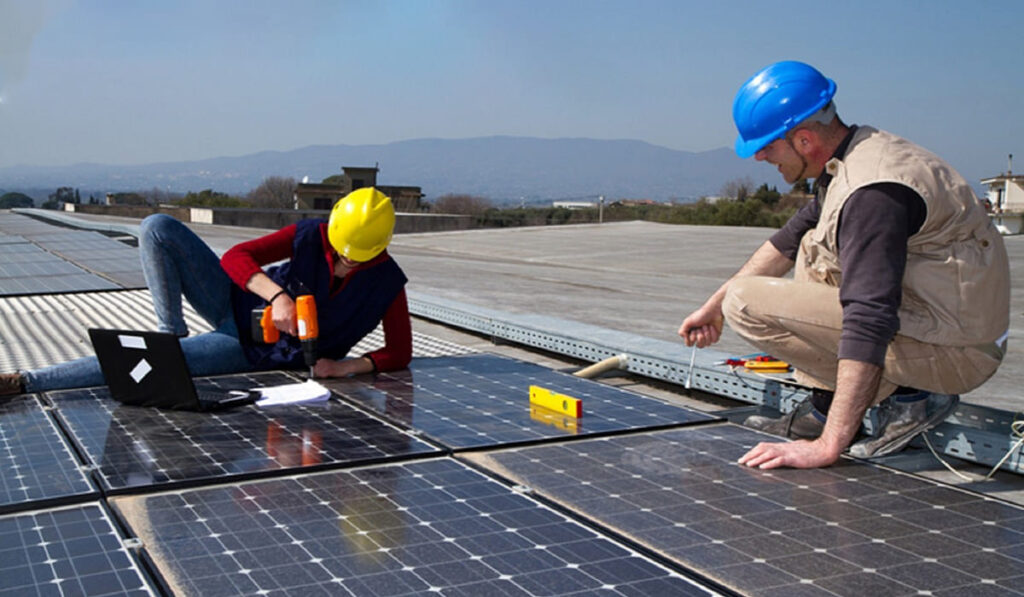
Residential Solar Panel Repair – Residential solar panels have grown in popularity over the past few years as more and more homes look for affordable and environmentally friendly energy options. Even though solar panels are noted for their longevity, repairs may be necessary due to normal wear and tear or unanticipated events. It is essential to know how to handle these problems if you want to keep your renewable energy source operating well. Common Residential Solar Panel Repair Issues Common residential solar panel repair issues in Australia often revolve around the inverter, which is the ‘brain’ of the system, due to malfunctions, overheating, or exhibiting error codes. A second major cause of under-performance is physical contamination, like the build-up of dust, dirt, or bird droppings, which block sunlight and are especially prevalent in the Australian climate. Other prevalent problems include faulty wiring and connections caused by poor installation, corrosion, or rodent damage, and micro-cracks in the panels themselves, which reduce efficiency and can be caused by rough handling or severe weather. Let us understand some of the common issues that you might face with residential solar energy systems. [Residential Solar Panel Repair] Damaged or defective solar panels Broken or damaged solar energy panels are one of the most frequent problems that homeowners deal with. Extreme weather, objects coming down, or even wear and tear over time might cause them. It’s critical to take immediate action if you see any obvious fractures or harm to your solar panels. Ignoring such problems may make them worse and produce less energy. To fix this, get in touch with a reputable solar energy system repair company to determine the degree of the damage. Small cracks may occasionally be filled to stop additional harm. Panel substitutes can be required for more serious problems to guarantee maximum power generation. Failures of inverters An essential part of every solar energy source is the inverter, which transforms the direct current (DC) produced by the solar cells into alternating current (AC) that may be used. Failures of the inverters might cause a large reduction in the generation of energy or possibly cause the system to become completely useless. Refer to the manufacturer’s handbook and look for messages of error on the display while addressing inverter problems. [Residential Solar Panel Repair] Seek the assistance of a qualified technician to identify, fix, or replace the inverter if the issue continues. Prompt action can save more issues from arising and guarantee that the panels on your roof keep working effectively. Bad Connectors and the wiring For a domestic rooftop solar power system to operate flawlessly, safe connections and efficient wiring are essential. Weather exposure can cause deterioration, unsecured connections, or broken wiring over time. You can find possible problems with the panel’s wiring by regularly inspecting it. It’s important to fix any weak connections or damaged wiring as soon as you find them. It is not advisable to attempt DIY repairs on electrical parts; instead, have a licensed electrician or solar panel expert diagnose and resolve any wiring issues. This guarantees the security of both your home’s renewable power system and its inhabitants. Popular Maintenance Tips for Solar Energy Systems Essential maintenance for Australian residential solar systems includes regular visual checks and monitoring of performance via the inverter’s app to promptly spot efficiency drops or error codes. Given Australia’s dusty conditions, panels should be cleaned with water and a soft brush at least once or twice a year to remove dirt, pollen, and bird droppings that cause shading and reduce output. Crucially, the inverter needs proper ventilation to prevent overheating in high temperatures, and the entire system should be professionally inspected by a licensed electrician every one to two years to check wiring, connections, and safety components. Let us explore some common maintenance tips that you must know as an owner of a residential solar PV system. [Residential Solar Panel Repair] Frequent Cleaning Periodic cleaning is a crucial part of solar system maintenance, even if it’s not a repair in and of itself. Dust, debris, or bird droppings left on the panels might lower their effectiveness. Maintaining ideal energy production can be facilitated by cleaning the panels with a hose or a soft brush. However, take care not to use anything harsh that might harm the surface. Locating hot spots Hot spots, or regions of the solar panel’s outermost layer that produce excessive heat, may be signs of a broken cell. During the day, use a thermometer with infrared wavelengths to locate any regions of the panels that are unusually hot. To avoid further harm to your solar panels, have a professional inspect and resolve any hot spots. While homeowners may handle some maintenance activities, other problems need to be handled by professionals. When choosing a company to perform repairs for solar panels, take into account the following: Expertise and licensure Select a repair company that has a track record of success and the necessary qualifications. Expert specialists are more likely to recognise problems early on and take effective action to fix them, extending the life of your solar power system. [Residential Solar Panel Repair] Citations and evaluations Before selecting a repair business, look through client testimonials and get references. Positive testimonies and comments from prior customers might offer insightful information about the professionalism and dependability of the product or service provider. Estimates of expenses Acquire comprehensive cost estimates from several repair services to guarantee pricing transparency. Significantly cheaper quotes should be avoided as they might suggest poor craftsmanship or the use of cheaper supplies. Offers and credibility A trustworthy solar panel repair company has to guarantee their labour and the new components they utilize. This guarantees your protection if problems arise soon after the repair. Note that a well-managed solar energy system lowers your carbon footprint and helps your home save money on electricity over the long run. In Conclusion : Ensuring the Longevity of Your Residential Solar System in Australia In summary, residential solar panel repair in
Which Type of Jinko Solar Panels should you Choose for Your Projects?
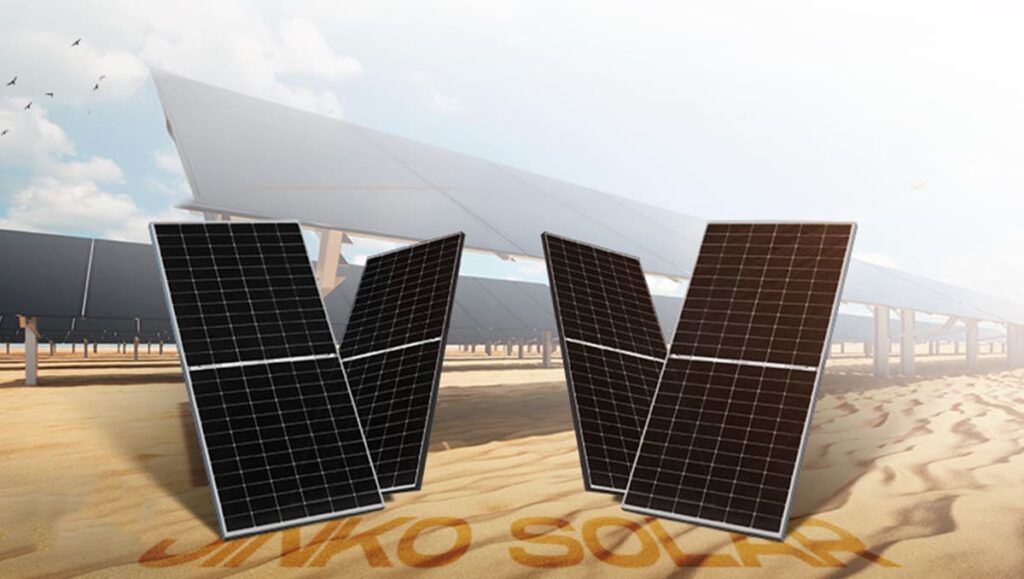
Solar power has become the industry leader in sustainable electricity generation as the world embraces renewable energy options. People are realising the importance of renewable sources of energy and are soon switching to them. Among the availability of so many solar panel manufacturers, Jinko solar panels have gained a place of their own. However, given the wide variety of goods they provide, selecting the best Jinko Solar panels for your projects might be challenging. Understanding the basics of Jinko Solar Panels Jinko Solar panels are highly popular in the Australian market, recognised for offering a strong balance of quality, efficiency, and competitive pricing. As a globally leading “Tier 1” manufacturer, Jinko has a strong local presence with a well-staffed Australian office that provides local support for its extensive product and performance warranties. Models like the Tiger Neo series are favoured for their high efficiency (often over 21%) and reliability in Australia’s diverse and often harsh climate, including high heat and strong winds. While often positioned as a budget-friendly option compared to premium brands, Jinko panels are considered a reliable choice for decades of cheap energy when installed by a reputable solar installer. Prior to getting too technical, it’s important to know the fundamentals of Jinko solar panels. The solar panel producer, Jinko Solar, is well-known throughout the world for its dedication to performance, quality, and innovation. The company manufactures a wide variety of solar panels, each tailored to unique project requirements and energy needs. Let us now explore what things to consider before you choose these panels for your residential or commercial purposes. Project Requirements Determining the needs of your project is the first step towards selecting the best Jinko solar panels. Take into account elements like the installation area’s size, the amount of sunshine that is accessible, and the required energy usage. You can choose the ideal panel for your project from a range of wattages and efficiency levels offered by Jinko Solar. Efficiency and Performance A key element that directly affects the quantity of energy produced is the efficiency of solar panels. High efficiency is a hallmark of Jinko solar panels, with some series surpassing 20%. Although more expensive, higher efficiency panels can be a smart investment in projects where space is at a premium or where maximising energy output is a top concern. Technology & Innovation To improve performance and longevity, Jinko Solar integrates modern technology into solar panels. Pay attention to features like half-cut cell design, multi-busbar technology, and PERC (Passivated Emitter Rear Cell) technology. These developments help to increase energy production and reliability, even under harsh environmental circumstances. Famous models of Jinko Solar Panels The Jinko Tiger Neo series is currently the most famous and widely recommended line in Australia, distinguished by its use of advanced N-type TOPCon cell technology. Within this series, the residential market highly favors models in the 440W to 475W range, often in an aesthetically pleasing all-black “Satin” design. These panels offer high efficiency (frequently over 22%) and come with an industry-leading 25-year product warranty and a 30-year performance warranty, making them a top choice for Australian homeowners seeking premium performance at a competitive price point. The older Tiger Pro series is also still popular for larger commercial and utility-scale projects due to its high-power output capabilities. Now that we have a fair idea of the things to consider while choosing this panels, let us now explore some of the famous models of Jinko Solar Panels. Cheetah Series Jinko Solar’s Cheetah series is renowned for its remarkable power production and great efficiency. Cheetah panels use innovative techniques like half-cell design and tiling ribbon to produce exceptional results even in low light. For large-scale utility and commercial applications where optimising energy production is essential, these panels are perfect. Tiger Series Jinko Solar’s dedication to expanding the frontiers of solar technology is embodied in the Tiger series. Tiger panels provide exceptional performance over an extended period of time due to their lower degradation rate and improved module efficiency. Due to the improved power output provided by the 182mm wafer design, these panels can be used for both residential and commercial purposes. Swan Series The Swan series prioritizes beauty without sacrificing effectiveness. Swan panels are very efficient and have a sleek all-black look. They are intended for use in home and small commercial installations. These panels are a great option for projects like residential rooftops where aesthetics are important. N-Type Series Jinko Solar’s N-Type series is a viable option for anyone looking for exceptional performance and durability. N-type monocrystalline cells are used in these panels; these cells are more efficient and have superior temperature stability than conventional P-type cells. Both high-efficiency household and commercial applications are appropriate for the N-Type series. Final thoughts Selecting the best Jinko solar panels for your needs requires carefully weighing the advantages that various series offer against your unique needs. Depending on your preferences, efficiency, style, or innovative technology, Jinko Solar offers panel series that are customised to fit your requirements. Seek advice from solar specialists, evaluate your budget, and take into account the local climate and sunshine circumstances before making a choice. You can make sure that the performance and sustainability of your solar installation not only meets but beyond expectations by considering these variables.
Is Trina Solar Panels The Best Option in Australia?
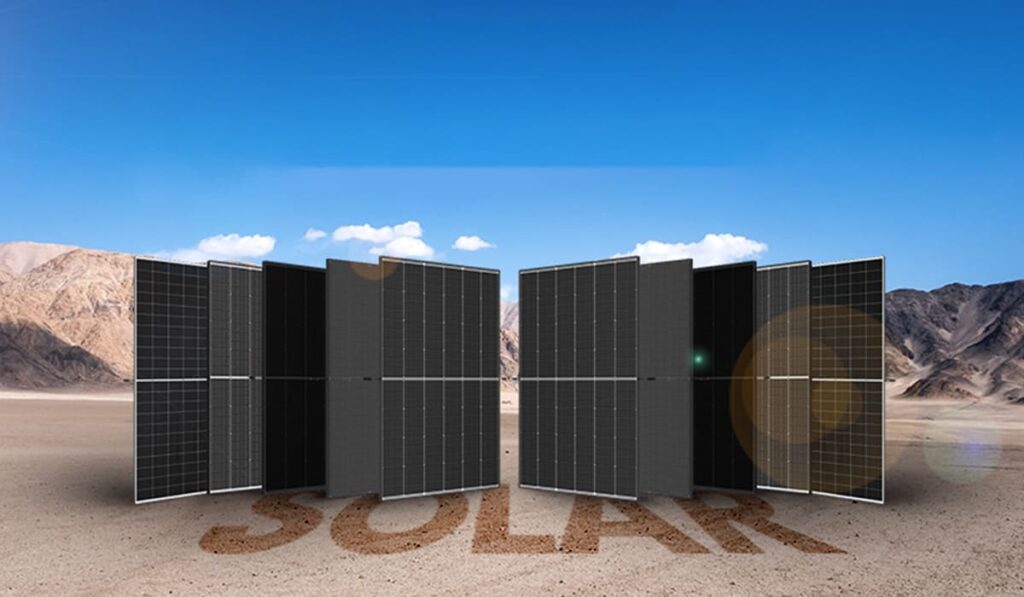
Choosing solar panels for your house or place of business is an important decision in the modern age, where sustainability and ecological issues are top priorities. Although Trina solar panels have received a lot of attention in the renewable energy sector, are they the best choice for your particular requirements? Let us find out. An introduction to Trina Solar Founded in 1997, Trina Solar is one of the world’s top suppliers of smart power solutions and photovoltaic (PV) modules. As a result of its reputation for producing high-quality rooftop solar panels, the firm has grown to become one of the solar industry’s most well-known brands. Since Trina Solar’s goods are utilized all over the world, it is a desirable option for anyone wishing to harvest solar energy. Benefits of using Trina Solar panels Let us explore what kind of advantages you will experience by choosing these solar PV modules. High Efficiency: Trina solar panels have a stellar reputation for efficiency. Independent efficiency testing shows them to be among the best performers on a regular basis. Due to their high efficiency, you can produce more electricity with less panels, which makes them an excellent option for places where roof space is at a premium. Dependability: When making an investment in solar panels, reliability is crucial. Trina solar panels are known for their dependability and sturdiness. Your investment will last for many years as they have been constructed to endure severe conditions, such as high snowfall and extremely cold temperatures. High-Tech: Trina Solar is dedicated to ongoing innovation. To introduce the newest solar technology to the market, they make significant investments in research and development. Their panels have advanced characteristics that improve complete panel performance, including half-cut cell technology and PERC (Passivated Emitter Rear Contact) technology. Warranty and Customer Service: Trina Solar provides outstanding service to customers along with a strong warranty. Their panels generally have a 25-year performance warranty, which guarantees the long-term protection of your investment. Furthermore, their customer service is renowned for being friendly and quick to respond, handling any problems or complaints. Global Presence: Trina Solar’s global reach offers clients comfort from coast to coast. You can depend on their goods and assistance being available to you wherever you are thanks to their extensive network of dealers and service centers. What are the factors to consider? Trina solar panels have several benefits, but before choosing one, you should take your unique situation into account. Cost Up Front: They may be more expensive at first than certain other products available. However it’s important to keep in mind that solar panels are an investment that pays off over time due to their superior efficiency and longevity compared to other solar panel brands. Available Roof Area: Take into account the area that your property offers for a roof. Although the high-efficiency Trina Solar panels might take up less space, you still need to make sure you have enough space to install as many panels as necessary to satisfy your energy needs. Local Climate and Environmental Conditions: Although these panels are designed to survive extreme weather, it’s still crucial to consider the local climate and environment. The resilience of Trina Solar panels becomes even more important if you reside in a region that frequently experiences extreme weather. Financial Incentives: Look into any local government rebates and financial incentives that may be offered for solar installation. With the help of these incentives, you may lower the overall cost of your solar panel system and increase the affordability of premium solutions like these solar PV modules. To sum up Trina Solar is without a doubt a top option if you’re thinking about installing solar panels on your house or place of business. It stands out in the market for renewable energy thanks to its dedication to performance, robustness, and innovation. The choice ultimately comes down to your personal requirements, financial situation, and geographic area. It is best to speak with a reputable solar installation who can evaluate your needs and make specific recommendations. Selecting solar panels means making an investment in a future that is sustainable and energy-efficient. Trina solar panels have shown to be a dependable and effective option for a large number of clients across the globe. Remember that the solution that best suits your individual needs and objectives is the greatest choice as you set out on your path towards sustainable energy. FAQs On Is Trina Solar Panels The Best Option in Australia? Q: Are Trina Solar panels of good quality? A: Yes, Trina Solar is commonly regarded as a consistent and well-established manufacturer. Their panels often rank among “top performers” in independent reliability tests, and many models come with long product and power-output warranties (often 25 years for product warranty). Q: Do Trina panels perform well in Australian climate conditions (heat, wind, humidity)? A: Generally, yes. Their modules are designed to handle conditions common in Australia. Trina’s panels are tested for durability under heat, humidity, wind, hail, and salt-mist (important for coastal areas). Moreover, some newer generations use modern cell technology that resists degradation and maintains sensible performance even under less-than-ideal conditions. Q: How efficient are Trina Solar panels compared to other brands? A: Trina’s newer panels, particularly the higher-end series, offer comparatively high efficiency, making them competitive among conventional solar module manufacturers. Their combination of attired efficiency, reliability, and value often gives homeowners a solid balance between cost and performance. Q: What about warranty, longevity, and long-term performance? A: Trina offers robust warranty coverage. Many of their panels come with a standard 25-year product warranty plus a long-term performance assurance (often specifying a minimum output percentage after 25 years). Independent testing suggests their panels degrade slowly over time, which supports long-term value and reliability. Q: Are there any drawbacks or things to watch out for? A: Yes, no brand is flawless. Some homeowners have reported issues when the installation quality was poor; even good panels under a bad installation can underperform. Also, while many