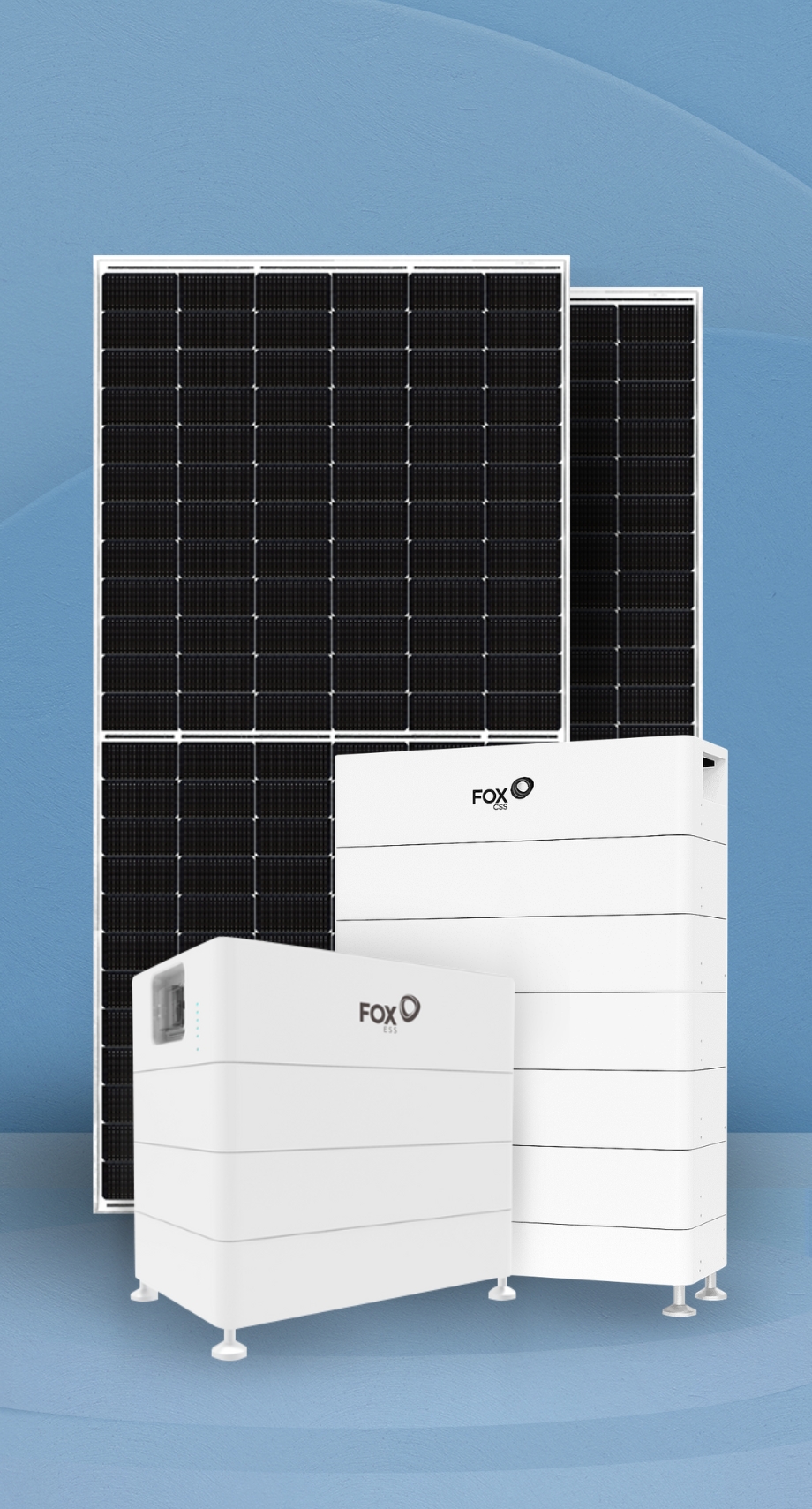
Best Commercial Solar Panels in Australia – All You Need to know

A lot of things are involved in running a business – from setting up, deciding on a location and even which software you are going to use. But there is one other thing you should pay more attention to – your roof, and if possible, install commercial solar panels for your business. Installing a commercial solar system will help you contribute to the environment while saving you thousands of dollars on your power bills. Find out all you need to know about installing panels on your commercial property. What Exactly are Commercial Solar Panels? Commercial solar systems are bigger in size than residential panels since the former often has more space to work with. However, this does not mean that you need to install more panels; in general, it has a larger generational capacity. A system size of 10 kilowatts (kW) or more often comes under the category of a commercial system. For commercial installations of solar panels, the sizes that are most preferred are 30kW Solar System, 100kW, or above 250kW. Commercial solar panels installation that is less than 30kW in size is quite easy to install as they follow the same instructions as residential solar panels. Anything above this size will require the assistance of a specialist. A solar system between the sizes of 30-100kW is perfect for local clubs, small retail businesses, and medium-sized buildings. Anything above 100kW is used by business owners with large office spaces, hotels, or medium-sized buildings. For Australian industries seeking highest performance and long-term reliability, selecting the right solar panels is decisive. The market is conquered by global Tier 1 manufacturers known for their financial stability and established product quality, which is important for commercial investments. Top-tier brands like Jinko Solar, Trina Solar, and LONGi are vastly favoured for commercial installations due to their high efficiency, outstanding performance in Australia’s hot climate, and strong, bankable warranties that secure decades of clean energy generation. What Makes Commercial Solar Panels So Popular? When selecting the best commercial solar panels in Australia, businesses must carefully weigh factors like energy efficiency, long-term reliability, comprehensive warranties, and overall cost. Premium manufacturers, such as SunPower (Maxeon) and REC Solar (Alpha series), are consistently rated among the top, primarily due to their industry-leading efficiency (often above 22%) and their provision of some of the strongest, longest-duration warranties available in the industry. For commercial operations seeking a balance of high performance and better value, Tier 1 brands like Jinko Solar (Tiger Neo) and LONGi are exceptionally popular, delivering excellent efficiency and reliability at a more competitive price point. Ultimately, the harsh Australian climate necessitates prioritizing panels with low degradation rates and robust temperature coefficients to ensure sustained, high-level energy production throughout the operational life of the solar system. Rebates on Commercial Solar Panels Currently, there are two kinds of rebates available upon installing commercial solar: Small-Scale Technology Certificates (STCs) and Large-Scale Generation Certificates (LGCs). STCs or Small-Scale Technology Certificates are applicable for commercial solar systems under 100kW. LGCs or Large-Scale Generation Certificates need to be claimed every year by submitting a report to the REC (Renewable Energy Certificates). Just like you claim taxes, a rebate of this kind is only applicable to the solar system with a size of more than 100kW. All the relevant details must be submitted to the authorities to claim this rebate. How much do you need to Invest in Commercial Solar? The approximate amount that you need to invest to install panels on your commercial building will depend on the size of your system, your location, the brand chosen by you, and the rebates that you are eligible for. However, if put in simple words, you need to remember that you will require a large investment. As per the latest trends, you can expect to pay somewhere around $89,000 for a 100kW solar system in Australia including GST. Interestingly, smaller systems cost significantly less, with 30kW systems costing somewhere around $28,000, and 50kW systems costing approximately $50,000. Is it worth getting Commercial Panel Installation? Solar has been a hot topic for many years as it offers so many benefits to people who are looking to invest in something which will give them savings as well as contribute towards the environment. The question of whether you should get solar panels for your business entirely depends on your budget, location, as well as your solar exposure. You can get in touch with us today to get the best consultation and installation services for your commercial building. In Conclusion : Switching to commercial solar panels isn’t just a business decision, it’s a smart, human one. We all know how frustrating it is to get hit with those high electricity bills, and solar offers a real way out. It’s like putting a cap on your energy costs, giving you the kind of financial peace of mind that lets you focus on what really matters: growing your business and taking care of your people. Beyond the savings, there’s a genuine pride that comes with going solar. It shows your customers, employees, and community that you care about more than just the bottom line. You’re committed to a better, cleaner future for everyone. When you choose a quality system with a solid warranty, you’re not just buying panels; you’re investing in long-term reliability and taking a big step toward energy independence. It’s a move that feels good and makes good business sense, creating a win-win for both your company and the planet.
What are the Advantages of Solar Energy?

Solar energy, the most powerful and the most studied, has been our primary source of energy since the very beginning of time. Various renewable sources share the benefit of solar energy, such as the ability to save our planet from climate change and reduce our carbon footprint. But what sets solar energy apart from other renewable sources, such as wind, hydroelectric, or geothermal energy? Let us discover today! In a world increasingly focused on sustainability and economic efficiency, solar energy stands out as a powerful and indispensable resource. Harnessing the sun’s abundant power isn’t just a trend; it’s a smart, long-term solution for a brighter future. From individual households to large corporations, the advantages of going solar are transformative. Why is Solar Energy So Beneficial For Us? Beyond its environmental benefits, solar is also a powerful economic tool, translating into direct cost savings for consumers and broader financial advantages for nations. For households and businesses, producing your own electricity from the sun means significantly lower—or even eliminated—monthly utility bills, which frees up disposable income for other expenses or investments. While there is an upfront installation cost, the lifespan of solar panels (often 25-30 years) ensures a strong return on investment (ROI), as the energy savings quickly offset the initial expense. Moreover, homes and commercial buildings with owned solar installations are highly valued and often sell faster and at a higher premium, making solar a significant property upgrade. Because solar power is generated locally and freely, consumers are insulated from fluctuating market prices of fossil fuels, providing predictable and secure energy costs for decades. On a larger scale, the growing solar industry is a major economic driver, creating jobs in manufacturing, engineering, installation, and maintenance at a faster rate than many other sectors. Solar energy, a renewable energy source, offers a variety of benefits. Advantages of Solar Energy Renewable and inexhaustible While it is true that in four to five billion years, the yellow dwarf that gives the name to our solar system will diminish, however, in a time period that is more relatable for us, the sun is an inexhaustible source of energy. In addition to being renewable and inexhaustible, our earth receives an abundant supply of energy from the sun. That being said, only 6% of solar energy can fulfill the entire energy needs of humans. Every place on the earth receives sunlight While this fact may seem quite trivial, the fact that every single place on Earth receives solar energy has two benefits – Firstly, rural places with no modern infrastructure can utilize this source of power. Secondly, installing a solar power system helps save money on our electricity bills. A solar energy installation converts the energy of the sun into electricity, thus helping you in two ways – give your contribution towards saving our earth and save thousands of bucks on your power bills! Solar energy helps in creating local jobs Many countries just like Australia are now taking full advantage of the sun and its power. The technological developments in the solar panels industry have led to the creation of various job profiles, such as builders, developers, maintenance experts, and installers. It has been estimated that by 2050, the number of jobs in the solar energy industry will reach 22 million across the globe. Negligible maintenance needed Solar energy companies usually provide a guarantee of 20-25 years for their solar panels. In this timeframe, very little maintenance is required for the solar panels to remain efficient. Apart from the usual cleaning required once in a few years, it takes very little maintenance to keep the solar panels working for such a long period of time. Green until the very end Installing a solar power system is an extremely practical decision. The reason is that it not only helps in saving electricity costs, but it is also quite easy to install, remove, or replace them. The materials used to manufacture them can be recycled, reclaimed, and reused, further diminishing the chance of any negative impact of this renewable source of energy. Thus, we can say that using solar energy comes with its own set of benefits, and its future also seems quite rosy. Goal Solar has partnered with the leading solar panel manufacturers in Australia to give you the best consultation and installation services. Get in touch with our team today! Finally, solar energy contributes to a more stable and resilient society by decentralizing power production. Solar installations allow nations, communities, and individuals to become less reliant on imported energy sources and vulnerable power grids, which enhances national energy security and minimizes exposure to geopolitical instability. Crucially, when paired with a battery storage system, solar power continues to work even if the main utility grid goes down during a natural disaster or power outage, providing critical energy resilience for essential services and homes. Solar’s modular and scalable nature also makes it ideal for delivering electricity to remote, rural, or developing regions that are difficult or too costly to connect to a traditional central power grid, thereby promoting greater energy equity. In Conclusion : In summary, the advantages of solar energy are comprehensive and far-reaching, making it a compelling choice for our modern world. It offers a powerful combination of financial savings, environmental responsibility, and energy independence. By harnessing the sun’s abundant and inexhaustible power, we can significantly reduce our electricity bills and enjoy a low-maintenance, reliable source of power. Beyond the personal benefits, the widespread adoption of solar energy is a crucial step toward a sustainable future. It helps to drastically cut greenhouse gas emissions, reduce our reliance on finite fossil fuels, and lessen our overall environmental footprint. As technology continues to advance, solar power is becoming more efficient and affordable, paving the way for a cleaner, more secure energy system for all.
The Best Ways To Save Money With Solar Energy

People have to spend more money on heating, lighting, and powering their homes using conventional energy sources. There’s undoubtedly a best and easiest way to save money with solar energy if this sounds like you. Power costs can be reduced in the long run by having the best solar energy provider help in installing a solar system. Costs can be reduced due to solar power. When considering whether or not to install a solar power system, you may wonder if doing so is feasible or desirable. In other words, we’ll lend a hand. You have now made the decision to make the most of your Solar power system. Follow these five simple steps to maximise the effectiveness of your solar energy system. Think of your solar panels as your personal power plant, you’re in control! To really see the savings, you’ve got to become a “daytime user.” That means running your washing machine, charging your electric car, or even just doing some heavy-duty cooking while the sun is shining bright. It’s about being smart with the energy you’re making for free. If you get a battery, you can save that sunlight for a rainy day (or a dark evening), so you’re not paying a dime. Ultimately, it’s about making a few simple tweaks to your routine to get the most out of your investment and watch those power bills shrink. Ways To Save Money With Solar Energy The key to maximising your savings with solar panels is a strategy called self-consumption, which means using the electricity the moment it’s generated. You can achieve this by consciously shifting your habits to run energy-hungry appliances, such as your washing machine, dishwasher, or pool pump, during the sunniest hours, typically between 10 a.m. and 3 p.m. For energy needs after dark, adding a solar battery allows you to store your excess daytime power so you can use your own free electricity at night instead of purchasing expensive grid power. Finally, you should regularly monitor and maintain your system by using its dedicated app to track production and keep your panels clean to ensure they always generate maximum power. 1. Turn on your home’s electrical devices during the day Even though it’s common sense, not everyone takes use of the daytime. When the sun is shining, you can put your solar panels to excellent use by turning on high-energy-consumption appliances like the dishwasher, dryer, and washing machine. Right now, you can use all the power you want without worrying about the bill. 2. The afternoon heat or cold It is possible to harness the power of the sun, which does not cost anything, to either heat or cool your house during the last few hours of daylight. If you want to save money on your utility bills, turn down the heat or turn off the air conditioner in the evening. 3. Make your electricity consumption more spaced out It’s best to space out your usage throughout the day. It’s OK to start running the washer at eleven o’clock in the morning and the dryer at noon. This prevents you from utilizing more power than your solar panels can provide, which would force your home to draw power from the grid and increase your electricity bill. Making your electricity consumption more spaced out involves staggering the use of high-power appliances to avoid creating large peaks in energy demand. Instead of running the dishwasher, washing machine, and clothes dryer simultaneously, you should operate them at different times, especially outside of peak hours (like late afternoon and early evening). This strategy is effective for reducing your overall energy costs, particularly if you are on a time-of-use (TOU) tariff where electricity is more expensive during high-demand periods. 4. Make sure there is enough light and there is no trash suring adequate lighting and maintaining a clean, trash-free environment are fundamental for both safety and well-being. Sufficient light prevents accidents, enhances visibility for tasks, and contributes to a feeling of security, especially in shared or public spaces. Simultaneously, the prompt removal of trash and waste is crucial for hygiene, preventing pests, and preserving the aesthetic appeal of an area. Together, these practices create a functional, welcoming, and safe space, whether it’s an office, a home, or an outdoor area. You should cut trees and keep your solar panels in good working order to avoid issues caused by shade. Shade has a negative effect on the system’s efficiency. 5. Energy-efficient devices Using energy-efficient devices in Australia is a key strategy for reducing both household running costs and the nation’s environmental footprint. Appliances with higher star ratings on the Energy Rating Label consume significantly less electricity, leading to lower energy bills and less demand on the power grid. The Australian government encourages this shift through the Equipment Energy Efficiency (E3) Program and various rebates, as increased efficiency helps cut greenhouse gas emissions and move the country towards a more sustainable energy future. To reduce your evening energy use and costs, consider upgrading to more energy-efficient LED lighting and appliances. In Conclusion : Making the switch to solar energy is a big step, but it’s one that offers a clear path to saving money and gaining greater control over your energy use. The most effective way to maximize your savings is to become a savvy energy consumer, prioritizing daytime use and investing in battery storage to capture and use every bit of the free power you generate. Beyond smart consumption, it’s also crucial to leverage the financial tools available to you. From government tax credits and rebates that significantly reduce upfront costs to net metering programs that pay you for excess energy, these incentives turn solar from a long-term investment into a source of immediate and ongoing savings. By combining strategic energy habits with smart financial decisions, you can ensure your solar system delivers a powerful return on investment for years to come.
Residential Solar Panels: Should You Buy Them In Australia?

Residential Solar panels are worth buying in Australian states, irrespective of electricity use. Residential Solar Panels are a smart investment in Australia, even though numerous factors affect their cost, savings, and payback. These residential Solar systems often pay for themselves in 5–6 years, sometimes in 4 years as well. Good Residential solar systems will save you 25 years if you choose wisely. Residential solar panels are a compelling investment in Australia because they leverage abundant sunshine to provide substantial savings on high electricity bills, offer long-term financial security against rising energy costs, are supported by generous government incentives, and simultaneously increase your home’s value while reducing your environmental impact. In 2025, Australia will remain one of the most financially viable places in the world to install residential solar. With electricity prices rising and the cost of solar technology stabilising, most households can expect a full return on their investment in 3 to 6 years. Why Should You Invest in Residential Solar Panels? Here are a few key reasons why buying residential solar panels in Australia is a smart choice: Significant Bill Savings: With high electricity prices and abundant sunshine, generating your own power drastically cuts your quarterly energy bills. Protection Against Rising Costs: Solar offers energy independence, shielding your household from future electricity price hikes. Government Incentives: Federal and state rebates (like the Small-scale Technology Certificates or state-specific programs) provide a substantial upfront discount, making the investment more affordable. Boost Your Home’s Value: Homes with existing solar systems are often more attractive to buyers and can command a higher resale value. Reduce Your Carbon Footprint: By using clean, renewable energy, you actively contribute to a greener Australia and help lower greenhouse gas emissions. Let’s all go solar together! Solar panels reduce carbon emissions and electricity costs. Why not now? Australians should switch to solar power right away. Australia benefits from solar panels for five reasons. Demand for residential solar in Australia remains at historic highs, with over 4.2 million homes, roughly one in three now equipped with solar panels as of late 2025. While the pure volume of new panel installations has stabilized, the total capacity being added continues to rise as consumers shift toward much larger systems, with the average residential installation now exceeding 10kW. Forget those enormous, outrageous electricity bills, it’s time to take control! Investing in solar panels for your Australian home is the cleverest move you can make right now. You’ll be using our boundless Aussie sunshine to produce your own clean, free power, which can decrease your energy costs by well over a thousand dollars a year. Not only do you future-proof your budget in contradiction of rising power prices, but homes with solar panels also sell quicker and for more money, promptly boosting your property value. It’s a win-win for your wallet and the planet! Solar Panels are Cheaper Now Solar panel installation or residential solar panel repair has become much cheaper for Australian homeowners. Since 2009, residential rooftop solar PV system installation costs have dropped by 50%. Solar power conversions should be motivated by this. Thus, now is the right time to go solar. Solar Power Grows UK Economy and Jobs Solar power boosts our economy. More individuals are going solar means more companies are installing solar panels. This adds skilled jobs and boosts the economy. In 2015, the UK was the largest solar photovoltaic (PV) panel installation market and the second-largest solar employer with 35,000 jobs. Australia Receives the Greatest Sunlight Worldwide Australia, often dubbed “the sunniest continent,” receives some of the highest levels of solar radiation (insolation) in the world, particularly across its vast arid inland regions. This exceptional resource is primarily due to its geographic position, with a significant portion of the country lying under the Tropic of Capricorn and experiencing clear atmospheric conditions. This intense, reliable sunlight makes Australia a world leader in per capita solar uptake and gives it enormous, yet still largely untapped, potential for large-scale solar energy generation. Australia gets the most sunlight. These solar systems in Australia will absorb more sunlight and generate more electricity. Due to the significant amount of the sun, solar panels mostly degrade due to regular wear and tear from UV radiation and weather. Residential solar systems in Australia are a good idea because they generate a lot of electricity from the sun. Solar saves Money over time Solar power saves you money over time by turning your roof into a long-term investment. While there is a preliminary upfront cost to install the system, those expenses are swiftly offset by the huge reduction in your monthly electricity bills. Every unit of energy your panels produce is a unit you don’t have to purchase from your utility company, protecting you from ever-increasing energy prices. Solar saves money over time. Residential solar systems on your roof reduce electricity costs. Installing residential solar panels requires a one-time charge. But it’s a one-time expenditure, and you’ll save more. Solar Panels are Eco-friendly Solar energy can help your business reduce fossil fuel pollution. Reduce your carbon footprint, improve the environment, and accomplish your Corporate Social Responsibility (CSR) goals. This makes you more appealing to clients, partners, and investors as a Green business. Easy Installing residential solar panels in Australia Finding a suitable solar panel installer for installing residential solar panels in Australia shouldn’t be too tricky, as there are several ‘Clean Energy Council Approved Solar Retailers in the market right now. If you go to the website of the Clean Energy Council, you will see a list of approved retailers in your state. In their advertising, solar power companies approved to sell their products can use a logo that says “Clean Energy Council Approved Solar Retailer.” Before entering into any agreements with the Clean Energy Council to install or repair residential solar panels, it is crucial to check their website to ensure they have the appropriate accreditation. If you are facing any issues, we will assist you in locating
Which Solar Panels are Right for Your Home?

The usage of solar panels on rooftops has increased significantly in the last decade as residential solar power has gained in popularity as an investment. As a result of the pressing need to cut emissions in the face of global climate change, homes and companies across the country are switching from a fossil fuel electrical grid to a clean energy economy. During this time of energy reform, installing the best solar panels on rooftops has taken off at an incredible rate. It’s high time we, as Solar Panel Companies, give rooftop solar the importance it deserves. For optimal power output in limited space, monocrystalline panels are the right choice due to their high efficiency, while polycrystalline panels offer a more budget-friendly option for homes with ample roof area, with the best choice always coming from a Tier 1 manufacturer offering strong, long-term warranties. Factors You Should Consider When Choosing a Solar Panel Brand? The most crucial factors when choosing a solar panel brand go beyond the price, focusing on long-term reliability, performance, and financial security. Warranty & Bankability (Tier 1 Status): Look for a strong 25-year performance warranty and a robust product warranty (15+ years), ensuring the manufacturer has the financial stability (often indicated by a BloombergNEF Tier 1 status) to honour the claim decades down the line. Efficiency & Degradation: Check the panel’s efficiency rating (20%+ is excellent) to maximise power generation from your roof space, and review the annual degradation rate (ideally less than 0.5% per year) to ensure high output for the system’s entire lifespan. Local Support & Proven Durability: Choose brands with a strong track record in your country or region that have proven their durability against local climate extremes (heat, hail, salt air) and that offer accessible local support for faster warranty service. The first step in deciding which Solar Panels are ideal for your house or the best solar panel is to get familiar with the options available and choose how many solar panels you want to be installed. There are three main types of solar panels for homes. • Monocrystalline Monocrystalline solar panels are high-efficiency panels crafted from a single, pure silicon crystal, which allows electrons to flow more easily and consistently. They are known for their sleek, uniform black appearance and their ability to generate the most power per square foot (often 20-22% efficiency), making them the ideal choice for homeowners with limited roof space. While having a higher initial cost due to their complex manufacturing, Monocrystalline panels typically offer superior performance in hotter conditions and boast a longer lifespan and better low-light performance compared to other standard panel types. • Polycrystalline Polycrystalline solar panels are easily recognizable by their blue, speckled appearance and are made from silicon fragments melted together, resulting in multiple crystals within a single cell. These panels are the most budget-friendly option, offering a lower initial investment compared to monocrystalline panels, making them highly popular for large-scale installations or homes with ample roof space. While slightly less efficient (typically 15-17% efficiency) and performing less optimally in extreme heat, polycrystalline panels still provide a reliable and cost-effective way to generate clean energy and achieve a solid return on investment. • Thin-film structures – all fall within this category. Thin-film solar cells are a type of photovoltaic technology made by depositing one or more ultra-thin layers of light-absorbing material—such as Cadmium Telluride (CdTe) or Copper Indium Gallium Selenide (CIGS)—onto a flexible substrate like glass, plastic, or metal. They are prized for being lightweight, flexible, and aesthetic, allowing for integration into curved surfaces, windows, and building facades (Building-Integrated Photovoltaics). While they typically have lower efficiency than traditional crystalline silicon panels, their lower manufacturing cost and better performance in low-light or high-heat conditions make them a cost-effective choice for large utility-scale projects and niche applications where flexibility is key. Solar roofing shingles, a fourth possibility, are a more recent and costly technology, but they are an appropriate (and appealing) option for people who can afford the upfront fees. Which Solar Panel Technology Is Ideal? Although monocrystalline solar panels are the most costly per watt, their high solar efficiency of 20% and beyond has made them the most fantastic solar panel type. It is recommended that homeowners choose monocrystalline solar panels. As the best solar panel suppliers, we suggest getting a system with a more understated look without compromising performance or durability for a somewhat higher price. The long-term cost reductions provided by monocrystalline panels’ superior efficiency and power output ratings are more significant as an additional benefit. Polycrystalline panels may be the best option if your budget is low. In that case, we advise against thin-film models since their performance and durability don’t justify their low price tag. You can see some of the best solar panels with their overview and can easily select the best one suited to your requirement. 1. Jinko solar panel Regarding solar modules, Jinko Solar panel (NYSE: JKS) is among the world’s largest and most innovative Solar Panel Companies. It Solar has a wide variety of utility, commercial, and residential customers worldwide that it serves with its solar products, solutions, and services. 2. Trina solar panel Trina Solar Panel is one of the world’s largest vertically integrated solar manufacturers, recognized for its inexpensive and durable panels. It has become one of the pioneers in innovation, as seen by the new series of panels, which use the latest solar cell technology and rival the efficiency of premium manufacturers. 3. SunPower solar panel SunPower Solar Panels are a high-end Solar Company with the highest efficiency panels. That panels cost more than rivals’. Competitors can’t match SunPower’s lifespan and performance. Some experts say SunPower isn’t worth the investment, but each household may decide for itself. 4. Q Cells solar panel It was founded in Germany. They’re one of the world’s largest solar panel producers, offering modules for all-scale installations. Q Cells Solar Panel is the safest Panels manufacturer and has served Australia longer than any other manufacturer since