Introduction to Solar Batteries in Australia
Solar batteries are transforming the way Australian homeowners use and store solar energy. Instead of sending idle solar power back to the grid, a battery lets you store that energy for use at night or during peak demand times.
In a country like Australia, where electricity prices are high and sunny days are plenteous, a quality solar battery isn’t just a pleasant count, it can be a smart financial and environmental choice.
As more families look to become energy independent, choosing the right solar battery becomes vital. This article guides you through the top solar battery options available in Australia today, what to look for, and how to select a system that suits your home and lifestyle.
Why Solar Batteries Matter for Australian Homes?
Rising Electricity Costs
Electricity prices in Australia have been progressively increasing over the years. Installing a solar battery can benefit decrease dependence on the grid and cut monthly energy bills. Instead of buying electricity at high peak rates from the grid, you can use stored solar power during those expensive periods.
Energy Independence & Reliability
With a solar battery, homeowners can store additional solar energy generated during the day and use it when desirable, particularly at night. This is chiefly beneficial in remote areas or during outages, offering superior energy independence.
Environmental Impact
By storing and using more of your own solar energy, you decrease your support on fossil-fuel-based electricity. This cuts greenhouse gas emissions and helps contribute to a cleaner, more sustainable Australia.
Key Factors to Consider When Choosing a Solar Battery
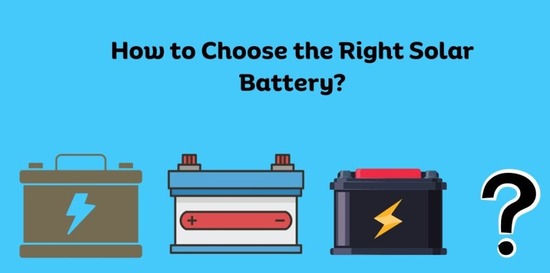
When choosing a solar battery, you must look beyond just the price tag and emphasise the technical specifications that determine long-term value and reliability.
Before diving into detailed brands and models, here are critical factors to guide your decision:
Battery Capacity (kWh)
Battery capacity indicates how much energy a battery can store. Larger capacity means more stored energy, but also higher cost. Typical home batteries range between 5 kWh to 20 kWh.
Depth of Discharge (DoD)
DoD represents the percentage of a battery’s capacity that can be used without shortening its life. A higher DoD (e.g., 90%) means you can use more of the stored energy.
Round-Trip Efficiency
This measure shows how much energy you get back compared to what you store. Higher efficiency (over 90%) means less energy is lost during charging and discharging.
Warranty & Lifespan
Look for batteries with robust warranties (10 years or more) and clear performance guarantees. A good warranty can save money over the life of the system.
Cost and Value
Ponder not just the upfront cost but the total value over time, factoring in energy savings, warranty, and lifespan.
Warranty and Throughput
Look for a warranty that covers at least 10 years or a precise throughput (the total amount of energy the battery is certain to deliver over its life). Ensure the manufacturer assurances at least 70% capacity retention at the end of the warranty period.
Summary Comparison
| Feature | Lead-Acid | Lithium (LFP/NMC) |
| Lifespan | 3–5 years | 10–15 years |
| Usable Capacity (DoD) | ~50% | 80% – 100% |
| Efficiency | 70% – 80% | 90% – 95% |
| Maintenance | High (Watering/Venting) | Minimal (Software/Cleaning) |
Top Solar Batteries for Australian Homes in 2026
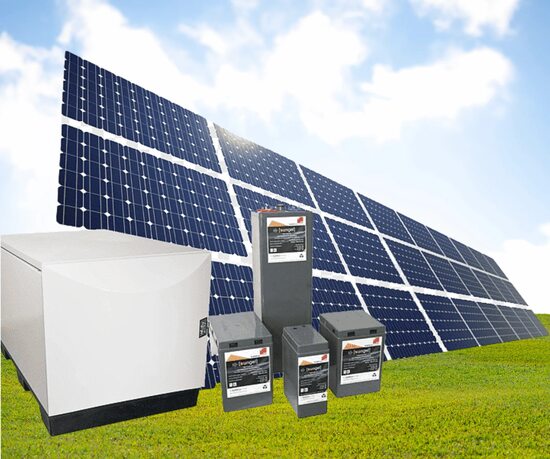
Here are some of the best solar batteries for Australian homes, based on performance, reliability, and popularity:
The Tesla Powerwall 3 is one of the most talked-about solar batteries worldwide. It offers high capacity, seamless app integration, and strong backup capabilities. Its sleek design and excellent performance data make it a premium choice for Australian homes.
-
LG Chem RESU
LG’s RESU batteries are compact, reliable, and compatible with many inverters. They’re known for solid performance and long service life, making them a popular choice for many installations.
-
Sonnen Eco
The Sonnen Eco system focuses on energy efficiency and smart energy management. It’s ideal for homeowners who want advanced control over how and when their energy is used.
-
BYD Battery-Box
BYD offers modular solar batteries that can be scaled to fit different household needs. They’re robust, efficient, and ideal for larger homes or families with higher energy demands.
-
Redback Smart Battery
Redback’s battery solution pairs well with intelligent energy management and seamless integration. Its smart features optimize energy use based on patterns and schedules.
-
Enphase Encharge
Enphase’s modular batteries are known for reliability and easy integration with microinverter-based solar systems. They offer flexibility if you plan to expand your solar system over time.
Comparison of Recommended Solar Batteries
Here’s a quick overview to help compare the top models:
| Model | Approx. Capacity | Efficiency | Warranty | Best For |
| Tesla Powerwall 3 | ~13.5 kWh | ~90%+ | 10 yrs | High performance, backup |
| LG Chem RESU | 6.5–16 kWh | ~95% | 10 yrs | Compact reliability |
| Sonnen Eco | 10–20 kWh | ~90% | 10 yrs | Smart energy optimisation |
| BYD Battery-Box | Modular (5–20+ kWh) | ~95% | 10 yrs | Scalable systems |
| Redback Smart Battery | ~10 kWh | ~90% | 10 yrs | Smart integration |
| Enphase Encharge | Modular | ~96% | 10 yrs | Microinverter systems |
How to Size a Solar Battery for Your Home
To size a solar battery for your home, you must first calculate your daily energy consumption by reviewing your utility bills or conducting a “load audit” of essential appliances.
The perfect capacity depends on whether you want a partial backup for critical items like lights and refrigerators or a whole-home solution that covers high-demand loads like air conditioning.
A common rule of thumb is to size your battery to cover roughly 50% to 100% of your daily energy usage, adding a 20% buffer to account for system inefficiencies and temperature fluctuations.
Assessing Your Energy Consumption
Start by checking your electricity usage over the past 12 months. Your energy bill will show monthly kWh usage.
Matching Solar Generation with Battery Size
Look at how much electricity your solar panels produce daily. The goal is to size the battery so it stores excess power efficiently without oversizing.
Future-Proofing Your System
Consider future energy needs, like adding an EV charger or new appliances. Choose a battery that can grow with your home’s demands.
Solar Battery Installation and Maintenance Tips
Proper installation and consistent maintenance are the keys to ensuring your solar battery lasts its full rated lifespan, which is typically 10 to 15 years for lithium-ion systems.
Installation Best Practices
- Climate Control: Install the battery in a cool, dry location like a garage or utility room. Extreme heat accelerates chemical degradation, while extreme cold can temporarily reduce capacity.
- Adequate Ventilation: Ensure there is at least 6–12 inches of clearance around the unit. Batteries generate heat during charge cycles, and proper airflow prevents overheating.
- Fireproof Mounting: Secure the battery to a non-combustible surface (like concrete or masonry) and follow local fire codes regarding “clearance to combustibles.”
- Professional Wiring: Use a certified installer to ensure correct grounding and to integrate a Battery Management System (BMS), which protects against overcharging and short circuits.
Maintenance Tips for Longevity
- Monitor State of Charge (SoC): For lithium batteries, try to keep the charge level between 20% and 80% for daily use. Constantly hitting 0% or staying at 100% can stress the cells.
- Visual Inspections: Every six months, check for “bulging,” leaks, or loose cables. Dust the exterior to prevent debris from blocking cooling vents.
- Terminal Care: If you use lead-acid batteries, check for corrosion (white/green powder) on terminals and clean them with a baking soda and water solution. Lithium batteries are usually sealed and maintenance-free in this regard.
- Software Updates: If your system is “smart,” check the manufacturer’s app regularly for firmware updates that can optimize charging algorithms and improve safety.
Maintenance Checklist
| Frequency | Task |
| Monthly | Check the mobile app for alerts or unusual discharge patterns. |
| Bi-Annually | Inspect physical connections and clear dust from vents. |
| Annually | Schedule a professional inspection to verify the health of the inverter and BMS. |
Choosing a Certified Solar Installer
Always use a Clean Energy Council-accredited installer. Proper installation ensures safety and system performance.
Maintenance Best Practices
Solar batteries require minimal maintenance. Regular checks and keeping the system clean and shaded will help it last longer.
Financial Incentives in Australia
Government Rebates & Programs
Many states offer rebates to reduce the cost of battery installations, check local incentives to save money.
Feed-in Tariffs & Savings
Some regions offer feed-in tariffs for energy exported to the grid. Combining solar panels with batteries helps maximise these benefits.
Frequently Asked Questions (FAQs)
-
What size battery do I need for a typical Australian home?
Sizing depends on household energy use, but many homes find 10–15 kWh sufficient.
-
Can solar batteries power my home during a blackout?
Yes, if the battery and inverter are set up with backup functionality.
-
How long do solar batteries last?
Most batteries have a 10-year warranty, with actual life often longer depending on use.
-
Are solar batteries worth the investment in Australia?
With rising electricity prices and incentives, many homeowners see strong long-term value.
-
Can I add a battery to an existing solar system?
Yes, most systems can be retrofitted with a battery if compatible.
-
Do solar batteries require a lot of maintenance?
No, solar batteries are low-maintenance. Basic checks and occasional cleaning are usually enough.
In Conclusion :
Choosing the right solar battery for your home in Australia means balancing capacity, efficiency, warranty, and price. Models like the Tesla Powerwall 3, LG Chem RESU, and Sonnen Eco stand out for performance and reliability, but the best choice depends on your home’s energy needs.
By understanding key features and sizing your battery correctly, you can enjoy lower electricity bills, greater energy independence, and a smaller carbon footprint, all while making a smart investment in your home’s energy future.